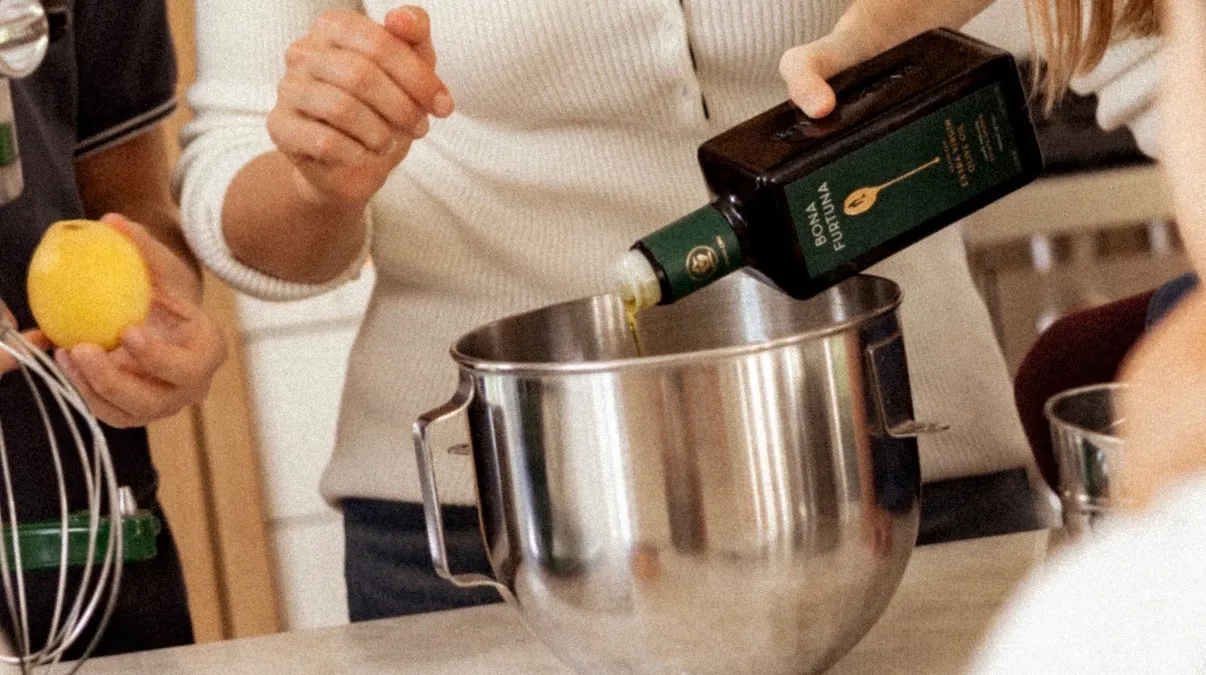
Agatha Relota Luczo, founder and creative director of luxury accessories brand Alaïa, has stepped into the culinary spotlight with a collection of recipes featuring extra virgin olive oil sourced directly from her personal farm. The move marks an unexpected but deliberate pivot for the industry veteran, who has built her reputation on meticulous craftsmanship in leather goods and design innovation.
The recipes, shared through her growing platform, emphasize wellness and ingredient transparency. Blueberry muffins and cottage cheese pancakes anchor the collection, each formulated to highlight the nutritional properties of premium olive oil rather than traditional cooking fats. This approach reflects a broader luxury lifestyle trend where tastemakers extend their brand authority beyond their core business into adjacent wellness and food categories.
Luczo's entry into food publishing arrives at a moment when luxury figures increasingly monetize their personal lives and philosophies. Similar to how designers from Ralph Lauren to Giorgio Armani have long positioned themselves as lifestyle arbiters, Luczo leverages her design credentials and personal brand equity to establish authority in the culinary space. Her farm-to-table positioning carries particular weight given the direct sourcing narrative. Many high-net-worth individuals now operate private agricultural operations, transforming them into content drivers and product lines.
The olive oil itself becomes both ingredient and brand extension. Sourcing from her own farm eliminates supply chain opacity and allows Luczo to control the entire narrative around production, harvest timing, and varietal selection. This vertical integration strategy echoes luxury fashion's movement toward direct manufacturing and transparency initiatives. Consumers paying premium prices for Alaïa goods now receive the same promise applied to cooking oil.
From a business perspective, the recipe collection functions as multi-layered content marketing. It drives engagement across social platforms, positions Luczo as a lifestyle authority, and creates natural touchpoints for potential product launches. A consumer brand selling Luczo-branded olive oil would face minimal friction given her existing customer base and brand loyalty within luxury circles.
The wellness angle cannot be overlooked. Health-conscious luxury consumers, typically affluent and educated about nutrition, respond to messaging around extra virgin olive oil's cardiac and anti-inflammatory benefits. Recipes featuring pancakes and muffins made with premium olive oil tap into the guilt-free indulgence narrative that has dominated wellness culture for the past five years. The positioning lets consumers feel they're making virtuous food choices without sacrificing pleasure.
Luczo's move also reflects generational shifts in how luxury brands operate. Rather than maintaining rigid category boundaries, contemporary fashion leaders cultivate multimedia empires. Recipes, podcast appearances, editorial collaborations, and direct consumer engagement replace traditional advertising. The approach demands constant content generation and personal visibility, a model Luczo appears equipped to execute given her design background and creative discipline.
The initiative underscores a larger industry truth: luxury is no longer confined to products. It has become a lifestyle philosophy, a value system, and increasingly, a content business. When Agatha Relota Luczo shares her blueberry muffin recipe, she is not simply offering culinary guidance. She is selling an aspirational vision of how luxury customers should live, eat, and think about their choices.