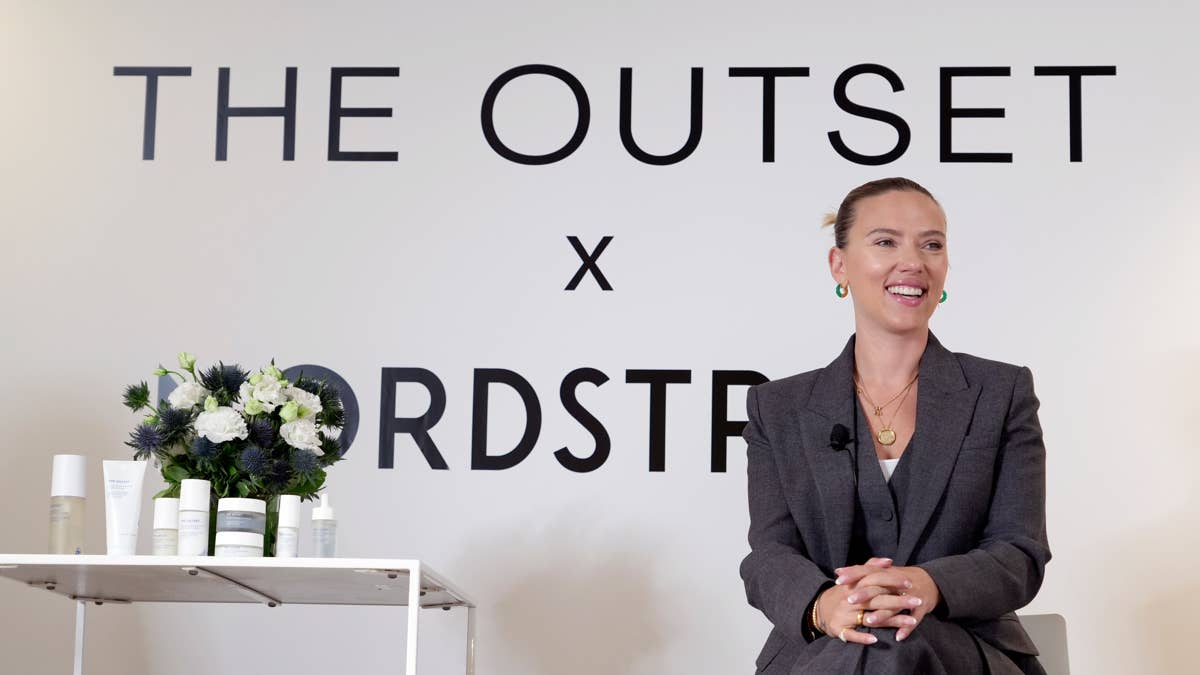
Scarlett Johansson's beauty and skincare brand The Outset announced its closure after less than two years in operation, marking a notable retreat from the celebrity beauty landscape that has become increasingly crowded and competitive. Launched in 2023 with much fanfare, the line positioned itself as a premium skincare offering but failed to gain the traction needed to sustain operations in a market dominated by established players and newer entrants backed by major conglomerates.
The closure reflects broader challenges facing celebrity beauty brands. While names like Rihanna's Fenty Beauty and Hailey Bieber's Rhode have thrived, many smaller celebrity-backed lines struggle with customer acquisition costs, retail placement hurdles, and the constant need for social media engagement to drive sales. The Outset's exit suggests that celebrity status alone no longer guarantees commercial success in beauty, particularly when brands lack distinctive positioning or the infrastructure of major beauty groups.
Separately, a fashion designer filed a lawsuit against Lego over a figurine included in the Lego "Queer Eye" set, specifically challenging the design of the figure's jacket. The legal action highlights tensions between toy manufacturers and fashion creatives regarding intellectual property and design rights. While details remain limited, the case underscores how brands increasingly protect design elements and how collaborations between fashion and toy companies require careful attention to licensing and attribution.
The incident also reflects Lego's strategic pivot toward adult-oriented and culturally relevant sets. The "Queer Eye" collaboration targets both longtime fans of the Netflix series and LGBTQ+ audiences, representing Lego's broader effort to align with contemporary culture and expand beyond traditional children's toy positioning.
Meanwhile, luxury fashion brands are recalibrating their strategies as Gen Z spending slows. Previously, luxury houses pursued aggressive direct-to-consumer expansion and digital-first strategies aimed at younger consumers. Now, brands recognize the need to balance youth appeal with profitability, particularly as economic headwinds affect discretionary spending among younger demographics.
Luxury conglomerates including LVMH, Kering, and Richemont have begun emphasizing quality over volume and focusing on heritage narratives that appeal across age groups. Collections increasingly blend high-fashion craftsmanship with streetwear sensibilities, acknowledging Gen Z's preference for authenticity and sustainability over conspicuous consumption. Brands like Dior, Gucci, and Saint Laurent have adjusted pricing strategies and product mix to maintain accessibility while preserving brand equity.
This recalibration also involves renewed investment in physical retail experiences. Luxury brands recognize that younger consumers value experiential shopping and community building, not merely transaction-focused e-commerce. Pop-ups, flagship renovations, and collaboration events replace pure digital strategies.
The intersection of these three stories reveals the fashion and beauty industry's ongoing reckoning with market saturation, shifting consumer priorities, and the limits of celebrity and novelty as business drivers. Success now requires authentic positioning, strategic partnerships, and willingness to adapt when market conditions change. The Outset's closure, the Lego lawsuit, and luxury's Gen Z recalibration together signal that the industry's previous playbooks no longer guarantee success.