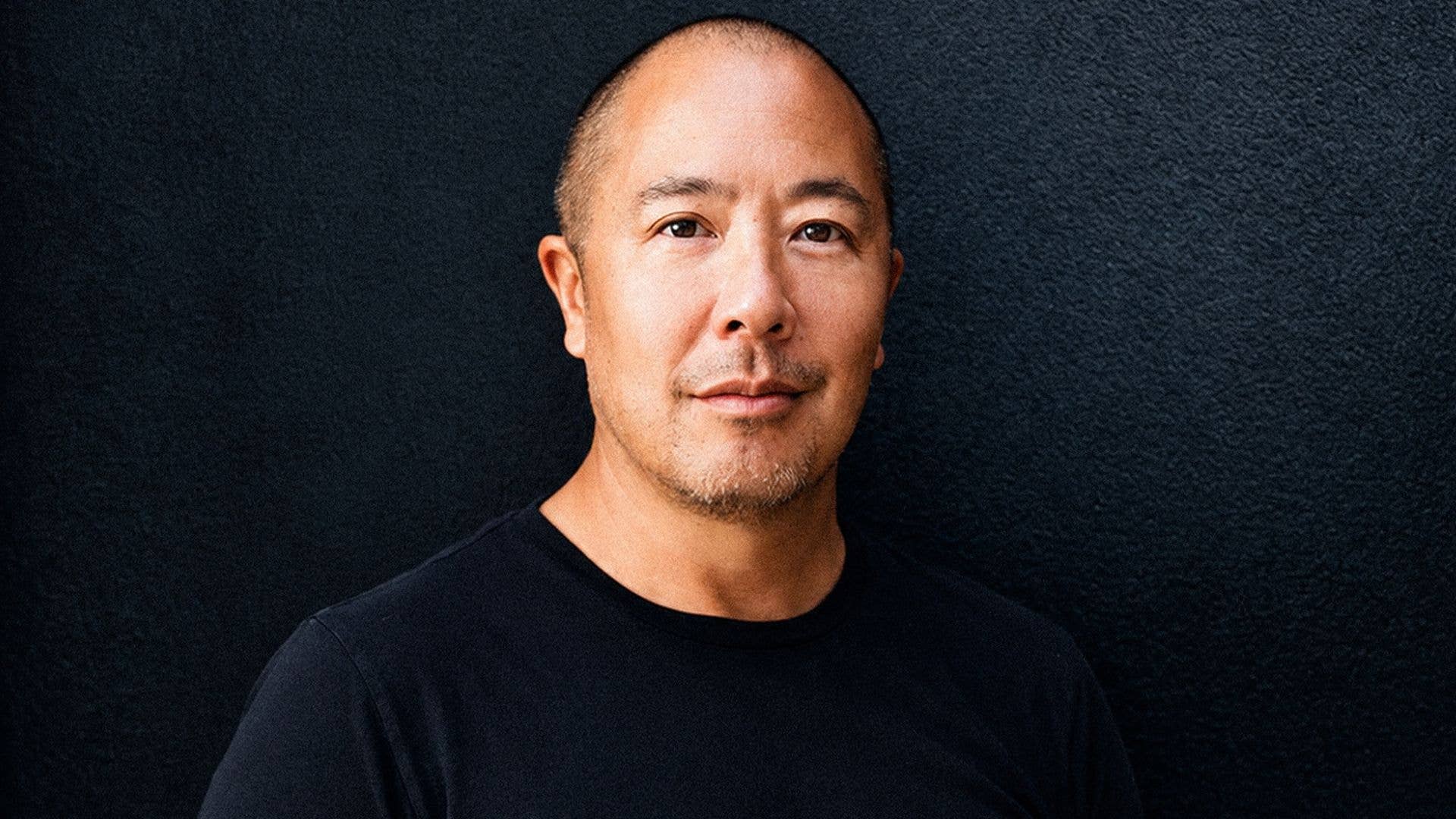
Derek Lam has returned to his eponymous brand Derek Lam 10 Crosby as creative director, marking a significant homecoming for the designer after his departure from the label in recent years. The move represents a notable shift in leadership at the New York-based house, which has built its reputation on accessible luxury and sophisticated tailoring since its inception.
Lam, who founded Derek Lam 10 Crosby in 2003, departed to serve as creative director at Tommy Hilfiger before stepping away from that role. His return to the brand he established signals renewed commitment to the house's design vision and creative direction. The designer brings decades of experience in both luxury and contemporary markets, positioning him to guide the label through an evolving retail landscape where brand identity and creative consistency matter more than ever.
The appointment arrives at a pivotal moment for Derek Lam 10 Crosby. The brand has maintained a devoted following for its refined approach to minimalism, elevated basics, and architectural silhouettes that appeal to customers seeking quality over seasonal trend chasing. Lam's return should reinvigorate the house with the founder's original perspective while leveraging his evolved understanding of the market developed through his time at other prominent fashion houses.
Separately, Chanel has announced the location for its Cruise 2027 show, continuing the luxury house's tradition of showcasing collections in culturally and architecturally significant destinations. The brand uses cruise presentations to elevate its image and celebrate heritage while engaging global audiences beyond the traditional fashion calendar. The specific location announcement reflects Chanel's strategic approach to experiential marketing and brand storytelling through carefully curated settings.
Beyond executive news, Edward Buchanan has launched a nonprofit organization dedicated to supporting Black creatives in the fashion industry. The initiative addresses systemic barriers that Black designers and creatives face when attempting to build sustainable careers in fashion. Buchanan's nonprofit work represents a growing movement within the industry toward creating tangible pathways for underrepresented talent, offering mentorship, funding, and professional development opportunities.
The nonprofit model has gained traction as an effective intervention mechanism within fashion's historically exclusionary structures. Rather than relying solely on corporate diversity initiatives, independent nonprofits operate with greater autonomy and direct accountability to their communities. Buchanan's organization joins a broader ecosystem of initiatives aimed at dismantling gatekeeping practices and democratizing access to fashion industry resources.
These three developments underscore distinct industry trajectories. Lam's return demonstrates the cyclical nature of fashion leadership, where founder-driven creative vision remains valuable even after leadership transitions. Chanel's cruise strategy confirms that experiential presentation continues driving luxury brand positioning. Buchanan's nonprofit work reveals how individual actors are building institutional solutions to address diversity gaps that traditional corporate structures have failed to resolve.