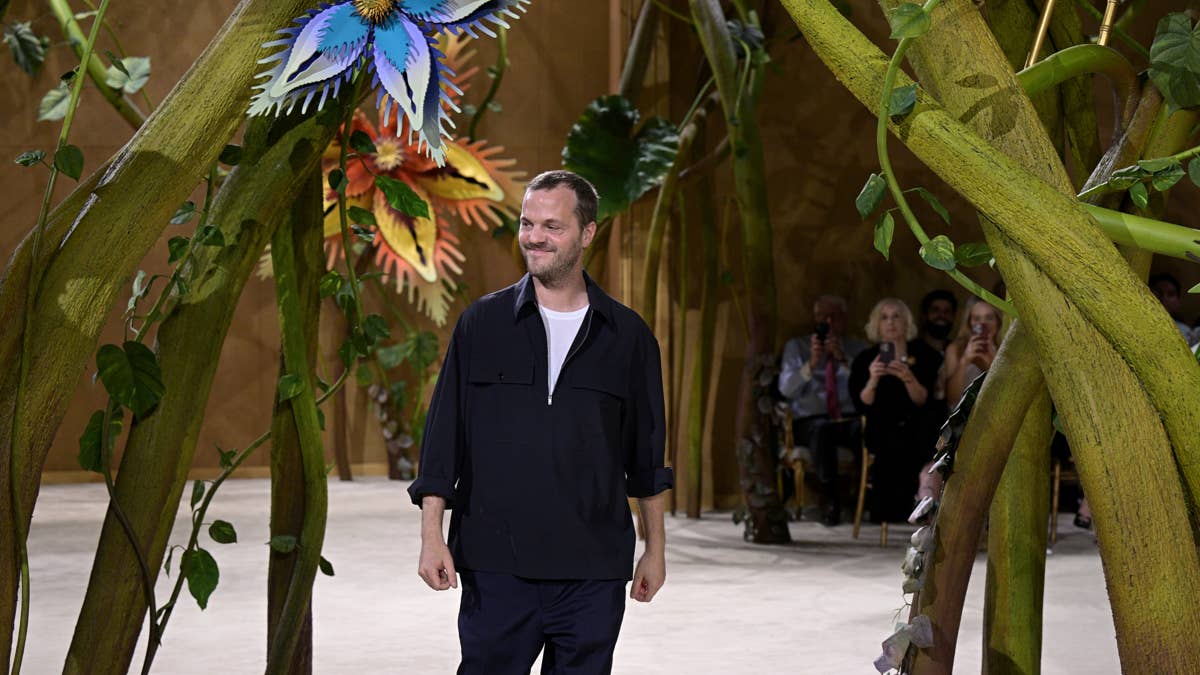
# Matthieu Blazy Navigates Chanel's Historic Transition While LVMH Confronts AI Disruption
Matthieu Blazy steps into the most scrutinized creative post in fashion with a portfolio built on quiet intensity. His first year helming Chanel, following Virginie Viard's departure, presents both opportunity and constraint. The Belgian designer inherits a house bound by its own codes: the tweed jacket, the quilted bag, the camellia. Yet Blazy's track record at Bottega Veneta, where he restored the brand's craft-focused identity and commercial momentum, suggests he understands the paradox of heritage stewardship. At Chanel, that means evolution without erasure.
Bernard Arnault's comments on running LVMH inject fresh perspective into luxury's sprawling empire management. The French billionaire oversees a conglomerate housing 75 brands across fashion, watches, spirits, and cosmetics. His operational philosophy centers on empowering creative leadership while maintaining ruthless financial discipline. This duality shapes how houses like Chanel operate within the group: they retain autonomy in design direction but answer to performance metrics. For Blazy, this means freedom tempered by results.
His first collections signal respect for Coco's vocabulary while introducing textural subtlety and contemporary ease. The work feels less about radical statements than refinement of proportion and material innovation. This approach mirrors his Bottega methodology: restore confidence through craft rather than provocation. Luxury customers at Chanel's price point value consistency and heritage recognition. Blazy delivers on both fronts without triggering the backlash that greets designers perceived as erasing house identity.
The concurrent rise of AI-generated models across the industry presents a separate crisis point. Several fashion brands have begun substituting digital models for human talent in lookbooks and campaigns, citing cost efficiency and creative flexibility. This threatens fundamental employment structures while raising ethical questions about consent and representation. Industry veterans and modeling agencies have voiced alarm. The move undermines the human storytelling that historically drove luxury marketing.
LVMH's position on AI integration remains cautious. Unlike some conglomerates rushing toward automation, Arnault's group recognizes that luxury thrives on human craftsmanship narratives and the aspirational pull of real people wearing real clothes. Chanel in particular has built its modern identity on celebrating women of consequence. Substituting digital replacements contradicts that brand strategy entirely.
For Blazy, the first-year mandate extends beyond collections. He must articulate why Chanel matters to Gen Z consumers increasingly skeptical of heritage institutions. AI-generated content offers no answer to that question. Authentic design vision, rooted in understanding cultural nuance, does. His early work suggests he grasps this distinction.
The fashion industry watches closely. A stumble at Chanel reverberates across the luxury sector. Success establishes a template for how heritage houses navigate contemporary disruption without abandoning their foundations. Blazy's appointment and Arnault's stewardship philosophy suggest LVMH intends to compete through human excellence rather than technological shortcuts. That wager reflects deeper faith in what luxury ultimately sells: human connection, not algorithmic efficiency.