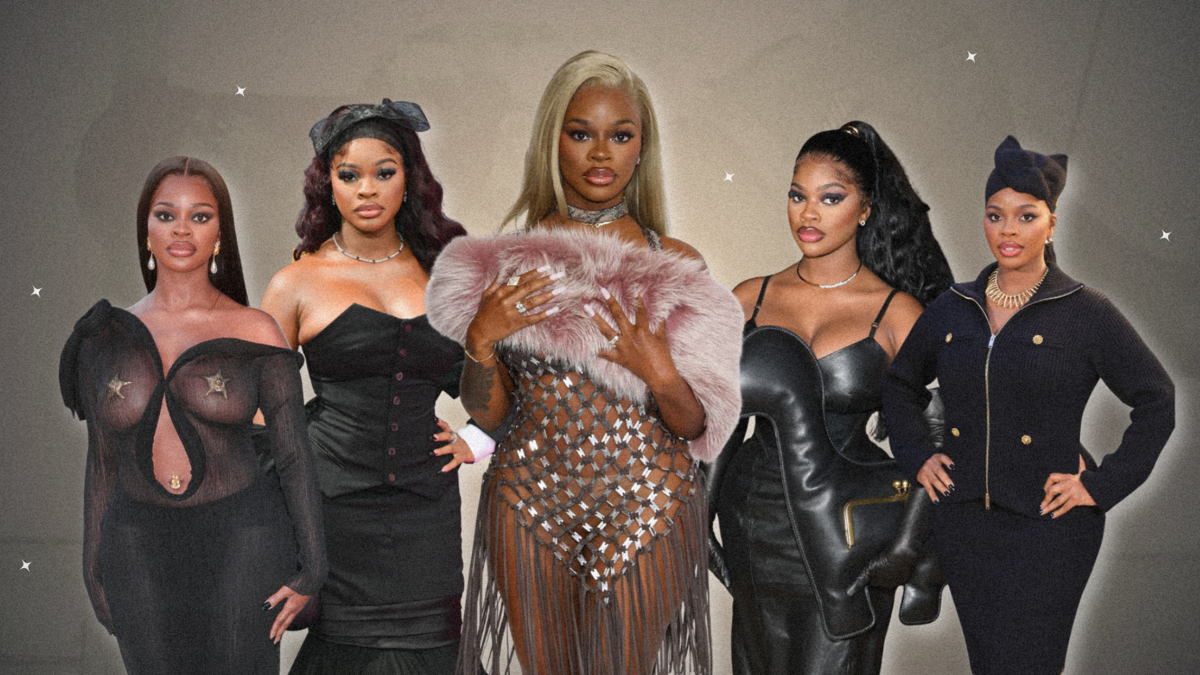
# JT Redefines Personal Style on Her Own Terms at Paris Fashion Week
Rapper and style icon JT continues to position herself as a fearless voice in fashion, rejecting conventional dress codes and industry expectations in favor of pure self-expression. Her recent appearance at Paris Fashion Week and ongoing collaboration with luxury streetwear powerhouse Off-White underscores a broader shift in how contemporary artists approach fashion as an extension of identity rather than conformity.
JT's philosophy centers on radical autonomy. "I do what I want to do, and I wear what I want to wear. I don't dress to impress others — I dress to impress myself," she stated, articulating a ethos that resonates deeply within Gen Z and millennial fashion communities. This approach stands in stark contrast to the gatekeeping traditionally associated with haute couture and luxury fashion weeks, where unwritten rules about who belongs and what constitutes appropriate attire have long governed proceedings.
Her alignment with Virgil Abloh's Off-White label proves particularly telling. Off-White disrupted luxury fashion by grafting street culture aesthetics onto high-end tailoring, democratizing access to prestige through quotation marks, industrial straps, and deconstructed silhouettes. The brand's DNA emphasizes individualism over inheritance, making it a natural fit for an artist like JT who built her career on unapologetic self-determination.
Paris Fashion Week remains the industry's most formal stage, yet JT's presence there signals how the institution itself has evolved. Where previous generations of entertainers might have felt pressure to assimilate into established luxury codes, today's cultural figures dictate their own participation. They appear on their terms, wearing what they choose, backed by global audiences who celebrate rather than police their sartorial choices.
This democratization of fashion authority reflects larger industry dynamics. Luxury houses increasingly court street culture figures and hip-hop artists as cultural collaborators rather than aspirational customers. Dior, Chanel, and Louis Vuitton have all invested heavily in relationships with rap and R&B communities, recognizing that fashion's future resides in cultural authenticity rather than exclusionary gatekeeping.
JT's stance also emerges against a backdrop of evolving conversations around dress codes themselves. The fashion industry has faced sustained criticism for its lack of racial and cultural diversity, its prohibitive price points, and its tendency to commodify Black aesthetics while marginalizing Black creators. Her refusal to dress to impress others becomes a political act, not merely a personal preference.
The rapper's visibility at Paris Fashion Week matters beyond her individual wardrobe choices. It signals to emerging artists that fashion weeks function as democratic spaces where cultural power matters as much as pedigree. The gatekeepers no longer control who appears or what codes govern participation.
Off-White's partnership with JT extends this logic into the commercial realm. Streetwear brands have systematically repositioned themselves as equal players to traditional luxury, and artist collaborations cement that legitimacy. When JT wears Off-White at Paris Fashion Week, she models a new archetype: the fashion insider who arrives not through inheritance or approval, but through cultural relevance and uncompromising self-presentation.
Her philosophy ultimately reflects where fashion has landed in 2024. The industry increasingly rewards authenticity over conformity, cultural significance over social climbing, and personal conviction over palatability. JT simply articulates what the market already demonstrates.