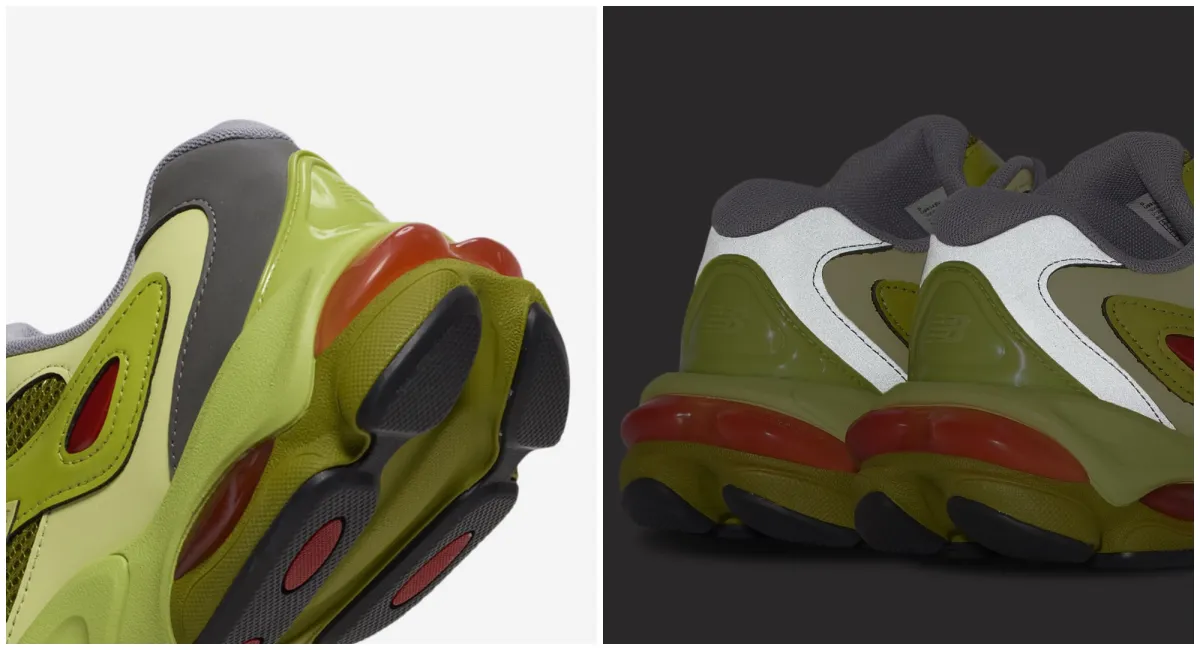
# New Balance's 983 Embraces Peak Y2K Maximalism in Debut Colorway
New Balance continues its lifestyle sneaker momentum with the introduction of the 983, a silhouette steeped in early 2000s nostalgia that arrives at select retailers with an arrestingly vibrant colorway that captures the spirit of millennial maximalism.
The 983 positions itself squarely within New Balance's broader strategy to dominate the lifestyle sneaker category beyond running performance. While the brand built its reputation on technical footwear, the lifestyle segment now represents critical revenue as consumers increasingly blur the lines between athletic and casual wear. The 983's Y2K-inspired design language taps directly into the cyclical revival of 2000s aesthetics that has dominated fashion for the past five years, a trend visible across luxury houses like Balenciaga and contemporary brands like Salehe Bembury's collaborations.
The debut colorway delivers exactly what the market expects from Y2K revival pieces. Bold, multichromatic blocking characterizes the upper, with contrast panels that reject the minimalist sensibilities of recent decades. This approach mirrors successful precedents like the New Balance 550 and 574, both lifestyle staples that achieved cultural penetration beyond traditional sneaker enthusiasts through bold color treatments and nostalgic design cues. The 983 signals New Balance's confidence that this aesthetic direction continues to resonate with Gen Z and millennial consumers who grew up consuming early 2000s pop culture.
The early retail rollout strategy reflects savvy marketing. Select retailers gain exclusivity windows before broader distribution. This tiered release approach generates hype among sneaker communities while allowing New Balance to test demand curves and refine future production volumes. Premium streetwear retailers and specialty sneaker boutiques typically receive these early allocations, creating perceived scarcity that drives both resale interest and brand cachet among collectors.
New Balance faces intensified competition in lifestyle sneakers. Nike dominates through heritage silhouettes and celebrity collaborations. Adidas maintains formidable positioning through Yeezy partnerships and retro runs. Smaller players like Salehe Bembury have carved niche influence through design innovation. In this context, New Balance's Y2K positioning represents rational brand architecture. The company owns significant manufacturing capacity and heritage in the early 2000s basketball sphere, making period-accurate design both authentic and executable at scale.
The 983 enters a market primed for color. Fashion moved away from neutral minimalism throughout 2023 and 2024. Prada, Gucci, and Louis Vuitton all embraced brighter palettes in recent collections. Sneaker culture amplified this shift. Bright colorways on Asics Gel-Lyte IIIs and New Balance's own 990v6 releases consistently sell through quickly, indicating sustained consumer appetite for visual excess.
Distribution timing matters. Early retailer access builds momentum in sneaker media and social platforms before mass release. This creates organic content from influencers and collectors, reducing reliance on paid marketing. New Balance's strategy prioritizes community-building within sneaker culture, a demographic that translates enthusiasm into both repeat purchases and aspirational brand positioning among younger consumers.
The 983 represents incremental execution rather than innovation. New Balance refines proven formulas rather than experiment. This approach works. The brand grew lifestyle sneaker revenue substantially in recent years by repeating what works. The 983 simply extends that trajectory with aesthetic timing that captures current trends without overreaching into untested territory.