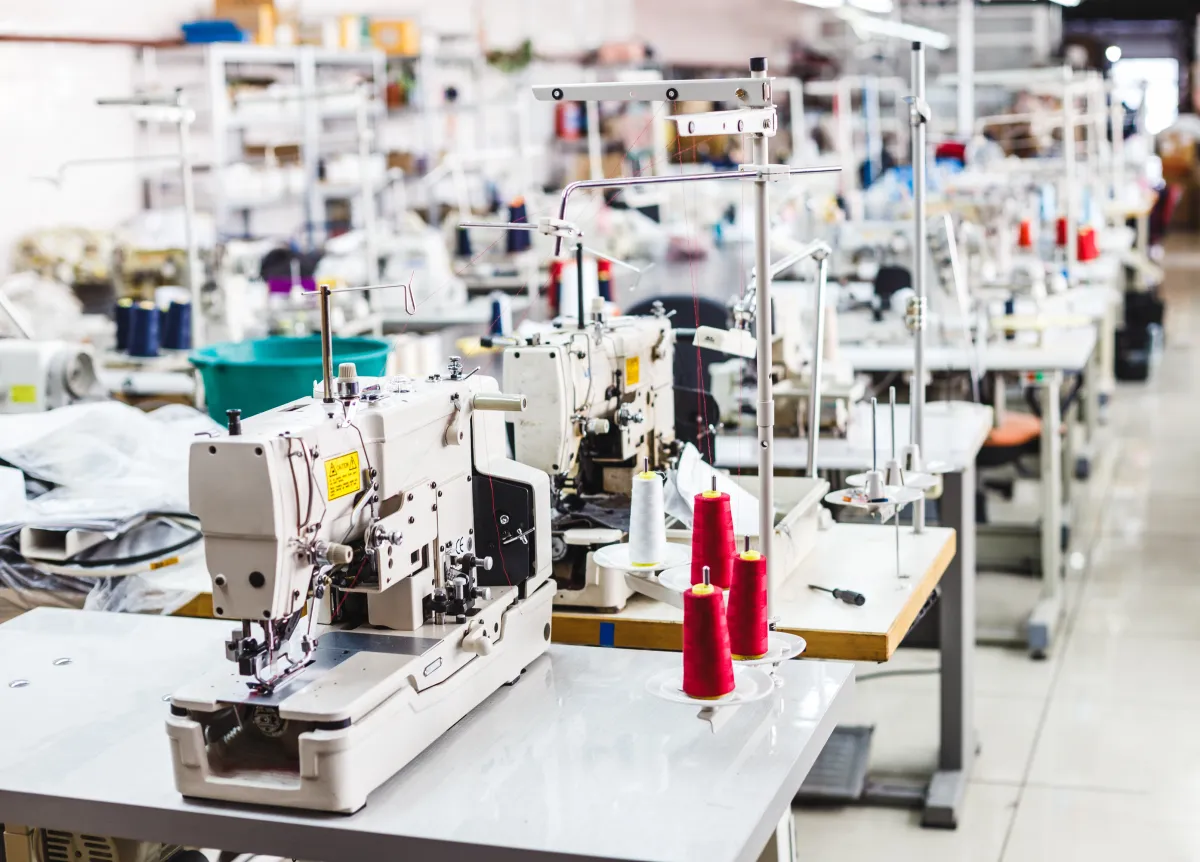
# Inside the Factory: Why Supply Chain Performance Starts at Production
Factory Care Solutions is reshaping how luxury and mainstream brands approach production oversight, pushing quality control and supply chain transparency directly into manufacturing facilities. The company's model centers on product identification, verification, and operational efficiency at the factory level, challenging traditional approaches that often catch problems downstream.
This shift reflects a broader industry reckoning. Brands have long relied on post-production audits and retail-level verification to catch defects and authenticate goods. That model leaves room for error, counterfeiting, and efficiency losses that compound across the supply chain. Factory Care Solutions inverts this logic by embedding verification systems directly into production workflows, where problems can be caught in real time and corrected before goods leave the source.
The approach addresses a cascade of industry pain points. Counterfeit goods cost luxury brands billions annually. Supply chain disruptions continue to plague manufacturers post-pandemic. Labor practices and environmental compliance remain under intense scrutiny. Quality inconsistencies erode brand equity. Each of these problems becomes easier to solve when visibility exists at the factory floor level, where decisions about materials, labor, and processes actually unfold.
Product identification systems create an immutable record from manufacture onward. Verification protocols ensure that goods meet brand specifications before shipment. Operational efficiency tools help factories optimize production while maintaining quality standards. Together, these elements form a control point that benefits both brands and manufacturers.
For major players like LVMH, Kering, Richemont, and mid-market brands racing to scale, factory-level solutions offer competitive advantage. Brands can reduce recalls, minimize counterfeit losses, accelerate time-to-market, and demonstrate supply chain accountability to consumers and regulators. Factories gain data that improves their operations and strengthens relationships with their most valuable accounts.
The timing matters. ESG requirements now demand supply chain transparency. Consumers expect authenticity guarantees. Regulatory pressure around labor and environmental practices continues intensifying. Digital supply chain infrastructure is finally mature enough to deploy at scale. These factors converge to make factory-centric solutions viable and necessary.
Factory Care Solutions operates in a growing category. Tech firms including Everledger, Aqilliz, and blockchain-focused platforms compete for similar territory. Yet adoption remains uneven. Many factories, particularly smaller operations in developing regions, lack the infrastructure or capital to integrate sophisticated systems. Brand compliance teams must balance implementation costs against risk mitigation benefits.
The model also raises questions about data ownership and factory autonomy. Manufacturers may resist systems that feel intrusive or that transfer operational control to brand partners. Privacy concerns emerge when factories provide granular production data. Standardization remains elusive. Different brands demand different verification protocols, forcing factories to support multiple systems simultaneously.
Despite friction points, the direction is clear. Brands increasingly view supply chain integrity as a core business function rather than a compliance checkbox. Factory-level solutions align with that evolution. Companies that embed verification and efficiency tools at production will reduce costs, protect brand reputation, and establish structural advantages over competitors still relying on older models.
This isn't about perfection. It's about moving accountability upstream, where it belongs.