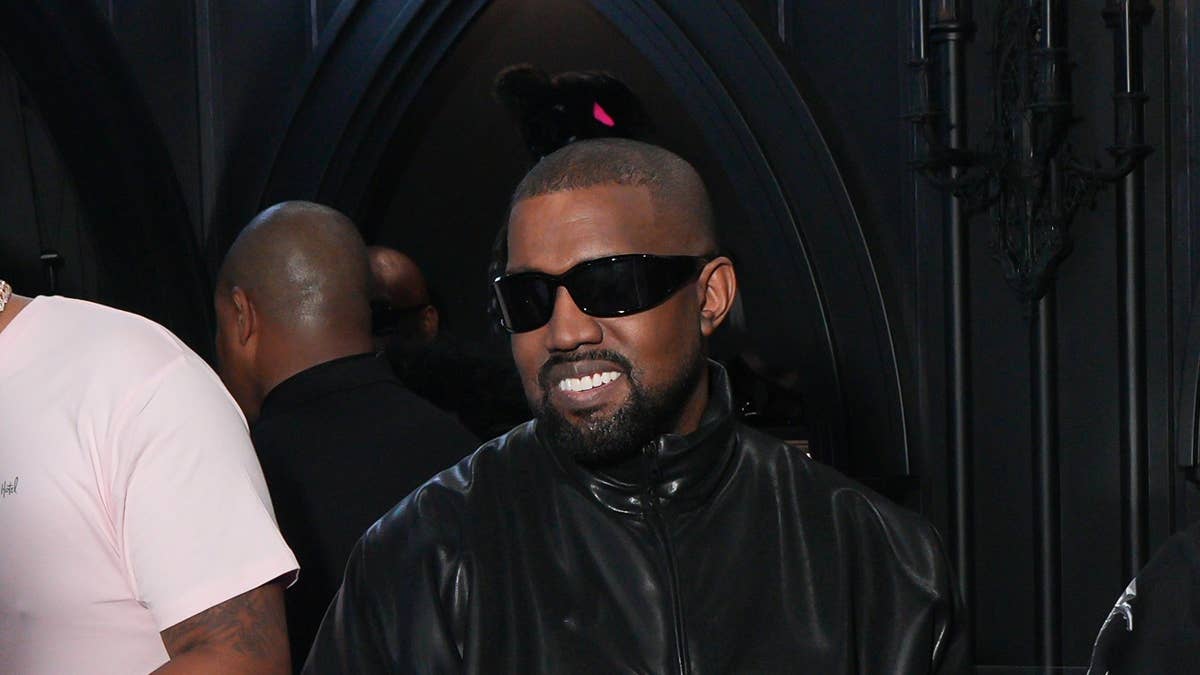
Kanye West appears poised for a significant comeback on the runway after years of relative absence from fashion's main stage. The rapper and designer, whose Yeezy brand once dominated streetwear and luxury conversations, has reportedly begun exploring a return to formal fashion presentations. This marks a potential shift in West's trajectory following the dissolution of his Adidas partnership in 2022, which had valued the Yeezy line at nearly $2 billion at its peak.
West's runway ambitions arrive as the fashion industry recalibrates around designer returns and reinventions. His previous collections under the Yeezy umbrella redefined silhouettes across menswear and womenswear, influencing everything from oversized proportions to earth-toned palettes that became industry standard. A formal runway presentation would signal West's intent to re-establish creative authority in a landscape where his influence has diminished but his cultural relevance remains pronounced.
Separately, Jenna Ortega secures the cover of Vogue, cementing her status as a Hollywood-to-fashion crossover force. The "Wednesday" actress, whose dark aesthetic and unconventional style choices have distinguished her from conventional celebrity dressing, represents the magazine's continued investment in entertainment figures who influence contemporary fashion discourse. Ortega's Vogue moment reflects broader industry trends favoring actors with defined personal style over traditional modeling lineups.
The timing of these announcements coincides with robust financial performance across luxury conglomerates. Prada Group reported a 15 percent sales increase over the first nine months of 2026, demonstrating resilience in the luxury sector despite macroeconomic headwinds. The Italian powerhouse, which owns Prada, Miu Miu, and Church's, continues to benefit from strong demand in Asia and sustained consumer appetite for heritage brands positioned at the intersection of accessibility and prestige.
Prada's performance underscores a broader luxury market dynamic where established houses with clear creative vision outpace competitors lacking distinctive identity. The group's growth reflects successful navigation of digital transformation and e-commerce expansion, areas where legacy brands have historically struggled. Chief among Prada's advantages remains its collaborative design partnerships and ability to generate cultural conversation around seasonal collections.
West's potential return carries symbolic weight for an industry that has experienced unprecedented turnover in creative leadership over the past five years. His runway reemergence would represent another chapter in fashion's cyclical nature, where designers exit and reenter the spotlight based on personal circumstances, market conditions, and strategic timing. Whether West pursues an independent path or collaborates with an existing house remains unclear, though industry observers suggest his next move will carry outsized cultural consequences.
The convergence of these three narratives reveals how fashion functions across multiple registers simultaneously. Designer ambitions operate alongside celebrity visibility strategies and corporate performance metrics. Each element feeds into the others. West's cultural authority can elevate a house's profile. Ortega's Vogue placement influences consumer perception of what constitutes desirable style. Prada's financial strength enables continued investment in creative risk-taking.
Fashion's power structure remains tied to legacy brands capable of absorbing financial volatility while maintaining creative credibility. Prada Group's continued growth suggests consumers continue valuing heritage and craftsmanship, even as designers like West push against established hierarchies. The industry's next chapter will likely feature both veteran returns and emerging voices challenging existing power dynamics.