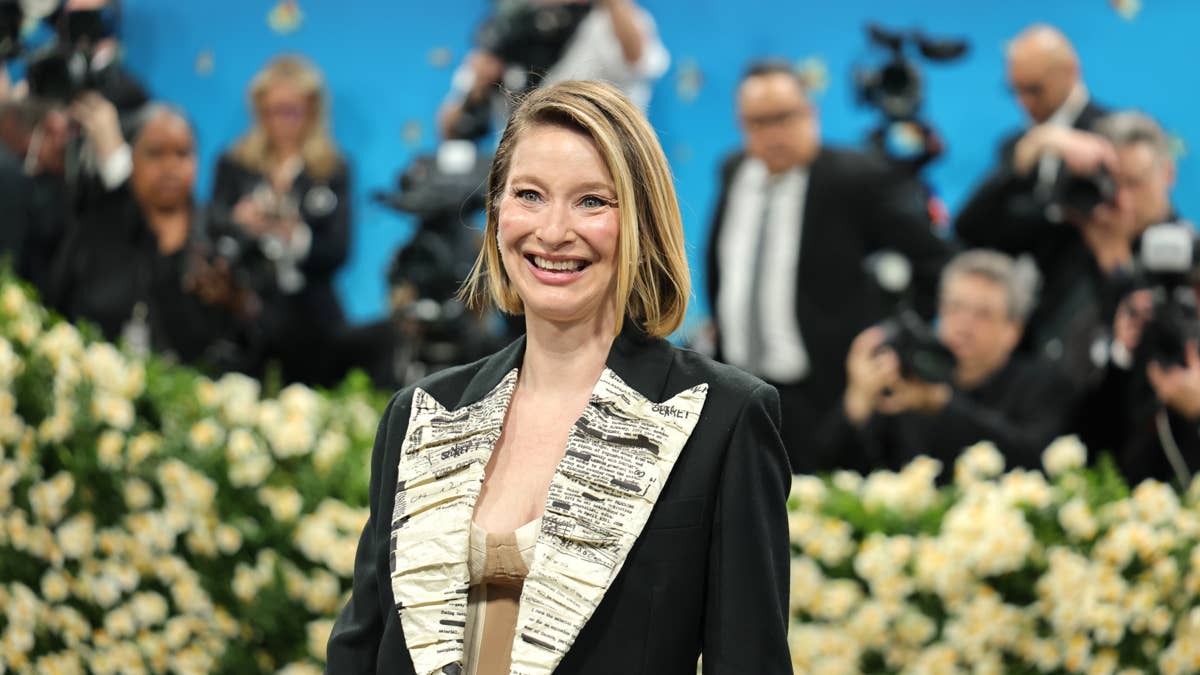
The Council of Fashion Designers of America announced Hildy Kuryk as interim chief executive officer following Steven Kolb's resignation from the organization. Kuryk, who previously served as the CFDA's senior vice president of operations and strategic initiatives, steps into the role as the board launches a formal search for a permanent successor.
Kolb led the CFDA for nearly a decade, steering the industry organization through the pandemic, navigating shifts in the fashion calendar, and overseeing the modernization of New York Fashion Week. His departure marks a pivotal moment for an institution that represents over 500 American fashion designers and brands, from emerging talents to established houses.
Kuryk brings operational expertise to the interim position, having managed strategic initiatives that touched every department within the CFDA. Her background in operations positions her to maintain continuity while the board identifies candidates for the permanent role. The interim appointment suggests the CFDA wants stability during what could be an extended search for a leader who understands both the business complexities of contemporary fashion and the organization's mission to champion American design.
The timing reflects broader industry volatility. American fashion houses face pressure from fast-fashion competitors, shifting wholesale dynamics, and the continued decentralization of fashion weeks globally. The CFDA's leadership shapes policy around New York Fashion Week, mentorship programs, and industry advocacy. Whoever assumes the permanent role will inherit these responsibilities alongside emerging challenges around digital presentations, sustainability standards, and diversity initiatives that have become central to the fashion conversation.
Kolb's tenure saw the CFDA adapt its calendar format, embrace digital presentations, and deepen partnerships with retailers and media. The organization also expanded its educational initiatives and began addressing supply chain transparency. Replacing a leader with that track record demands someone versed in industry mechanics and equipped to navigate an evolving marketplace.
The board's search process will likely attract candidates from fashion organizations, luxury conglomerates, and nonprofit leadership. The ideal candidate should understand fashion's cultural weight, its business realities, and its role as an incubator for American design talent. The CFDA serves designers who range from niche luxury houses to contemporary ready-to-wear brands, requiring leadership that balances competing interests within the membership.
Kuryk's interim appointment demonstrates confidence in her ability to keep operations running while the search unfolds. Her existing relationships with board members, designers, and staff give her credibility during the transition. The CFDA's board will need to move deliberately but not sluggishly. Extended leadership vacuums can undermine institutional momentum, particularly during critical moments in the fashion calendar.
The search also reflects the CFDA's desire to signal stability to its membership and the broader fashion industry. Any new permanent CEO will inherit an organization positioned at the intersection of American design heritage and future-facing industry change. Kuryk's interim role buys the board time to identify someone equipped for that balancing act.