# London Fashion Week's Coolest Trends, Inside Falconeri's Cashmere Factories, and FIT's New Doll Exhibition Shape the Cultural Conversation
This week's fashion discourse pivots across three distinct narratives that reveal where the industry stands right now. London Fashion Week delivered the season's most talked-about silhouettes and directional thinking. Falconeri opened its production doors to reveal the meticulous craft behind luxury cashmere. Meanwhile, the Museum at FIT mounted a doll exhibition that bridges fashion history with contemporary cultural questions.
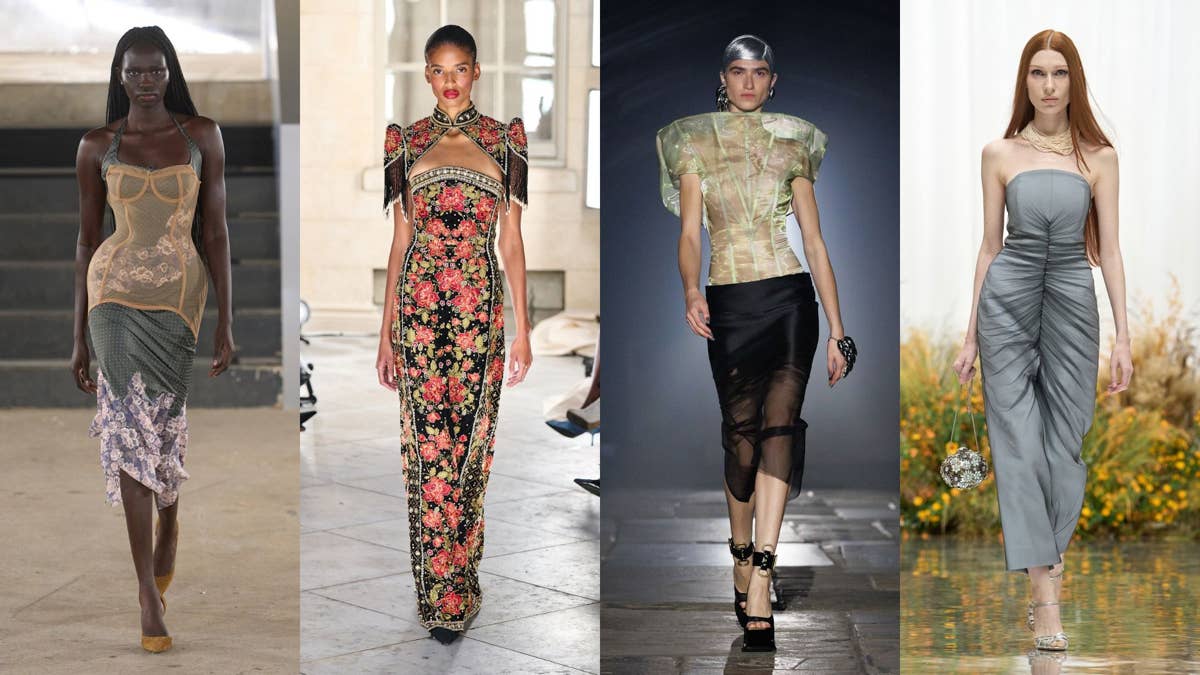
London Fashion Week remains the calendar's most unpredictable platform. The designers who showed this season pushed away from the maximalism that dominated recent years, favoring instead a quieter intelligence in construction and fabric choice. The coolest trends emerging from the schedule reflected a return to precision tailoring, oversized but deliberate outerwear, and a renewed interest in neutral palettes with unexpected texture combinations. The week proved that British fashion houses still command cultural authority when they trust their editorial point of view over trend-chasing.
Behind the glamour of the runway sits the unglamorous work of production. Falconeri, the Italian cashmere specialist founded in 1985, welcomed industry observers into its manufacturing facilities to document exactly how the brand maintains its quality reputation. The factory tour revealed a labor-intensive process that justifies premium pricing. Falconeri sources cashmere from specific regions and employs highly trained workers at every stage, from fiber sorting to finishing. The transparency move positions cashmere not as a commodity but as a craftspeople-driven product category. This matters because luxury consumers increasingly demand visibility into supply chains. Falconeri's openness sets a benchmark for what transparency actually means beyond marketing language.
The Museum at FIT's new doll exhibition brings fashion collecting into sharper focus. Fashion dolls function as miniature archives of cultural taste and design history. The exhibition explores how dolls dressed by major designers become time capsules of specific aesthetic moments. Mattel, Barbie's parent company, has collaborated with fashion houses for decades. Meanwhile, museum-quality fashion dolls created by independent artists command serious collector attention. The exhibition poses questions about what we preserve and why. Fashion dolls matter because they document how design trickles across price points and age demographics. A haute couture gown on a doll reaches children and collectors, extending the designer's cultural reach far beyond the runway.
These three stories share a common thread: fashion operates on multiple registers simultaneously. The runway generates headlines and trend forecasting. The factory floor determines whether luxury claims hold weight. The museum context transforms clothing into cultural artifact. Each layer informs the others. Designers studying London Fashion Week's directional shift may draw inspiration from construction methods they discover in factory tours. Museum exhibitions legitimize fashion as worthy of archival attention, which influences how contemporary designers position their work.
This week's discourse reveals an industry increasingly aware of its own complexity. Fashion journalism that simply documents new silhouettes misses the larger story. The coolest trends matter because they emerge from thoughtful design principles. Cashmere factories matter because production quality determines whether a brand survives generational criticism. Museum exhibitions matter because they establish fashion as deserving serious intellectual engagement. Readers who want to understand fashion must understand all three dimensions.