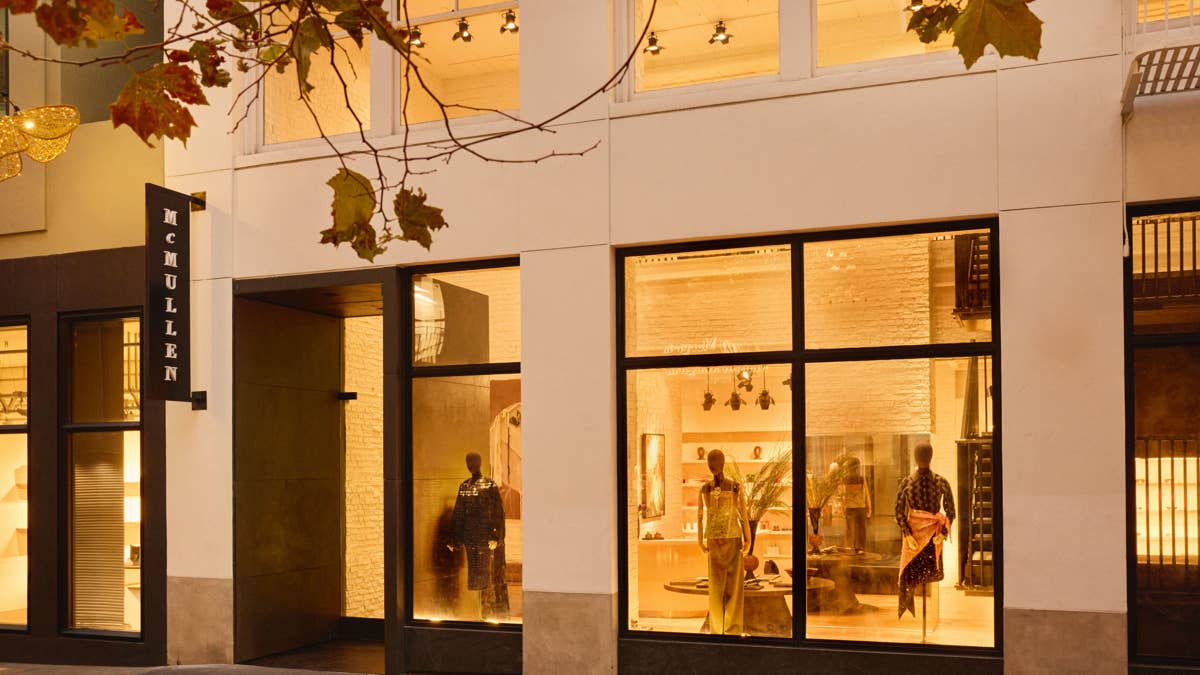
McMullen inaugurates its first flagship store in San Francisco's Union Square, marking a pivotal expansion for the contemporary brand into one of America's most competitive retail markets. The opening signals McMullen's ambition to capture West Coast consumers through a physical footprint that extends beyond its digital presence.
The flagship spans a premium location in Union Square, positioning the brand alongside luxury and contemporary retailers that define San Francisco's retail landscape. McMullen has built its reputation on refined, accessible luxury pieces that appeal to a discerning customer base. The brick-and-mortar expansion transforms the brand's go-to-market strategy as physical retail becomes essential for brand storytelling and customer engagement, even as e-commerce remains a growth engine.
This move arrives as McMullen competes in an increasingly crowded contemporary market where brands like Everlane, Ganni, and Kooples have already established strong retail presence. San Francisco's Union Square location provides visibility and foot traffic that validates the brand's growth trajectory. The flagship likely functions as both a sales channel and an experiential marketing tool, offering customers the chance to interact with the brand beyond screens.
Beckham's broader enterprise continues delivering strong financial performance across multiple ventures. David Beckham's business portfolio spans football clubs, skincare, eyewear, and lifestyle brands that leverage his global brand equity. The growth signals investor confidence in celebrity-driven ventures when managed with strategic discipline. Beckham's approach differs from many celebrity brands that chase trend cycles. His investments show discipline around brand extension and quality control.
The skincare and grooming divisions particularly benefit from male-focused wellness trends. Men increasingly spend on premium grooming and skincare products, and Beckham's established credibility in lifestyle branding positions his ventures to capture this shift. His eyewear line leverages his status as a style icon across decades. These ventures succeed because they feel authentic to Beckham's actual lifestyle rather than opportunistic slaps of celebrity names onto generic products.
Meanwhile, Chanel taps Lucia Pieroni to head makeup creative direction, continuing the luxury house's strategic hiring of visionary creative talent. Pieroni brings substantial experience in color innovation and makeup artistry. This appointment marks another chapter in Chanel's ongoing creative leadership reshuffle as the house navigates its identity post-Virginie Viard.
Viard continues her tenure as Creative Director for RTW and bags, but the makeup division receives dedicated creative stewardship under Pieroni. This separation allows Chanel to develop beauty and fragrance as distinct creative narratives. Pieroni's appointment indicates Chanel's commitment to makeup as a category worthy of top-tier creative investment rather than an ancillary concern. The beauty division generates substantial revenue for luxury houses, and creative leadership at this level ensures makeup innovation aligns with broader brand vision.
These three stories reflect broader industry patterns. Contemporary brands expand retail footprints as digital-first models mature. Celebrity ventures succeed through authentic brand alignment and financial discipline. Luxury houses invest in specialized creative talent across categories. Each move responds to market realities that demand both physical and digital presence, authentic brand narratives, and category-specific creative excellence.