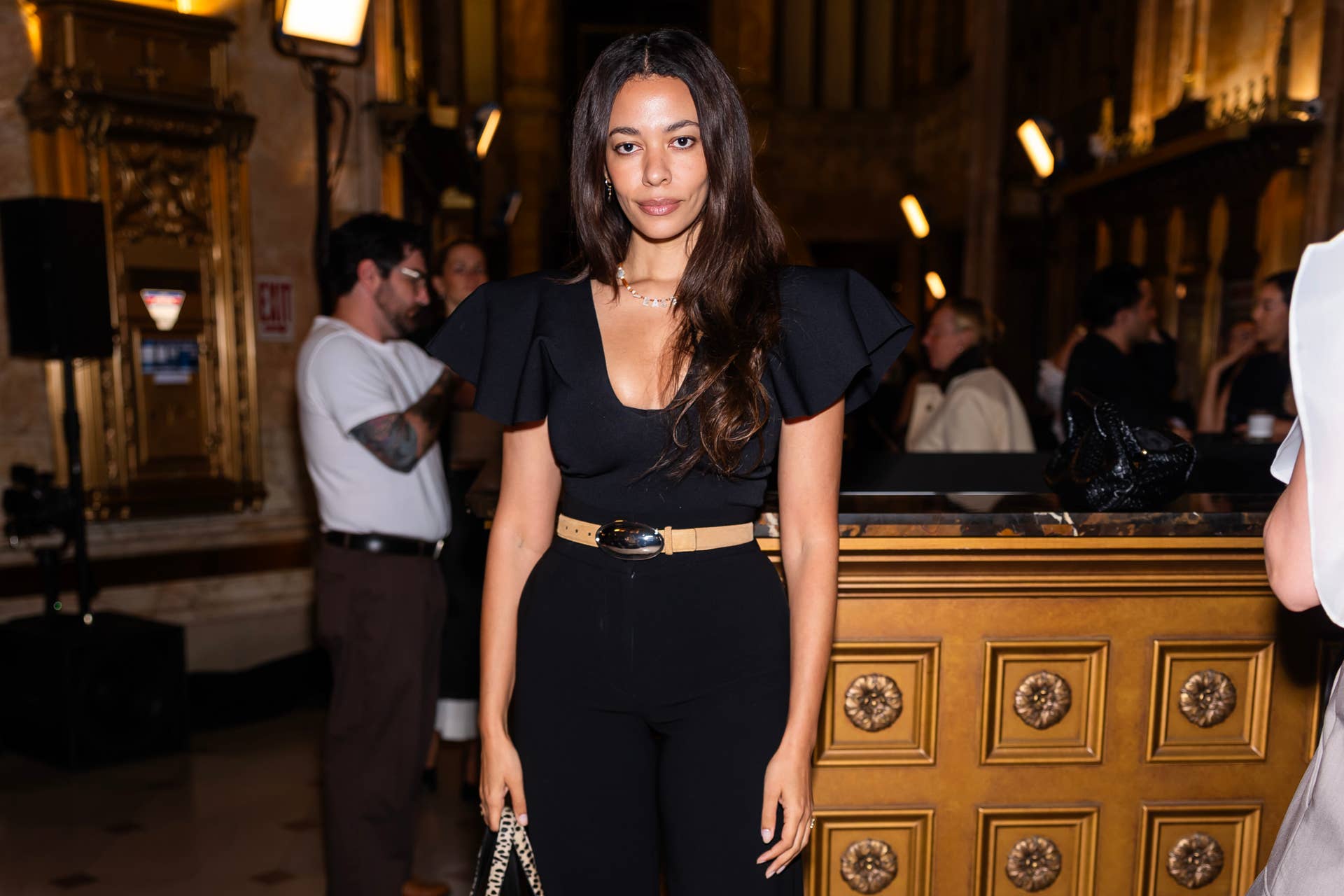
# Aurora James' 15 Percent Pledge Faces Legal Battle as LVMH Charts New Course
Aurora James and her 15 Percent Pledge nonprofit organization are defending against fraud allegations in a lawsuit that marks a sharp turn for the activist initiative that has reshaped retail diversity conversations since its 2020 launch. The legal challenge arrives as the fashion industry grapples with accountability measures around racial equity commitments made during the social justice reckoning of the past four years.
The 15 Percent Pledge pressured major retailers including Sephora, Ulta Beauty, and major department stores to dedicate at least 15 percent of their shelf space to Black-owned beauty and fashion brands. The organization tracked progress and publicly praised or criticized retailers based on compliance. Now facing litigation, James must defend the organization's practices and claims about participating brands' sales performance and commitments.
This lawsuit reflects broader skepticism about diversity pledges across luxury and mainstream retail. Many brands announced splashy commitments in summer 2020 but delivered inconsistently. Some pledges were abandoned quietly. Others faced criticism for performative action without structural change. The 15 Percent Pledge positioned itself as an enforcement mechanism, but the fraud allegations suggest tensions between promised impact and actual results.
The timing compounds pressure on James. Meanwhile, H&M Group reported modest third-quarter sales growth of 1 percent, a figure that underscores retail weakness across the sector. The Swedish fast-fashion giant struggled despite inventory reductions and promotional activity. Cost pressures and consumer spending fatigue continue to plague mid-market fashion retailers, even as luxury remains comparatively resilient.
Separately, the Arnault family announced plans to simplify LVMH's ownership structure. This restructuring involves consolidating voting rights and streamlining the conglomerate's complex shareholder arrangements. The move strengthens Bernard Arnault's control over the world's largest luxury group and eliminates potential friction from minority stakeholders. LVMH owns over 75 brands including Louis Vuitton, Dior, Givenchy, and Celine. Simplified governance allows faster decision-making on strategy, acquisitions, and brand positioning.
The Arnault restructuring reflects confidence in luxury's resilience. While mass-market retailers struggle, LVMH continues benefiting from affluent consumers' spending power and brand loyalty. The conglomerate's dominance over independent mid-tier competitors has only strengthened as consolidation accelerates. Luxury houses control their supply chains, pricing power, and retail footprints in ways that smaller brands cannot match.
These three developments expose fractures in modern retail. Diversity commitments that lacked enforcement mechanisms failed to stick. Mid-market players like H&M face margin compression from both premium competition above and fast-fashion rivals below. Luxury remains insulated, allowing billionaire families to tighten control over sprawling empires.
The 15 Percent Pledge lawsuit signals that activist accountability itself faces accountability. James built credibility by naming and shaming retailers. That approach carries risk. Claims made about sales impact or retailer follow-through become discoverable in litigation. The nonprofit's reputation for rigor will be tested in court.
For independent Black-owned beauty and fashion brands, the implications are direct. The 15 Percent Pledge provided visibility and distribution access that independent marketing budgets could not generate. A weakened or compromised pledge affects their path to retail shelves. Larger brands with resources to build direct relationships with retailers face less disruption. Smaller creators lose a crucial infrastructure player.