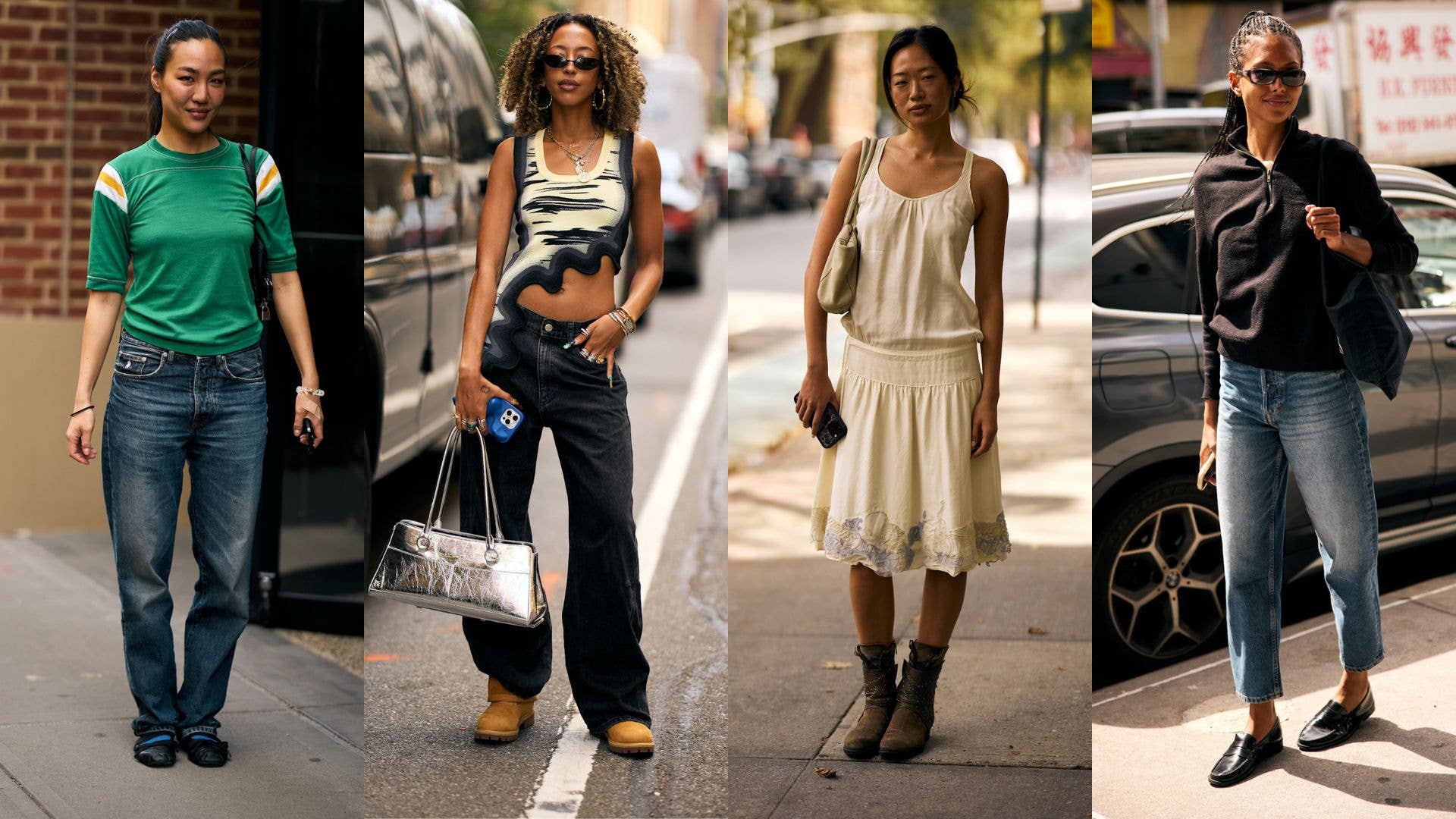
# NYFW Spring 2027 Shows Signal Shift Toward Casual, Comfortable Dressing
New York Fashion Week's Spring 2027 presentations reveal a decisive turn toward relaxed, heat-appropriate styling among industry attendees. Showgoers opted for denim shorts, loose silhouettes, and minimal layering as temperatures climbed during the shows, signaling a broader recalibration in how fashion insiders approach week-long event dressing.
The move away from the traditionally polished, high-formality uniform that once defined NYFW attendance reflects changing attitudes about performative fashion. Attendees prioritized comfort without sacrificing style credibility, choosing quality denim pieces and elevated basics over the rigid dress codes that governed previous seasons. This pragmatism suggests the fashion industry is shedding outdated gatekeeping rituals around what constitutes "appropriate" showgoing attire.
The casualization of NYFW attendee style aligns with broader industry trends. Designers like Brunello Cucinelli and Lemaire have spent seasons elevating relaxed silhouettes and comfort-first construction to luxury status. Simultaneously, Gen Z and younger fashion professionals have rejected performative excess, favoring authenticity and wearability. When Brooklyn-based designers and buyers prioritize functioning in actual weather conditions over Instagram-optimized looks, it shifts expectations across the entire ecosystem.
This casual turn carries commercial weight. Brands like Levi's, Citizens of Humanity, and Agolde have capitalized on denim's position as both accessible and aspirational. Retailers recognize that premium denim drives consistent sales and customer loyalty. NYFW attendees wearing high-end jorts essentially validate denim's luxury positioning to both industry insiders and consumers following the week's coverage.
The Spring 2027 shows themselves likely reinforced this casualization trend. Collections from emerging designers often reflect their target consumer's actual lifestyle. If attendees felt free to wear jorts, the collections presented probably embraced similar ease and mobility. Established houses like Ralph Lauren and Calvin Klein have long built empires on elevated casualwear. Seeing showgoers embody this philosophy at the industry's flagship event validates their continued relevance.
This shift also reflects NYFW's evolving role in fashion. The week no longer exists solely for industry gatekeepers. Fashion Week has become content fodder, street style documentation, and consumer-facing spectacle. When attendees dress for comfort and authenticity rather than rigid hierarchy, it makes the event more relatable to outside audiences. Audiences see real people making real style choices, not cardboard cutouts performing fashion roles.
The practical reality shapes brand strategy moving forward. If designers and buyers are showing up in jorts, they're signaling what works in real life. Collections emphasizing breathable fabrics, practical construction, and genuine wearability gain credibility. Brands will continue investing in elevated basics and quality denim lines that satisfy both luxury positioning and authentic customer needs.
NYFW Spring 2027 thus marks a watershed moment. The fashion world's most formal institution accepted that comfort wins. This isn't fashion abandoning standards. Rather, the industry is redefining standards around authenticity, functionality, and genuine style over performative excess. When New York's most influential buyers and editors walk into fashion's most important week wearing jorts, the message travels everywhere: fashion works best when it serves people, not the other way around.