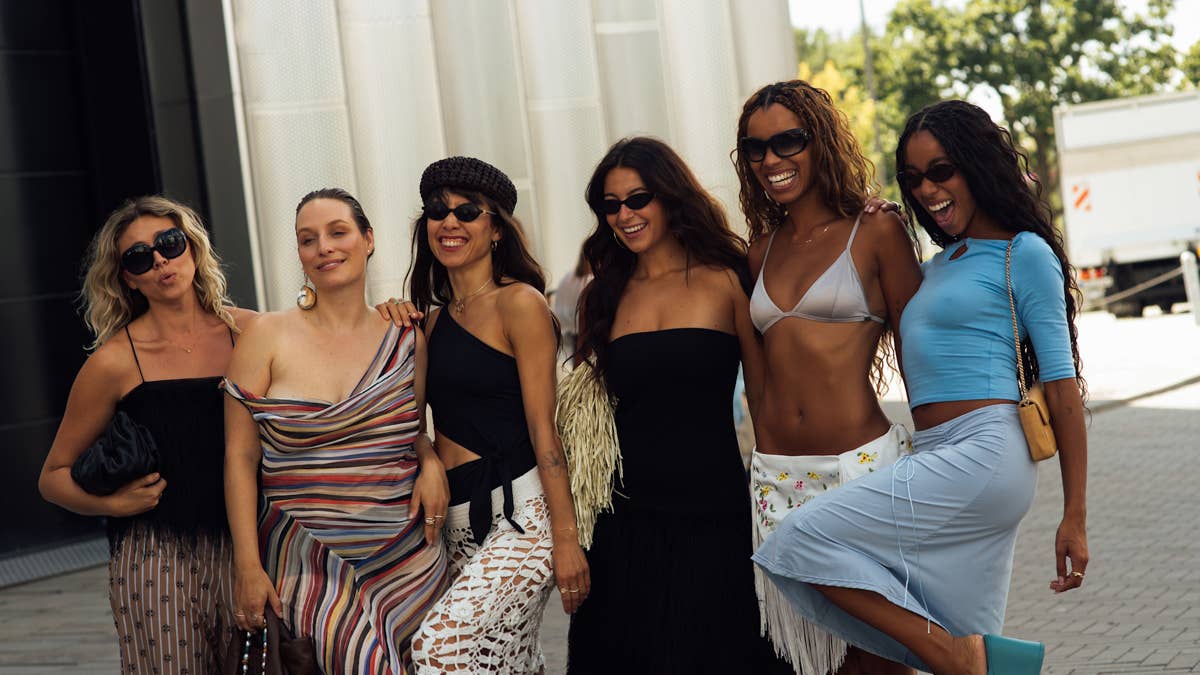
Fashionista's editorial team curated fourteen must-have pieces for late summer, offering a blueprint for readers preparing their wardrobes ahead of New York Fashion Week. The selection reflects the publication's eye for both foundational basics and statement accessories that define the transition between seasons.
The roster includes an adjustable tassel necklace, a piece that signals the return of maximalist jewelry trends dominating luxury markets. Tassel jewelry has resurged through designer collections at Bottega Veneta and JW Anderson, moving beyond bohemian associations into refined minimalist aesthetics. An adjustable fit appeals to versatility obsessives, allowing single pieces to work across necklines and occasions.
An asymmetrical lace camisole appears on the list, tapping into the ongoing evolution of directional silhouettes. Asymmetry remains a core design language at houses like Coperni and Monse, where intentional imbalance creates visual tension and signals design sophistication. Lace camisoles specifically address the slip dress momentum that persists from spring runways, while asymmetry elevates the piece beyond basic layering territory into statement-making territory.
Square-toe ballet flats round out the accessories focus. This hybrid silhouette merges ballet's delicate heritage with architectural footwear trends that peaked during fall 2023 collections. Brands including Prada and The Row have championed square-toed ballet flats as investment pieces that modernize classic silhouettes without discarding their elegance. The square toe softens ballet's traditional pointed arch, creating a distinctly 2024 profile that reads contemporary rather than retro.
The emphasis on these three categories—jewelry, tops, and footwear—reflects editorial understanding of how readers actually build wardrobes. Rather than prescribing complete outfits, the piece isolates key pieces that function across multiple combinations. This approach aligns with how contemporary shopping operates: consumers hunt for versatile items that layer efficiently and work across seasons.
The timing matters considerably. Pre-NYFW shopping lists serve multiple functions within fashion media. They establish editorial credibility by demonstrating insider knowledge of what's coming down runways. They position Fashionista readers as ahead-of-trend. They drive traffic to retail partnerships and affiliate links. Most importantly, they frame the publication's aesthetic philosophy for audiences planning their own seasonal investments.
August shopping lists traditionally capture the transition moment when summer inventory clears and fall pieces arrive. This window creates urgency and opportunity simultaneously. Editors weaponize this moment to highlight pieces that work in both seasons, maximizing their perceived value to readers facing real budget constraints.
The curation also reflects broader industry shifts toward quality minimalism. Rather than volume recommendations, contemporary fashion editing prizes selectivity. Fashionista's fourteen-item list proposes that readers need fewer pieces chosen with intention. This philosophy counters fast fashion abundance while acknowledging that most closets already overflow.
For retailers, editorial placement in Fashionista's shopping lists functions as significant validation. These recommendations reach style-conscious consumers actively seeking purchasing guidance. Placement signals to both consumers and competitors that pieces merit attention as defining seasonal trends.
The piece ultimately serves as both service journalism and trend forecasting. Readers gain shopping direction. The publication establishes authority entering NYFW season. Brands secure visibility. This symbiotic relationship defines contemporary fashion media's commercial reality.