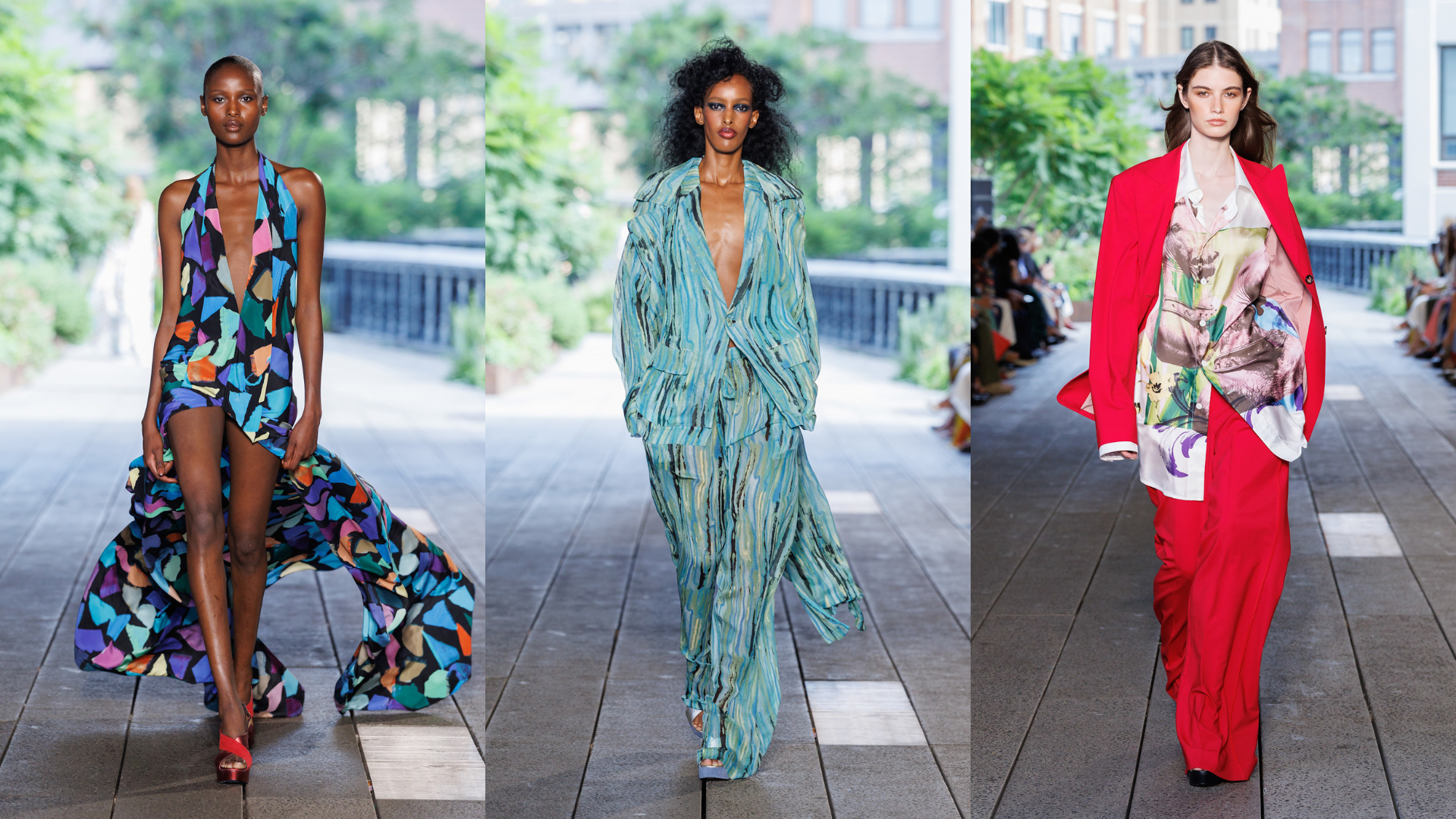
Henry Zankov steps into one of fashion's most storied creative roles as the new creative director of Diane von Furstenberg, and his Spring 2027 debut signals a deliberate pivot toward reviving the house's most potent visual language for Gen Z and millennial consumers.
Zankov, known for his meticulous approach to color and pattern, inherits a brand built on the wrap dress revolution and the fearless aesthetic that defined Diane von Furstenberg's empire since 1972. Rather than abandon that legacy, his inaugural collection mines the label's deep archival vault, extracting signature prints and the chromatic boldness that made DVF a staple of American luxury.
The Spring 2027 collection represents a calculated strategy. Fashion houses face constant pressure to either mythologize their founders or reinvent themselves entirely. Zankov chooses a third path: authenticity with refresh. By grounding the collection in archival DNA while recalibrating silhouettes and fabrication for contemporary tastes, he acknowledges that younger consumers want heritage brands to feel earned, not imposed.
The vibrant color palettes Zankov emphasizes reflect DVF's core identity. Von Furstenberg never trafficked in muted restraint. Her aesthetic thrived on jewel tones, bold contrasts, and patterns that commanded attention. This wasn't minimalism. This was confidence dressed in silk. Zankov appears to understand that distinction, a critical insight for a designer taking the helm of an American institution.
What makes this transition noteworthy extends beyond creative direction. The fashion industry continues to wrestle with founder transitions. Tom Ford's stewardship of Gucci, Hedi Slimane's reshaping of Saint Laurent, and Pierpaolo Piccioli's Valentino all demonstrate how new creative voices can either honor or dismantle a brand's foundation. Zankov's archival approach suggests respect for von Furstenberg's vision while maintaining space for his own perspective.
The New York base matters too. DVF has always been intrinsically tied to New York City, the city where von Furstenberg built her empire and where American fashion maintains its center of gravity. Keeping production and creative operations there grounds the brand in authenticity rather than chasing manufacturing economics overseas.
For a house that built its reputation on dressing powerful women, the challenge centers on speaking to new generations who access fashion through digital channels, who value sustainability and transparency, and who reject exclusivity as a selling point. The wrap dress, perhaps fashion's most democratic luxury item, remains DVF's north star. That silhouette transcends generational lines. It works across body types. It communicates both accessibility and sophistication.
Zankov's Spring 2027 debut arrives as heritage brands face unprecedented scrutiny. Fast fashion and direct-to-consumer brands have fragmented the luxury market. Younger consumers question whether heritage justifies premium pricing. DVF's answer rests partly on the foundation Zankov builds now. Collections that feel fresh rather than nostalgic, that push print and color forward rather than backward, that acknowledge contemporary culture without abandoning the code that built the house.
The archival prints aren't window dressing here. They're a promise. Zankov signals that he understands what made DVF matter. The vibrant color palettes show he grasps how to make those foundational ideas speak to 2027 rather than 1977. That balance defines whether his tenure becomes a restoration or a renaissance.