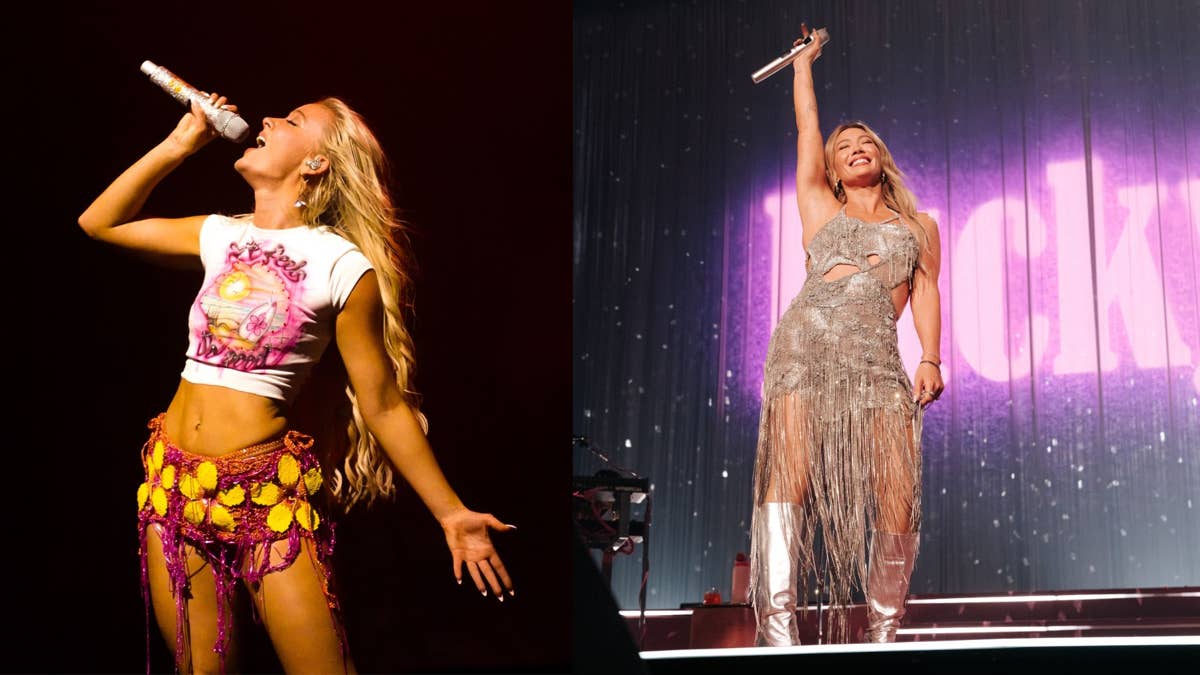
Paul Aaron operates in the narrow space between artisanal craft and commercial viability, hand-weaving sparkly stage looks for pop stars like Zara Larsson and Hilary Duff while struggling to achieve financial sustainability. The British knitwear designer represents a growing cohort of emerging talent who command celebrity attention but lack the infrastructure to translate prestige into profit.
Aaron's practice centers on a labor-intensive approach. Each piece emerges from hand-weaving techniques that allow him to embed sequins, beads, and metallic threads directly into fabric. The method produces show-stopping results. Larsson and Duff have worn his designs on stage and red carpets, generating significant social media reach and industry credibility. Yet this visibility hasn't converted into revenue streams robust enough to sustain a full-time operation.
The paradox reflects a systemic tension in contemporary fashion. Celebrity dressing carries enormous cultural weight but generates minimal compensation compared to wholesale accounts or direct-to-consumer sales. A single Grammys performance wearing an Aaron creation reaches millions. The designer earns prestige, portfolio momentum, and Instagram followers. Direct payment often remains modest or nonexistent, with exposure serving as the primary currency.
Aaron's model mirrors a broader crisis facing independent designers. The path from emerging talent to established brand has compressed. Platforms like Instagram collapse the time between discovery and expectation of commercial scale. Brands need followers; followers need content. Celebrities need distinctive pieces. Designers need capital. The ecosystem rewards attention over economics.
Hand-weaving presents particular challenges. Each garment requires days of labor. Material costs for quality sequins and metallic yarns run high. Production timelines stretch. A designer cannot move volume quickly. The numbers rarely work when margins depend on handcraft. Mass production, which would improve unit economics, contradicts the artisanal identity that attracts celebrity clients in the first place.
Yet Aaron persists. Dressing Larsson and Duff positions him within an elite network. These placements open conversations with stylists, talent teams, and other artists seeking distinctive pieces. The work builds reputation capital. It signals technical skill and aesthetic sensibility. It proves he can execute at a professional level under deadline pressure.
The question for emerging knitwear designers like Aaron involves sustainability strategy. Options include shifting toward limited capsule collections sold at luxury price points. Collaborating with established brands to handle production and distribution. Licensing designs to larger manufacturers. Teaching to generate steady income while maintaining a smaller creative practice. Or scaling hand-weaving through a team, which introduces management complexity and dilutes the hand-crafted narrative.
Aaron's trajectory reflects how contemporary fashion rewards talent unevenly. A designer can dress superstars yet struggle to pay rent. The red carpet demands novelty and artistry. Commercial infrastructure demands volume and efficiency. These forces rarely align within independent practice.
For now, Aaron continues. Celebrity clients provide validation. The hand-weaving continues. The bills present a separate problem. His emergence as a knitwear talent with A-list clientele indicates the fashion industry recognizes his work. Converting that recognition into sustainable business remains the test ahead.