Swiss luxury watch exports grew 2.7% in 2026, rebounding from a challenging 2025. Emerging markets drove the recovery, with India up 28.5%, Thailand up 8.6%, and Mexico up 6.2%, while traditional strongholds contracted. China fell 5.9% and Saudi Arabia dropped 10.3%.
The Vogue Business Watch Index, which ranks twenty brands across consumer sentiment, digital marketing, and innovation metrics, reveals shifting priorities for the industry. In China, 55% of luxury watch consumers surveyed bought themselves a timepiece to celebrate their birthday, underscoring the importance of understanding local cultural behaviors.
Cartier retained the top position for the third consecutive year. The brand appointed Thai actor PP Krit Amnuaydechkorn as a brand ambassador this summer, joining singers and actors Jeff Satur, Kimberley Anne Woltemas, and Tor Thanapob Leeratanakachorn. The move bolstered Cartier's Instagram presence and gained ground on TikTok, though consumer perception declined slightly in innovation, value for money, and experience.
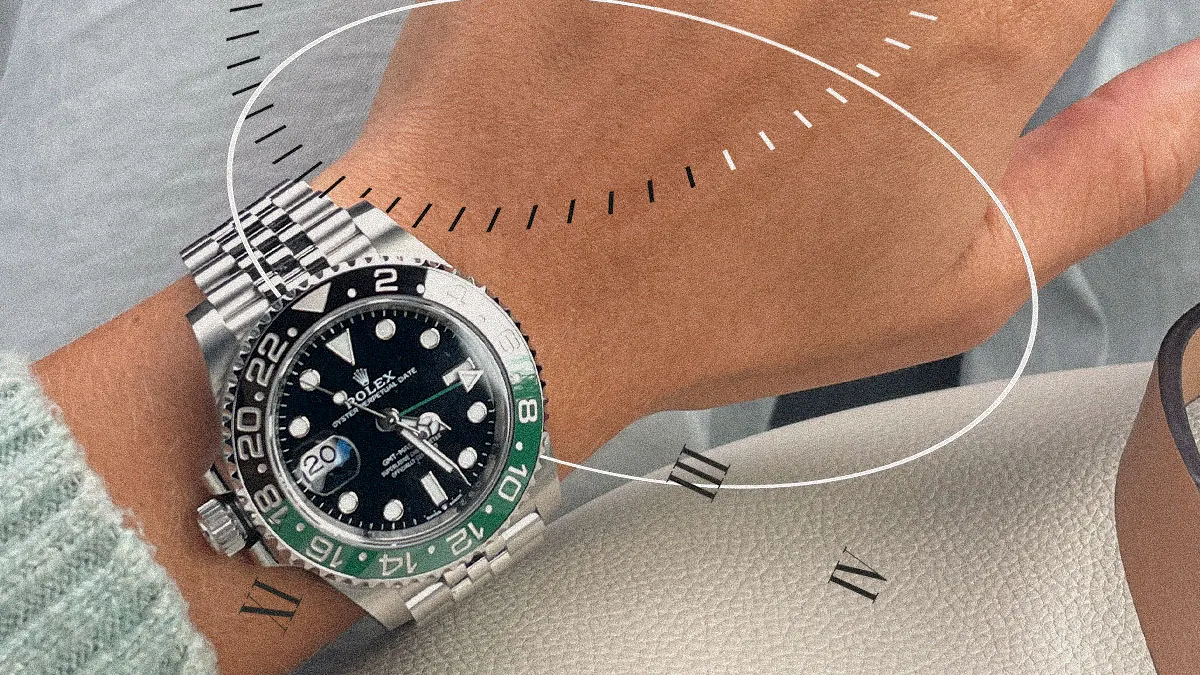
Rolex secured second place with improved consumer perception and the highest purchase intent in the rankings. Its certified pre-owned program at official stockists positions the brand to capture demand in the growing pre-loved market. The brand posted steady gains across Western social platforms.
Omega narrowly missed second place. High-profile collaborations, including James Bond and Spectre partnerships, drove awareness and digital performance, though omnichannel features and innovation scores left room for growth.
Tag Heuer held fourth position after entering the top five last year, benefiting from gains in quality perception and purchase intent during a period of rising price sensitivity.
IWC moved into the top five for the first time, ranking second in both digital marketing and innovation. Its Formula 1 partnership attracted female followers through the IWC.Inspired series celebrating women. A partnership with Watchfinder allows consumers to part-exchange pre-loved IWC watches when buying new models.
Consumer research surveyed 1,020 luxury watch consumers across seven markets. Sixty percent spent between €1,500 and €4,999 on luxury watches in the last five years, while 40% spent over €5,000. Direct brand purchases accounted for 47.8% of recent transactions, with multibrand specialists capturing 22.5%.
Brands face pressure to strengthen omnichannel experiences and adapt to emerging discovery channels. Digital product passports and authentication services support resale demand, though price sensitivity emerges as the primary driver. Luxury watch brands compete against rising demand for pre-loved timepieces while maintaining primary market sales.