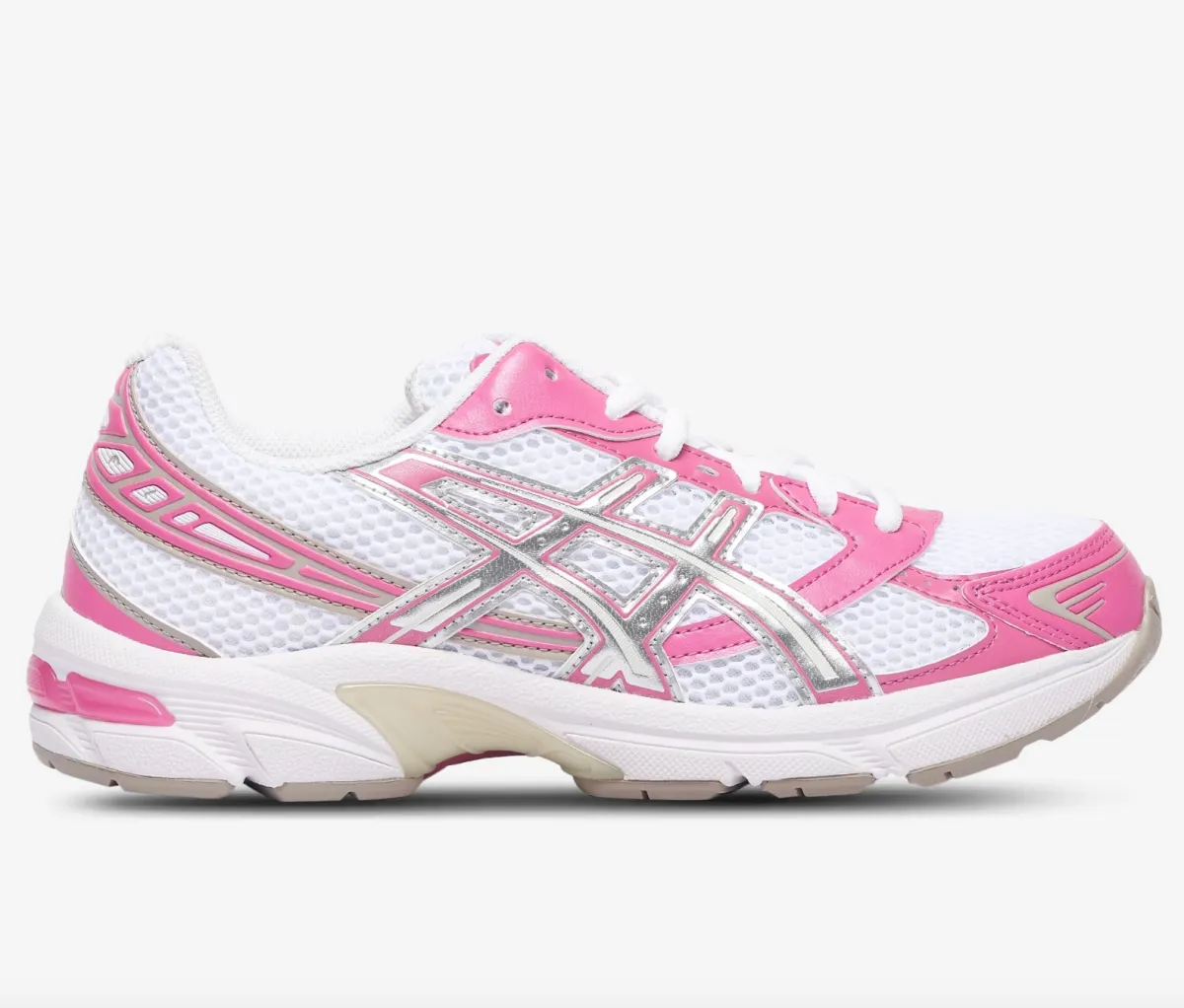
A 14.34 percent share price plunge on Friday—the steepest decline since August 2024—tells us that investors are losing patience with Asics, despite what should be celebrated as genuinely strong operational performance. The company's third quarter net sales of 805.1 billion yen, up from 625 billion yen a year ago, and quarterly profit of 114.7 billion yen, up from 86.3 billion yen, represent meaningful growth. Yet the market punished Asics for maintaining full-year operating income guidance at 195 billion yen when analysts expected 199.72 billion. This gap reveals a credibility problem that transcends the numbers themselves.
The real issue is one of momentum perception. Asics showed impressive regional strength—Japan up 24.2 percent, North America up 25.5 percent, and Europe surging 37.3 percent. Performance running grew 15.8 percent year-over-year. SportStyle exploded 70 percent. The Onitsuka Tiger subsidiary delivered 34.6 percent growth. These are not the metrics of a company in decline. Yet by keeping its net sales and profit guidance unchanged from the second quarter results—projecting fiscal year net sales at 1.050 trillion yen and profit at 120.0 billion yen—Asics signaled to the market that growth may be decelerating. For investors accustomed to positive surprises, unchanged guidance after such strong execution feels like a letdown.
The company's 68-page mid-term plan through 2029 attempts to paint a future-focused picture, including the planned January 2027 spin-off of Onitsuka Tiger. But strategic ambitions mean little if quarterly performance cannot consistently beat expectations. Asics acknowledged the need to 'stay ahead of dynamic shifts in geopolitics and consumer behavior,' and emphasized building 'stronger consumer connections through brand experience, in addition to products.' These are sensible priorities, yet they sound defensive rather than offensive.
Here's what must happen next: Asics needs to raise its guidance or demonstrate why conservative projections are actually justified. The company cannot maintain market confidence by delivering strong results while signaling that better growth is unlikely. If the 1.050 trillion yen net sales projection and 120.0 billion yen profit forecast represent genuine ceilings, Asics must explain the structural headwinds that prevent further acceleration. If they represent conservative estimates with upside potential, the company should adjust them accordingly.
The market is asking a fair question: Are these strong Q3 results the new normal, or are they outliers that shouldn't be extrapolated? Until Asics clarifies its growth trajectory and recalibrates expectations accordingly, shareholders will remain skeptical. Friday's selloff is a warning that operational excellence alone cannot sustain valuations—investors demand both performance and believable forward guidance.