# Stylish Boots Transform Witch Costumes Into Runway-Ready Looks
Halloween's perennial favorite costume takes on new sophistication when paired with designer footwear. The witch aesthetic, long a staple of seasonal dressing, has evolved beyond costume shop basics into a legitimate fashion moment anchored by runway-approved boots.
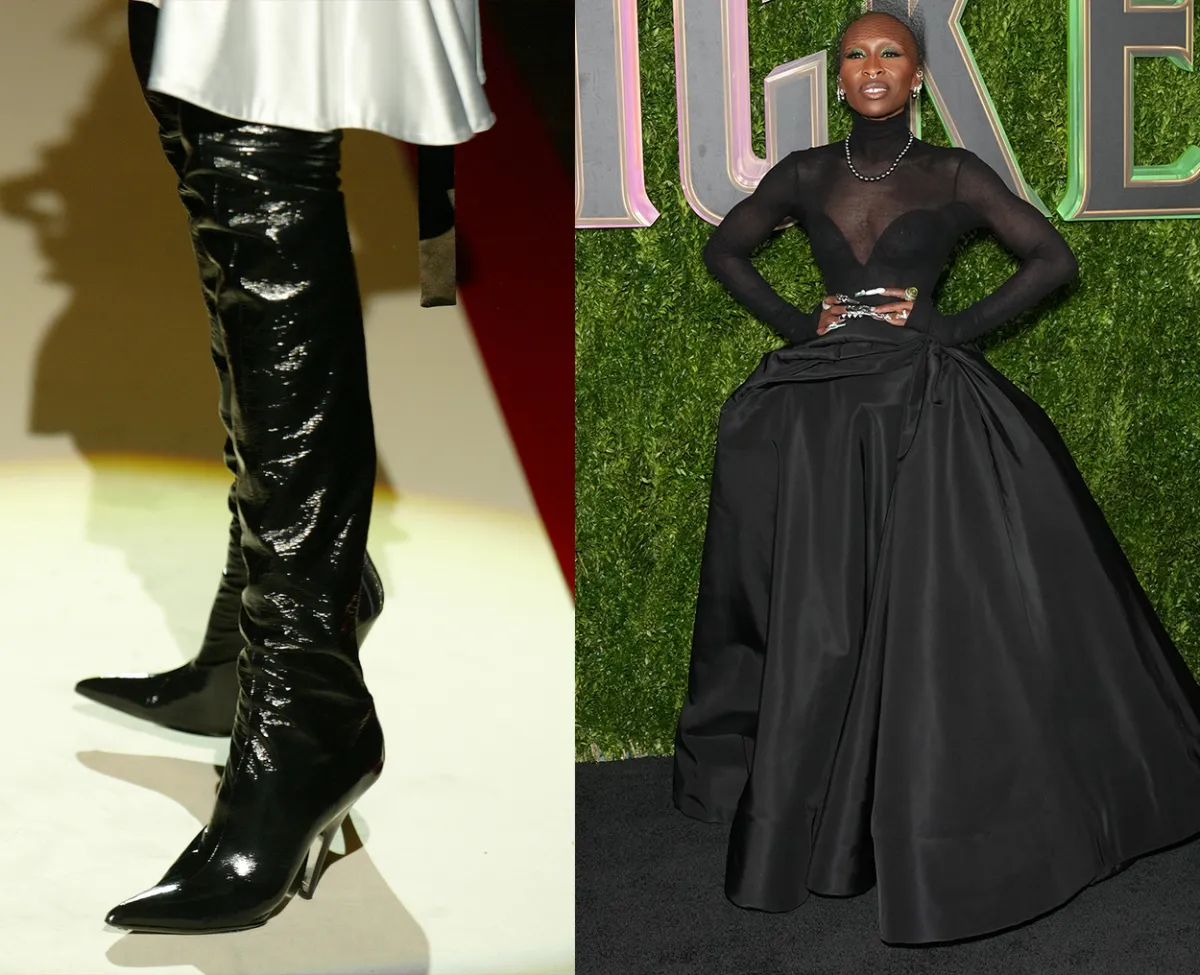
Fashion designers have consistently mined witchcraft imagery for inspiration, treating it not as campy novelty but as a vehicle for exploring silhouettes, materials, and dark romanticism. Pointed toes, dramatic heels, buckled straps, and luxe finishes transform what could be a throwaway costume into a statement piece. When a witch costume incorporates actual designer boots from collections by houses known for dark aesthetic sensibilities, the entire look shifts from party costume to editorial spread.
The logic works both directions. Designers like Alexander McQueen, Rick Owens, and Iris van Herpen have built entire collections around witchcraft codes: sharp geometries, architectural constructions, and an undercurrent of controlled menace. Their boots feature exaggerated proportions, unusual heel placements, and materials that catch light in unsettling ways. A customer shopping these pieces for Halloween costume purposes isn't compromising on quality or design. They're accessing the exact same runway product that fashion editors and celebrities wear outside October.
This convergence reflects a broader shift in how costume operates in fashion. The line between costume and avant-garde womenswear has thinned considerably. Balenciaga's theatrical presentations, Schiaparelli's surrealist accessories, and Yohji Yamamoto's deconstructed tailoring all contain costume elements. When someone dresses as a witch using Rick Owens boots and a well-cut black dress, they're not dressing down. They're dressing within fashion's own logic.
The practical appeal extends beyond aesthetics. High-quality boots work year-round. A boot purchased for October's witch costume becomes January's go-to for tonal black styling, February's companion to midi skirts, March's foundation for transitional dressing. The costume justification provides cover for what is actually an investment purchase. It becomes easier to rationalize spending on pointed-toe boots or dramatic stilettos when they're ostensibly for Halloween, even when the wearer knows they'll reach for them constantly.
Witch costumes also require minimal additional pieces to register as complete. A well-chosen boot does tremendous work. Pair it with black clothing already in the closet, add a hat or accessory, and the transformation completes itself. For costume shoppers, this efficiency matters. For fashion consumers, it explains why designers continue producing witchy footwear options across price tiers. The market recognizes that these boots serve multiple purposes and seasons.
Halloween costume shopping has become an acceptable entry point to higher-end fashion for segments of consumers who might otherwise feel that investment shopping lacks justification. The seasonal lens provides permission. And because witchcraft aesthetics align with luxury fashion's gothic and romantic traditions, the boots marketed for Halloween function identically to those marketed for runway wear. There's no quality or design compromise involved. The wearer simply accesses the same pieces through a different frame, one that feels more playful and less didactic than "investment basics" or "statement footwear."
The result benefits everyone involved. Designers reach new customers. Retailers expand their seasonal reach. And consumers gain access to quality boots they'll actually wear beyond October 31st.