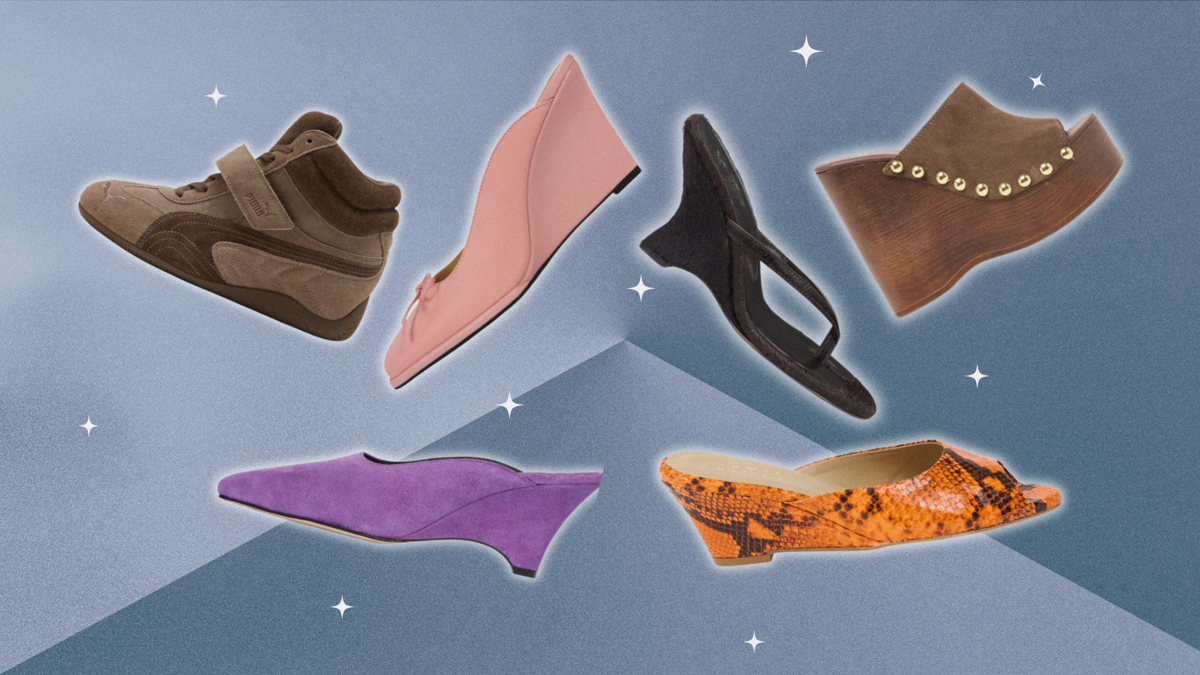
# Wedges Are Having Their Moment — Again
Wedges have returned to the fashion forefront with unexpected momentum. The silhouette, once relegated to mall-tier casualwear, now dominates luxury collections and street style alike. Designers recognize what consumers already know: the wedge delivers on comfort, proportion, and visual impact simultaneously.
The comeback makes structural sense. Wedges offer the height of a heel without the instability. They distribute weight across a broader base, making them genuinely wearable for extended periods. This practicality matters in a fashion landscape increasingly skeptical of form-over-function footwear. After years of sharp stilettos and minimal sandals, the wedge's engineering reads as refreshingly intelligent.
Luxury houses have embraced the category with conviction. Contemporary designers treat wedges not as compromise shoes but as architectural statements. Thick suede iterations, elevated platform versions, and wedges in unexpected materials like mesh or metallics signal that the silhouette carries cultural currency again. What distinguishes today's wedges from their 2000s iterations: proportion. Modern wedges tend toward cleaner lines, stronger geometry, and less obvious "platform" branding.
Street style photographers capture wedges on fashion editors, model-off-duty types, and industry insiders with regularity. The shoe works across dress codes. A chunky wedge sandal pairs with tailored trousers and minimalist dressing. A sleek wedge sneaker grounds oversized silhouettes. Even evening-appropriate wedge heels exist, particularly in metallic finishes or embellished versions.
The trend intersects with broader footwear philosophy shifts. Consumers reject the false binary between style and comfort. Balletcore demanded beautiful flat shoes. Quiet luxury emphasized understated footwear. Now the wedge bridges these conversations: it's inherently conservative in proportion, offers genuine wearability, and reads as intentional rather than compensatory.
Seasonality drives the timing too. Wedges command presence in spring and summer collections, where sandal wedges and strappy versions flourish. They transition seamlessly into fall through ankle-height designs and booted wedges in suede. Winter wedges in leather or weather-resistant materials keep the silhouette current year-round.
Retail reflects the momentum. Department stores dedicate shelf space to wedge sandals, wedge sneakers, and wedge boots from both established and emerging labels. Direct-to-consumer brands feature them prominently. The category transcends price point. Budget-friendly versions exist alongside luxury iterations, making wedges accessible to multiple demographics simultaneously.
The generational aspect cannot be ignored. Millennials and Gen X consumers remember the 2000s wedge boom fondly. Gen Z approaches the silhouette fresh, free of nostalgia baggage, treating it as a contemporary innovation. This cross-generational appeal strengthens the trend's staying power.
Fashion operates in cycles, certainly, but this particular return suggests wedges have earned permanent real estate in footwear assortments. They solve practical problems while delivering aesthetic reward. They work across body types and style vocabularies. They age well conceptually and physically. These attributes ensure longevity beyond fleeting seasonal trends.
The wedge's ascent reflects mature consumer thinking. Fashion-forward dressing no longer demands suffering. Shoes can be beautiful and comfortable. Proportions can be bold and balanced simultaneously. Trends can revisit the past while feeling entirely contemporary. Wedges satisfy all three propositions at once.