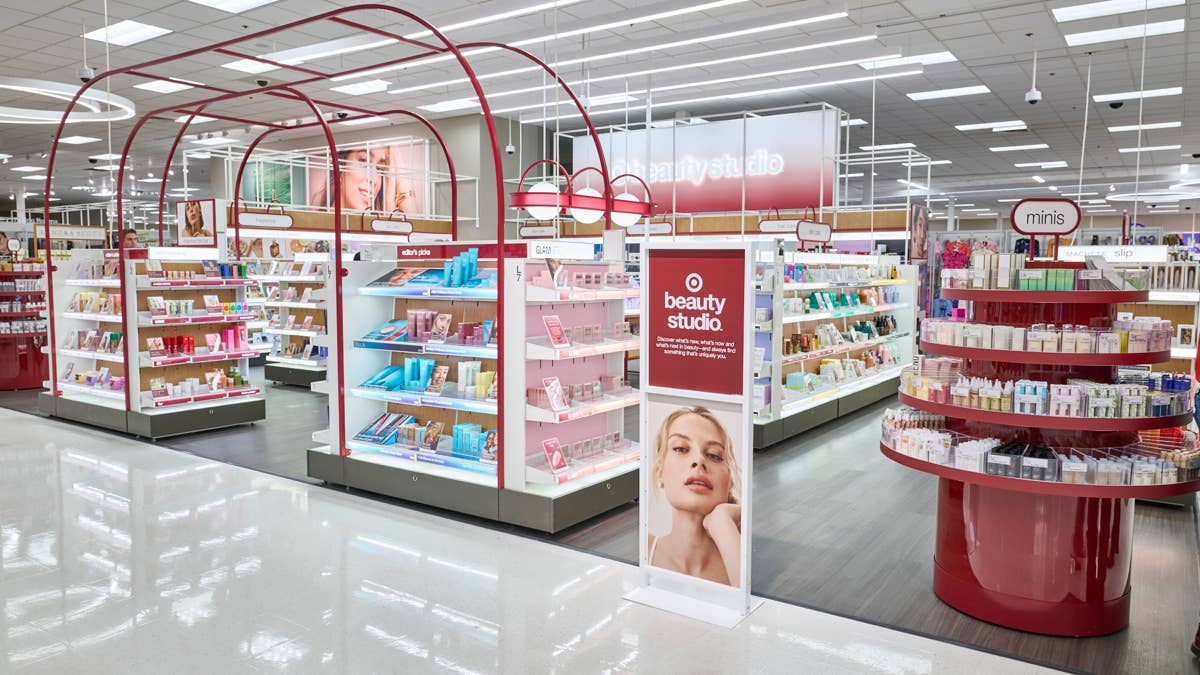
Target is betting on an experiential play to reclaim ground in beauty. The retailer launched its new Beauty Studio concept across select stores this week, positioning itself as a destination for makeup application, skincare consultation, and personalized product discovery. The move arrives at a fraught moment for the company.
The Beauty Studio service centers on trained associates who offer complimentary makeup application and skincare assessments in dedicated in-store spaces. Customers can test products before buying, a tactic designed to compete with Sephora's standalone stores and department store beauty counters. Target operates the Studios in partnership with existing beauty brands stocked in its assortment, essentially turning retail staff into brand ambassadors without adding massive overhead.
The initiative matters because Target's beauty sales have stalled relative to competitors. Sephora now dominates the prestige-to-mid-range market through its flagship model and Ulta Beauty controls both prestige and drugstore categories. Target's beauty section remains scattered across departments, with limited discovery mechanisms. The Beauty Studio attempts to consolidate that experience and create reasons for shoppers to linger.
Yet the timing complicates the message. Target recently scaled back several diversity, equity, and inclusion programs after facing political backlash and calls for boycotts. The company removed Pride-themed merchandise from stores and discontinued LGBTQ+-focused marketing campaigns. Fashionista's reporting notes that questions about representation now shadow any customer-facing initiative from the retailer.
Beauty retail hinges on inclusion. The industry has spent a decade correcting a legacy of excluding customers with darker skin tones from shade ranges and marketing imagery. Brands like Fenty Beauty disrupted the sector by launching with 40 shades across skin tones. That became the floor, not the ceiling. When retailers pare back DEI work, beauty customers notice. They also remember.
Target's stores employ 415,000 people, making it one of the largest beauty employers in America. How those associates reflect customer demographics matters. How those same associates recommend products to different customer groups matters more. A Beauty Studio that looks whiter or caters narrowly will signal exclusion, regardless of product breadth.
The retailer has not communicated its approach to ensuring diverse representation within the Beauty Studio program. That silence invites scrutiny. Sephora's entry into Target stores (a partnership beginning in 2021) raised similar questions. Sephora's track record on shade inclusivity improved substantially after Rihanna's Fenty launch shamed competitors into action, but the brand's marketing has sometimes reverted to narrower representation depending on campaign and market.
Target's beauty ambition is sound. The American beauty market grew 5.3 percent in 2023 to reach $68.3 billion, per the Beauty Industry Growth Coalition. Experiential retail drives conversion. Consultative selling works. The question is whether Target can execute a Beauty Studio that genuinely reflects its customer base while the company simultaneously retreats from formal commitments to diversity and inclusion.
That contradiction will define whether the Beauty Studio becomes a destination or a liability.