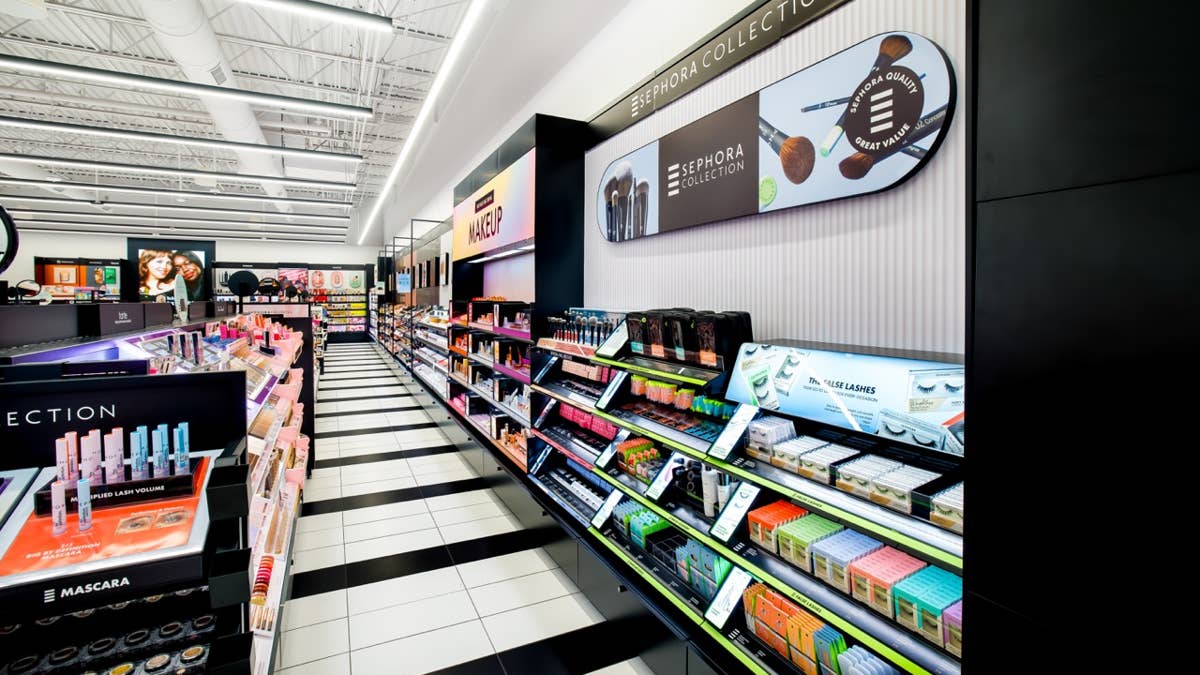
Beauty brands face mounting pressure to maintain retail shelf space as the economics of traditional distribution have shifted dramatically. Retail placement, once celebrated as a marker of brand arrival, now demands stricter margins, higher inventory commitments, and aggressive performance benchmarks that strain smaller and emerging labels.
The challenge extends beyond initial placement. Brands must navigate complex inventory requirements set by retailers, maintain consistent sales velocity to justify shelf real estate, and absorb costs that compress already-thin profit margins. These financial pressures force many beauty companies to reassess whether traditional retail distribution aligns with their business models and growth strategies.
The retail landscape has tightened considerably. Retailers demand faster inventory turns and higher margins from suppliers, shifting risk away from stores and onto brands themselves. This creates a paradox: brands need retail visibility to reach mainstream consumers, yet the financial terms required to secure and maintain that visibility often undermine profitability.
Smaller beauty brands particularly struggle with these economics. They lack the negotiating power of established players and cannot absorb the costs of unsold inventory or slotting fees as easily. Many emerging brands have pivoted toward direct-to-consumer channels, where they retain higher margins and control over customer experience, even if they sacrifice the volume and credibility that come with retail placement.
The shift reflects broader changes in how consumers discover and purchase beauty products. Digital channels, influencer marketing, and online communities have reduced dependence on traditional retail discovery. Brands can now build substantial followings without ever securing department store or specialty retail shelf space.
This recalibration challenges the conventional wisdom that retail placement represents ultimate success. For many brands, the real question is no longer how to get into retail, but whether retail's financial demands make the investment worthwhile compared to alternative distribution strategies that offer better margins and customer control.