# Sony's Fred Astaire Biopic Assembles A-List Cast With Tom Holland, Margaret Qualley, and Sabrina Carpenter
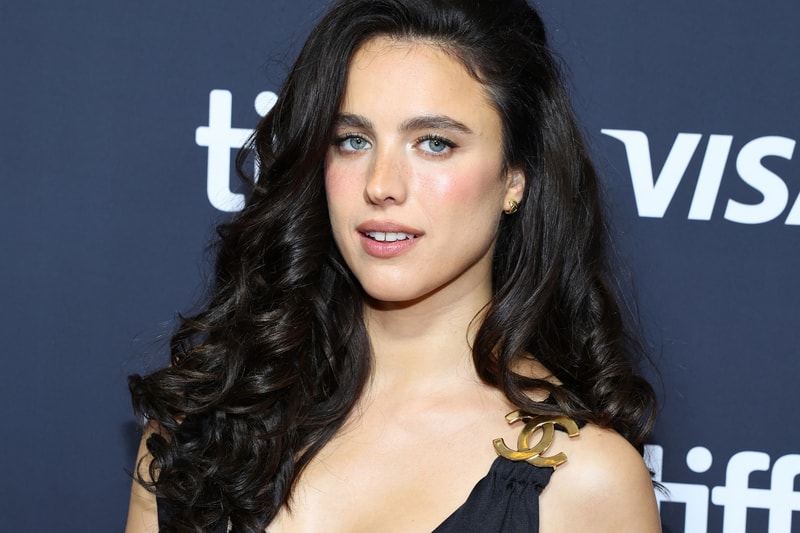
Tom Holland will dance his way into cinema history as Fred Astaire in Sony Pictures' highly anticipated biopic, now featuring Margaret Qualley and Sabrina Carpenter in key supporting roles. Qualley takes on Adele Astaire, the legendary dancer's sister and early career partner, while Carpenter portrays Ginger Rogers, Astaire's most iconic dance collaborator. Director Paul King, known for his work on the Paddington films, helms the project.
The casting signals Sony's commitment to elevating the biopic beyond standard prestige fare into a star vehicle with genuine box office draw. Holland brings established Hollywood currency following his massive Spider-Man success. Qualley, who recently demonstrated dramatic range in films like Sanctuary and the television series The Leftovers, offers credibility in character work. Carpenter represents the studio's investment in appealing to younger audiences. Her crossover from pop stardom to acting roles positions her as a generation-bridging star.
The Astaire biopic has cycled through development hell for years. That Paul King now directs the project marks a significant creative statement. King's meticulous, character-driven approach on Paddington and Paddington 2 proved his capacity to blend spectacle with emotional depth. His sensibility suits a subject like Astaire, whose on-screen presence depended on technical mastery fused with human vulnerability.
The Fred Astaire story itself remains endlessly compelling for cinema. His partnership with Rogers across ten films in the 1930s defined the Hollywood musical. His relationship with his sister Adele shaped his early career before she retired from performance. His later work with other partners, including Audrey Hepburn and Cyd Charisse, extended his relevance across decades. Astaire's perfectionism, his struggle with aging in an industry obsessed with youth, and his reinvention as a television star all provide narrative texture.
Qualley's casting as Adele holds particular interest. Adele Astaire often occupies the footnote position in dance history, overshadowed by her brother's later fame. Her role in their early Broadway success and early film work deserves proper examination. Qualley brings the ability to portray complex family dynamics and the specific pain of a performer whose peak years pass early.
Carpenter as Rogers invites comparison to other actresses who have played the role in various projects. Rogers herself lived until 1995, meaning contemporary audiences retain living memory of her persona. Carpenter must navigate the balance between honoring Rogers' own formidable talent and supporting the Astaire narrative. Rogers often played comedic foils or romantic interests in their pairings, though her dance capability matched Astaire's. The biopic offers opportunity to reframe their partnership with more equity.
The project currently carries no release date, suggesting production remains in early stages. Given the demands of choreography, which will likely play a central role, extended pre-production timelines make sense. Holland and Carpenter will both require dance training or augmentation to convincingly portray their roles. The technical requirements of recreating Astaire's signature routines demand serious investment.
Sony's backing positions this as a prestige release with commercial ambitions. The studio controls both art house sensibility through King's involvement and mainstream appeal through the cast. Whether the film ultimately lands depends on its ability to honor Astaire's legacy while finding the human story underneath the spectacle.