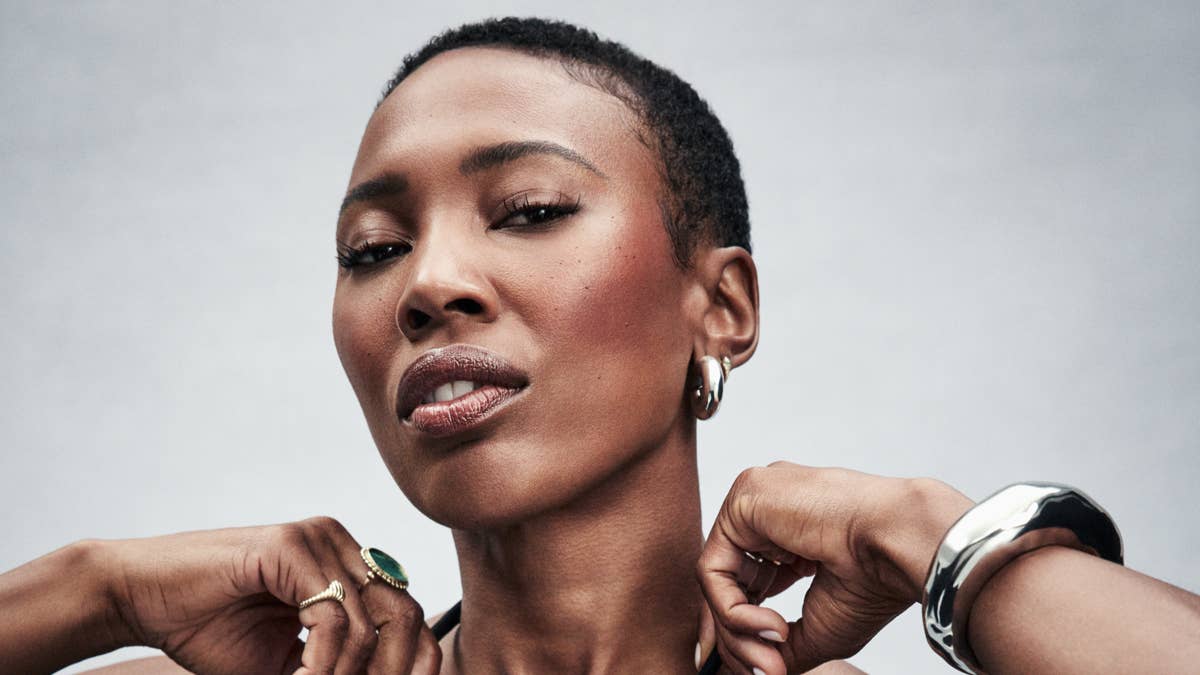
Zerina Akers, the stylist responsible for orchestrating Beyoncé's most iconic red carpet moments, argues that fashion has become unnecessarily rigid. In a candid conversation, Akers pushes back against the industry's tendency toward perfectionism and control, advocating instead for spontaneity, experimentation, and play.
Akers' philosophy marks a departure from traditional celebrity styling, where every detail receives meticulous oversight and nothing appears accidental. Her work with Beyoncé demonstrates this approach in action. Rather than defaulting to safe, expected choices, Akers gravitates toward bold silhouettes, unexpected color combinations, and pieces that carry narrative weight. Beyoncé's appearances under Akers' direction feel intentional yet liberated, a balance rarely achieved in mainstream celebrity fashion.
The stylist emphasizes collaboration as central to her practice. Working with Beyoncé involves constant dialogue, creative exchange, and mutual trust. This dynamic allows both parties to take risks without fear of misstep. Akers doesn't impose a singular vision onto her clients. Instead, she facilitates discovery, helping them understand what resonates personally rather than dictating what should work.
Celebrity dressing operates within particular constraints. Photographers, publicists, event coordinators, and brand partnerships all exert influence over final looks. Akers navigates these pressures while maintaining artistic integrity. She champions the idea that clothing serves the wearer first, not Instagram aesthetics or critical consensus. This client-centered approach stands in contrast to styling that prioritizes visual impact above all else.
For fall, Akers champions one specific wardrobe staple, though her endorsement reflects broader thinking about seasonality and practicality. Rather than chasing trends with militaristic precision, she advocates for investing in foundational pieces that genuinely serve your lifestyle. The specificity matters less than the underlying principle: dress for yourself, not for fashion month calendars or social media cycles.
Akers' messaging arrives at a moment when celebrity fashion feels increasingly performative. Trend cycles accelerate. Instagram influencers generate styling content at industrial speed. Fashion weeks dominate discourse. Against this noise, her call for lightness and authenticity resonates. She suggests that obsessive curation ultimately diminishes joy from dressing.
This perspective doesn't mean abandoning taste or technique. Akers remains a technical master, capable of crafting sophisticated looks that move between high fashion and accessible territory. Her point centers on intention and consciousness rather than recklessness. When you reduce fashion's stakes, paradoxically, better results often follow. Clothes stop feeling like armor or accomplishment and become simply an extension of self.
The celebrity styling world increasingly features voices questioning conventional hierarchies. Akers joins stylists like Law Roach and Wayman Bannerman in pushing clients toward self-expression over trends. This shift reflects broader cultural recalibration around authenticity and individuality in personal presentation.
Akers' influence extends beyond individual clients. As celebrity styling shapes broader fashion consumption, her perspective trickles down through fashion journalism, social media, and retail. When major tastemakers suggest that fashion needn't be serious, that exploration matters more than perfection, audiences grant themselves permission to experiment more freely.
The conversation about how celebrities should present themselves ultimately reflects conversations about how all of us should present ourselves. Akers' intervention strips away unnecessary pretense from both arenas.