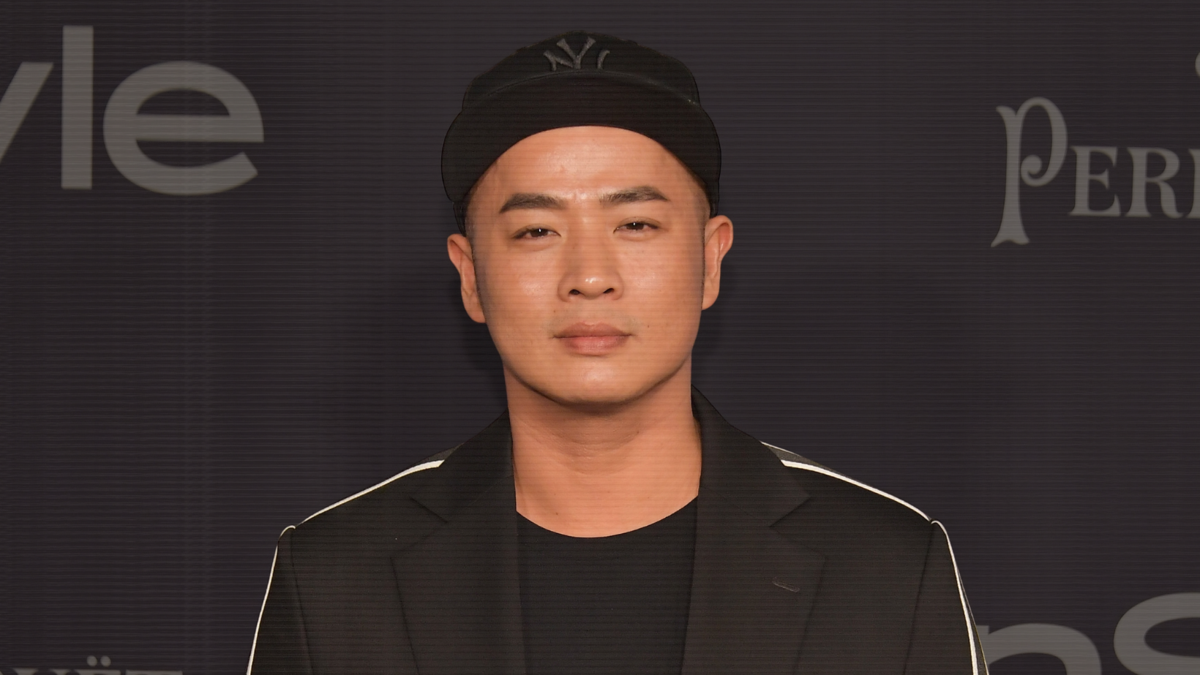
# Hung Vanngo's Secret: Professional Results Don't Require Luxury Price Tags
Makeup artist Hung Vanngo, the go-to beauty collaborator for A-list celebrities, proves that exceptional makeup application has nothing to do with how much you spend. In a recent interview, Vanngo pulls back the curtain on his arsenal of products, revealing that his most-trusted tools come from decidedly accessible brands rather than prestige beauty lines.
Vanngo has built a reputation as one of the industry's most sought-after makeup artists, creating looks for major red carpet moments and high-profile campaigns. His work spans everything from flawless base makeup to intricate editorial looks, yet his toolkit contradicts the luxury beauty narrative that dominates celebrity beauty coverage. The artist's willingness to discuss his affordable go-to products challenges the assumption that professional-grade results demand luxury price points.
The makeup artist's repeat beauty purchases span multiple categories. His complexion product selections emphasize reliability and performance over brand prestige. Vanngo values formulas that photograph well, blend seamlessly, and maintain their finish throughout long shoots and events. These criteria guide his choices far more than price tags or brand heritage.
What makes Vanngo's approach relevant to the broader beauty industry is his influence on consumer expectations. Celebrity makeup artists shape beauty trends significantly. When artists of Vanngo's caliber publicly endorse affordable options, it validates budget-conscious shopping decisions for consumers who follow celebrity culture. The message translates simply: investment pieces matter less than application skill and product knowledge.
This shift reflects larger industry movements. Prestige beauty brands have faced increasing pressure from affordable alternatives offering comparable quality. Mass-market brands have invested heavily in research and development, closing the performance gap with luxury counterparts. Drugstore brands now compete directly with department store offerings, with many consumers unable to discern quality differences in finished looks.
Vanngo's professional perspective also emphasizes the relationship between an artist's technique and product performance. A skilled makeup artist can achieve exceptional results with less expensive tools because they understand how products layer, blend, and photograph. Conversely, luxury products cannot compensate for poor application technique. This reality remains invisible to consumers who assume expensive equals better.
The beauty industry watches closely when influential artists shift their public product choices. Vanngo's openness about his affordable preferences signals broader acceptance within professional circles that tool quality and brand name operate independently. Other makeup artists may follow suit, either confirming their existing affordable product usage or reconsidering their professional kit composition.
For beauty retailers and brands, this development matters strategically. Affordable beauty brands gain credibility through professional endorsement, potentially driving significant retail growth. Prestige brands must justify higher price points beyond brand legacy or packaging aesthetics. Educational content about application technique becomes increasingly valuable as the quality conversation shifts from price to skill.
Vanngo's approach ultimately reflects modern beauty culture's evolution toward transparency and accessibility. Professional makeup artistry remains a specialized skill, but the tools themselves have democratized. His repeat purchases from affordable lines demonstrate that creating magazine-worthy and red carpet-ready makeup depends on understanding formulation, color theory, and application methodology rather than luxury consumption. The insight extends beyond his celebrity clientele to influence how everyday consumers evaluate their own beauty purchases.