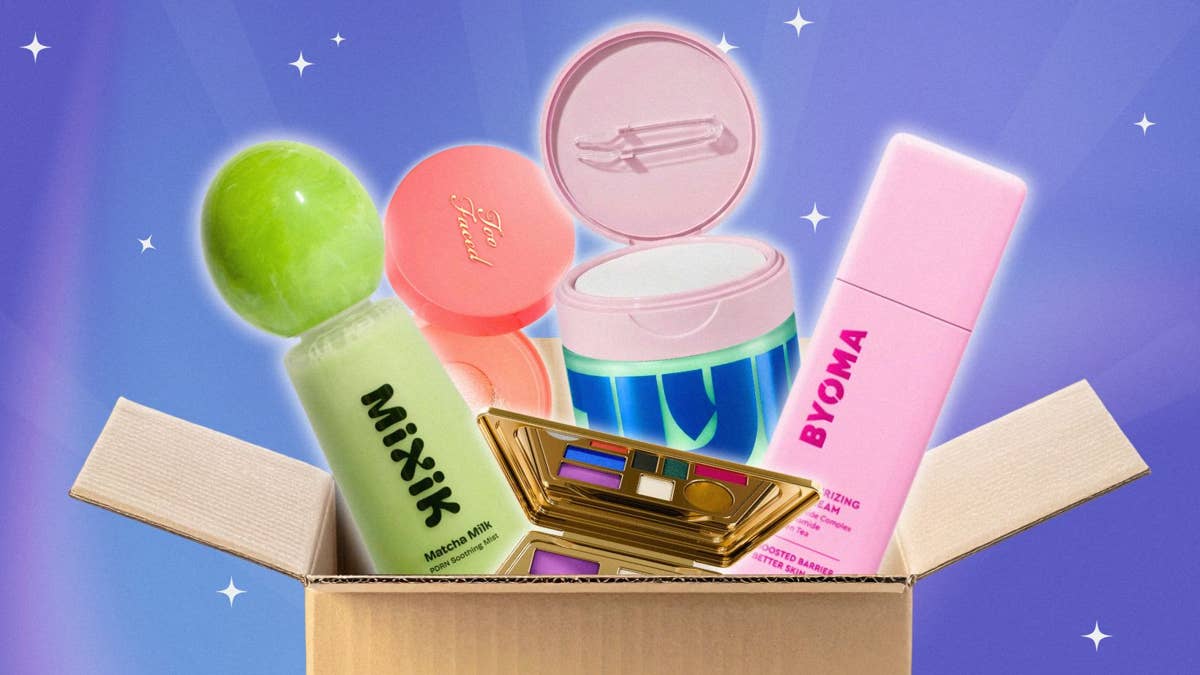
# How Beauty Became Obsessed With Bold, Expressive Packaging
The beauty industry has undergone a seismic shift in how it approaches packaging design. What once served as mere product protection now functions as a storytelling device, a social media asset, and a brand manifesto all wrapped into one. In 2026, packaging design has become the frontline of brand identity, where every color choice, typeface decision, and material selection carries intentional emotional weight.
Brands recognize that packaging now operates across multiple consumer touchpoints simultaneously. A product lives on a store shelf, travels through unboxing videos on TikTok, and appears in Instagram feeds. This omnipresence demands packaging that works as hard as the product itself. The shift reflects broader changes in consumer behavior. Gen Z and younger millennials don't simply purchase beauty products. They invest in brands that align with their values and aesthetics. Packaging becomes the first conversation between brand and buyer.
Color psychology dominates current design strategy. Saturated jewel tones, unexpected neon combinations, and moody pastels replace the minimalist beige aesthetic that dominated the early 2020s. Brands like Milk Makeup and Rhode Beauty push chromatic boundaries with intention. Glossier's evolution from millennial pink to more diverse color palettes demonstrates how design language shifts with audience maturation. Colors now signal brand personality, inclusivity, and market position within seconds.
Typography tells its own story. Custom fonts replace generic sans-serifs. Playful, irregular letterforms suggest personality and accessibility. Serif typefaces project heritage and luxury. The typeface choice telegraphs whether a brand targets Gen Z, caters to luxury consumers, or occupies niche indie spaces.
Materials reflect both sustainability consciousness and sensory experience. Glass replaces plastic in prestige segments. Cardboard undergoes transformation through embossing, die-cutting, and sustainable inks. Some brands experiment with refillable systems that encourage repeat purchases while reducing waste. The tactile experience of opening a beauty product shapes brand loyalty as much as the formula inside.
Shape and structural design have evolved beyond rectangular boxes. Geometric forms, asymmetrical designs, and sculptural bottles create products that feel like collectibles. Brands recognize that packaging objects have afterlife potential. Consumers repurpose containers, display them on shelves, and film them for content. This extends the product's visibility and creates organic marketing.
The rise of augmented reality and QR codes embeds digital experiences into physical packaging. Consumers scan codes to access tutorials, brand stories, or exclusive digital content. Packaging becomes a gateway between analog and digital retail spaces.
Indie beauty brands leverage bold packaging as competitive advantage. With limited budgets, they invest in distinctive visual identity over massive advertising campaigns. Brands like Rare Beauty and Jones Road Beauty use packaging as their primary marketing tool. The strategy works because packaging design costs less than traditional advertising yet generates equivalent visibility through social sharing.
Luxury houses double down on maximalist approaches. Dior Beauty, Charlotte Tilbury, and Tom Ford Beauty embrace elaborate unboxing experiences. Metallic accents, holographic details, and premium substrates justify price points while creating shareable moments.
This packaging obsession reflects a fundamental industry truth: beauty products exist in a crowded marketplace where differentiation matters. Bold, expressive packaging cuts through noise. It creates emotional connections that transcend product performance. Consumers choose brands that feel like extensions of themselves. Packaging design communicates that alignment instantly.
The trend shows no signs of slowing. As consumer expectations rise and social commerce expands, packaging will remain central to brand strategy and product success.