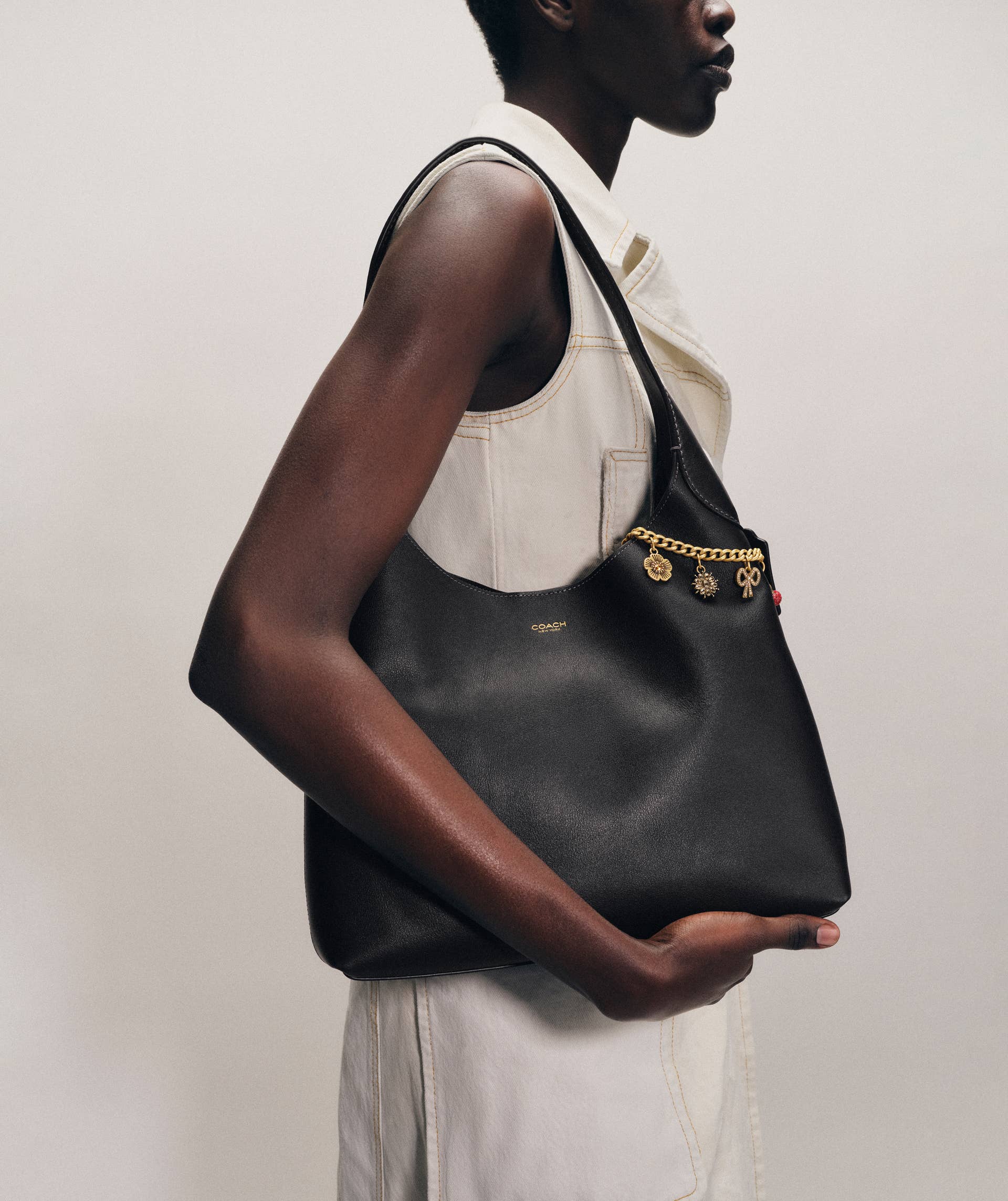
# Coach Brooklyn Bag Sizes Decoded: Finding Your Fall Essential
Coach has repositioned itself as a contemporary lifestyle brand over the past five years, and the Brooklyn collection exemplifies this shift away from logomania toward architectural design and functional luxury. The Brooklyn line arrives this fall as a structured tote that bridges the gap between heritage leather goods and modern minimalism, offering four distinct silhouettes to match varying lifestyle needs.
The sizing strategy reveals Coach's understanding of how consumers shop: not all days demand the same capacity. The Brooklyn 26 operates as the compact option, ideal for professionals who commute with laptops and essential documents but reject oversized carryalls. The Brooklyn 28 sits comfortably in the middle-market sweet spot, accommodating daily urban navigation without excess bulk. The Brooklyn 34 steps into transitional territory, serving hybrid needs like travel-adjacent everyday wear. The Brooklyn 39 functions as the statement piece, a weekender that collapses into everyday wear when needed.
This tiered approach reflects broader industry thinking. Brands like Bottega Veneta and Khaite have built momentum on selling multiple iterations of single silhouettes rather than forcing customers into one-size-fits-all propositions. Coach learned from its logo-heavy era that true brand loyalty stems from giving customers choice within cohesive design language, not forcing allegiance to a single hero product.
The Brooklyn's material composition matters. Coach specified full-grain leather and refined hardware, moving away from the treated coated canvases that defined the brand's mall-focused era. This decision addresses a consumer shift toward durability and heirloom potential. Younger buyers specifically reject disposable luxury. They want objects that age well and retain value.
Structurally, the Brooklyn employs a refined geometric silhouette that photographs well for social media while remaining practical for actual daily use. The handles sit at an ergonomic height for shoulder wear or hand-carry. Interior organization includes thoughtful zipping and pocketing, acknowledging that functionality without clutter distinguishes professional accessories from glorified tote bags.
Positioning the Brooklyn against Coach's existing portfolio demonstrates calculated curation. It doesn't cannibalize the Rogue (younger, edgier) or the Swagger (logo-forward, accessible). Instead, it claims space in the contemporary structured-tote territory where competitors like Mansur Gavriel and Madewell have thrived. Coach's pricing advantage over those brands, combined with established distribution through department stores and its own retail network, gives the Brooklyn genuine market momentum.
The fall timing signals intentional seasonality. Leather bags perform strongest in cooler months when consumers shop outerwear and heavier fabrics. The neutral color palette Coach has released with the Brooklyn, anchored in black, caramel, and burgundy, speaks to transitional wardrobing rather than novelty.
For everyday users, the Brooklyn 28 typically emerges as the consensus winner. It accommodates laptop sleeves, lunch containers, and personal items without sacrificing elegance. The Brooklyn 34 appeals to those who cycle between office and weekend activities. Size selection ultimately depends on commute distance and whether digital work dominates or physical materials still matter in your workflow.
Coach's strategy with the Brooklyn acknowledges market reality: luxury doesn't mean impracticality anymore.