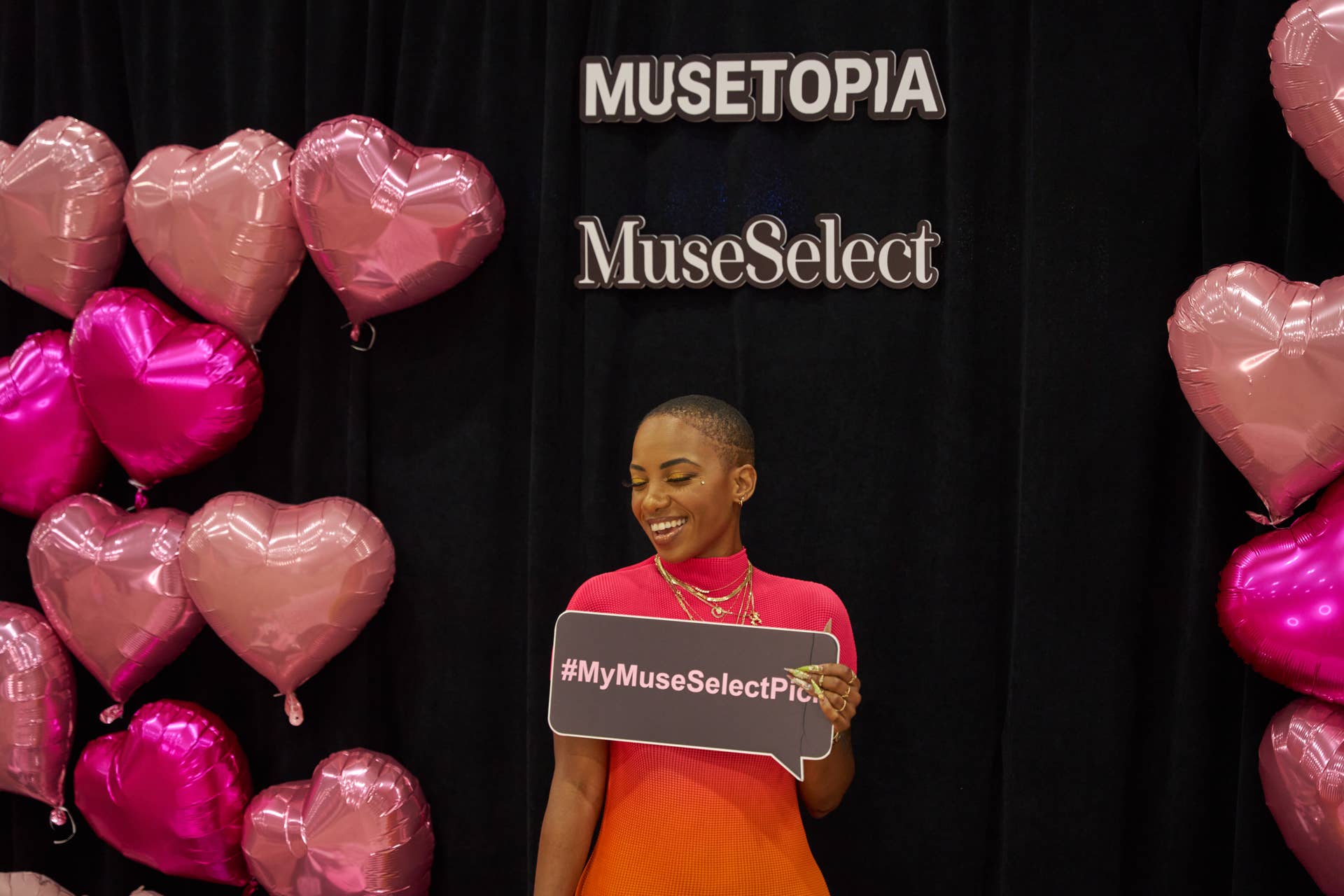
MuseSelect launches its U.S. Creator Fashion Market this week at CoCreate LA with a bold bet. The AI-powered platform offers creators commissions reaching 25 percent, a rate that dwarfs traditional wholesale models and reshaped the economics of direct-to-consumer fashion.
The move addresses a persistent friction point in creator commerce. Most platforms take heavy cuts or lock creators into rigid wholesale arrangements that strip margins. MuseSelect bets that dramatically higher commissions will accelerate adoption among influencers, content creators, and emerging designers ready to build their own labels.
The platform's timing matters. Creator-driven fashion has exploded over the past three years, yet most tools remain built for traditional retail. Shein's youth dominance, Shopify's fragmented ecosystem, and emerging platforms like Demand Collective have all tested different models. MuseSelect enters with technology and economics.
The AI component shapes inventory and forecasting. Real-time data pulls from creator networks, trending sounds, and audience behavior to predict what sells. Automation reduces operational overhead, which theoretically allows MuseSelect to absorb lower per-unit margins while still profiting. Creators keep more. The company wins through volume and data value.
MuseSelect's simultaneous launch of a program to build 1,000 creator-owned labels signals scale ambitions. This isn't a marketplace for existing brands to reach audiences. This builds capacity for new creators to become brands themselves. It positions the platform as infrastructure, not just a sales channel. Creators control design, sourcing, and brand identity. MuseSelect handles logistics, payments, and AI-driven visibility.
The commission structure directly challenges established players. Shopify averages 2.9 percent plus payment processing fees. Traditional wholesale margins sit between 40 to 50 percent, splitting between retailer and brand. A 25 percent commission to creators inverts this. MuseSelect absorbs higher risk but captures data and long-term customer relationships that traditional models forfeit.
CoCreate LA remains the staging ground for creator economy tests. The event attracts emerging platforms, venture capital focused on creator tools, and the influencers themselves. Announcements here signal serious runway and institutional backing. MuseSelect's debut here places it in conversation with other venture-backed creator commerce experiments.
Execution determines everything. High commissions matter only if creators see real revenue. Inventory management, payment reliability, and traffic routing all require precision. One failed fulfillment cycle or payment delay erodes trust faster than any commission rate rebuilds it. Shopify and Amazon both taught this lesson through their own creator initiatives.
The 1,000-label goal compounds this challenge. Building a thousand small fashion brands simultaneously requires customer acquisition at scale. MuseSelect must drive traffic to unfamiliar labels with unproven audiences. The AI forecasting tool helps, but discovery remains the hard problem in creator fashion.
This approach also sidesteps some fashion industry gatekeeping. Traditional wholesale requires samples, lookbooks, and buyer relationships. Creator-first models democratize access. Emerging designers without existing followings can still test products and iterate. This mirrors Depop's success with emerging sellers and Etsy's creator base.
MuseSelect enters a market that continues fragmenting. Tiktok Shop, Amazon Influencer Storefront, and niche platforms like The Outnet all compete for creator attention. Higher commissions alone won't win if creators lack audience reach on the platform itself. Network effects matter more than payouts.