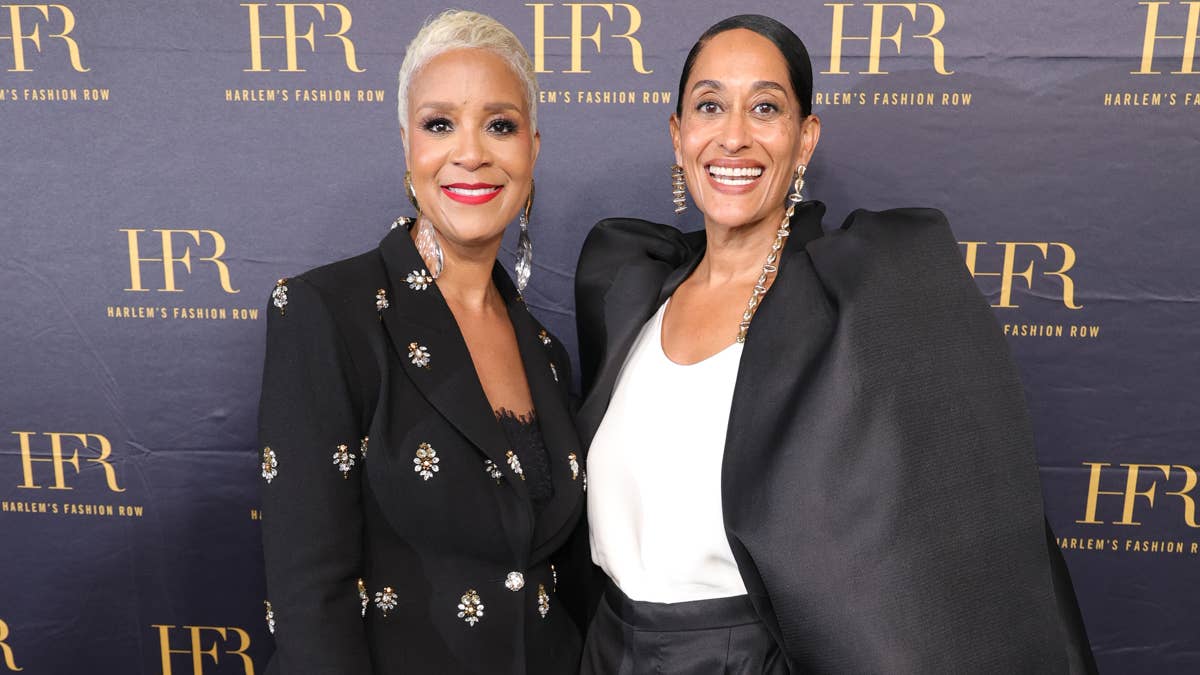
Harlem's Fashion Row solidified its position as a cultural powerhouse in Black fashion with the launch of its inaugural print magazine and a star-studded 2026 Style Awards ceremony. The organization elevated actress and cultural icon Tracee Ellis Ross to cover star status, recognizing her influence both on screen and as a fashion collaborator who consistently champions emerging Black designers.
The event honored a roster of boundary-pushing creatives reshaping contemporary fashion. Brandon Blackwood received recognition for his luxury handbag work and commitment to showcasing Black craftsmanship at the highest retail level. Jahleel Weaver's experimental approach to tailoring and silhouette earned acclaim, while Recho Omondi's bold aesthetic contributions highlighted the diversity of voices within the Black design community. Wisdom Kaye's visibility as a non-binary designer and style innovator also resonated with the organization's mission of expanding representation across gender expression and identity.
The accompanying runway show provided a platform for designers to present their visions directly to industry stakeholders, media, and a growing audience hungry for authentic Black creativity outside traditional fashion capitals. Harlem's Fashion Row has consistently positioned itself as an alternative to Eurocentric gatekeeping in fashion, creating direct pathways from designer to consumer and investor.
The decision to launch a print magazine marks a strategic shift in how the organization distributes its cultural narrative. Print remains potent in fashion journalism and brand building. It signals permanence and editorial authority in a digital-first era. By launching their own publication, Harlem's Fashion Row gains control over storytelling, aesthetic direction, and archival value. The magazine becomes both a business asset and a cultural document reflecting the organization's curatorial vision.
Tracee Ellis Ross brings more than celebrity capital to the cover. Her career reflects deliberate choices to amplify Black voices in entertainment and fashion. She has long advocated for designers of color, worn emerging Black designers on red carpets, and used her platform to normalize discussions about representation and ownership in fashion. Her selection as cover star reinforces that Harlem's Fashion Row prioritizes cultural influence over tabloid value.
The 2026 timing positions these creatives within a broader industry momentum. Fashion houses increasingly recognize that Black design talent and Black consumer markets represent untapped growth and authenticity. Mainstream luxury conglomerates have begun recruiting Black designers for leadership roles, yet independent Black-owned businesses and platforms remain undercapitalized. Harlem's Fashion Row's magazine and awards operate as both celebration and economic strategy. They build the case for investment, foster community, and create the infrastructure that allows emerging designers to scale faster than their predecessors.
The event's scope suggests Harlem's Fashion Row is ready to compete for editorial and commercial attention traditionally reserved for New York Fashion Week, Paris Fashion Week, and other established institutions. A print magazine requires sustained resources, advertising relationships, and distribution networks. Its existence signals that the organization has secured backing and believes in the long-term viability of its mission.
For the designers honored, the moment offers more than a trophy. Recognition from Harlem's Fashion Row carries weight within communities that value Black excellence, independent ownership, and cultural integrity over mainstream approval alone. These awards validate creative risk-taking and provide the kind of institutional legitimacy that translates to retail partnerships, investor meetings, and media coverage.