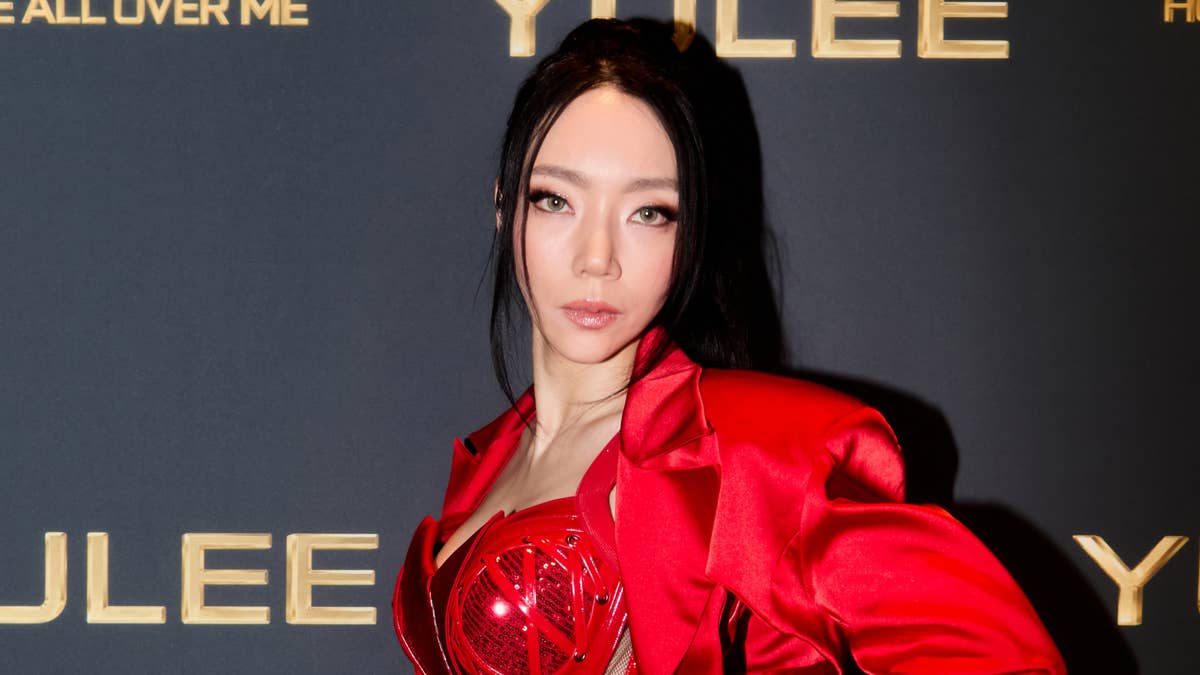
Yulee Choi, the multi-hyphenate artist known for her work as both singer-songwriter and actor, is orchestrating a deliberate reinvention that hinges on fashion as a storytelling device. Her evolution signals a broader shift in how contemporary artists leverage personal style to communicate artistic transformation, particularly within the K-pop and global entertainment sphere where visual identity carries outsized cultural weight.
Choi's pivot toward a "pop star era" unfolds across three interconnected domains. Her musical output has grown more assertive and radio-friendly, shedding the introspective indie sensibilities that defined her earlier work. Her performance style has intensified, embracing choreography and staging that demands presence and physicality. And critically, her sartorial choices have become more intentional, each appearance functioning as a visual thesis statement about her artistic direction.
This strategy reflects a calculation that many established artists undertake when repositioning themselves. Fashion becomes the external manifestation of internal creative shifts. Choi's wardrobe selections likely emphasize boldness over subtlety, reflecting her embrace of pop's maximalist traditions. Whether through color saturation, silhouette precision, or designer collaborations, her styling teams are working to telegraph confidence and accessibility, qualities essential to pop stardom's commercial machinery.
The timing matters considerably. The entertainment industry has normalized artist reinvention across multiple mediums. Success in music alone no longer sustains careers of the scale Choi appears to be pursuing. Acting provides revenue diversification and cultural legitimacy. Fashion partnerships offer additional revenue streams and brand alignment opportunities. For an artist like Choi, juggling these disciplines requires visual coherence across platforms, which explains why her styling has become so deliberately coordinated.
From a fashion industry perspective, Choi's moment represents opportunity for designers seeking celebrity partnerships that carry both credibility and reach. Her transition invites collaboration from brands targeting Gen Z and millennial audiences who value authenticity paired with aspirational production value. Independent designers and established luxury houses alike have positioned themselves to work with artists undergoing such moments.
The pop star era concept itself deserves scrutiny. It suggests phases or chapters within an artist's career, a framework increasingly common in streaming-era music marketing. Each era requires visual anchoring, sonic identity, and thematic coherence. The fashion component cannot be peripheral. It functions as the public-facing proof of transformation, the evidence that justifies listener investment in following an artist through creative evolution.
Choi's exploration unfolds during a period when Korean entertainment exports maintain unprecedented global momentum. Her personal reinvention occurs within that broader context, where international recognition creates expectations for sophisticated visual branding. Competing for attention on global stages demands more than talent, it requires a complete aesthetic package.
What distinguishes this arc from typical celebrity wardrobe evolution is Choi's apparent intentionality. She is not simply adopting trends or chasing moment-specific virality. Instead, she appears to be constructing a cohesive visual language that supports her musical and performance work. That coherence between sound, movement, and appearance marks the difference between a rebrand and a genuine reinvention, the distinction between temporary noise and sustained artistic growth.