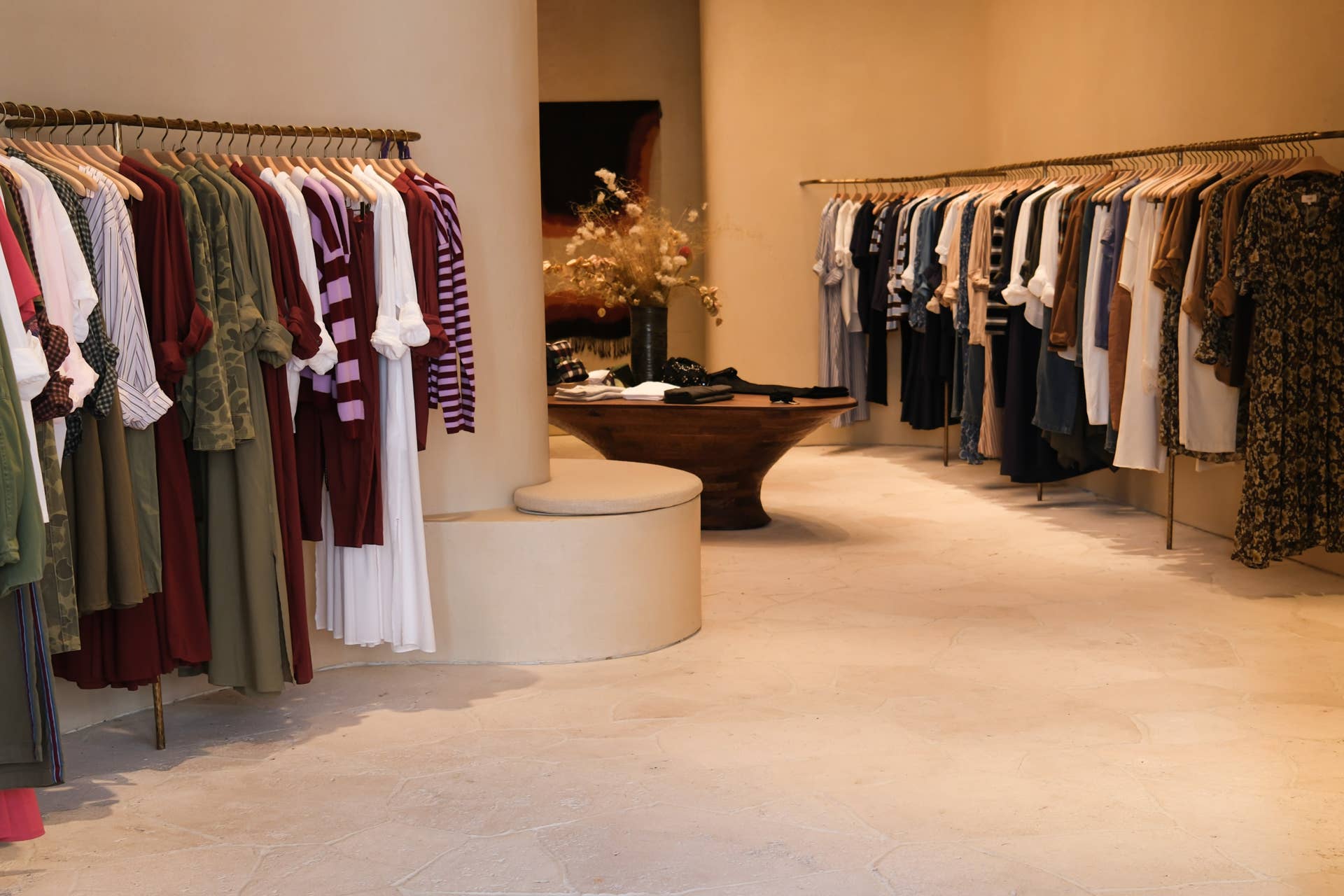
Xirena marks a major milestone with its inaugural standalone retail location in Los Angeles, cementing the California brand's evolution from intimate apparel specialist to comprehensive lifestyle player. The opening represents both a validation of the label's growth trajectory and a strategic move to capture market share in its home state during a period of retail expansion across the American fashion landscape.
Founded thirteen years ago as a lingerie brand, Xirena has methodically broadened its offering to encompass ready-to-wear, accessories, and lifestyle products. The transition from category specialist to full-service brand mirrors similar trajectories seen at labels like Aerie and Skims, though Xirena has maintained a notably quieter profile despite consistent wholesale presence at retailers including Net-a-Porter, Shopbop, and specialty boutiques.
The Los Angeles flagship arrives at a pivotal moment for direct-to-consumer retail. While many established brands have shuttered physical locations or pulled back on store expansion, independent and emerging labels continue opening brick-and-mortar venues. This counterintuitive movement reflects changing consumer behavior: shoppers increasingly seek tangible brand experiences, particularly from niche and heritage labels. Los Angeles, with its concentration of fashion-conscious consumers and influence on global style trends, offers an ideal testing ground for lifestyle retail concepts.
Xirena's store strategy differs meaningfully from traditional flagships. The brand positions itself within the elevated essentials category, competing against labels like Rag and Bone, Everlane, and Agolde rather than traditional department store brands. The focus on quality basics, minimalist aesthetics, and California-inflected design philosophy appeals to a specific demographic: affluent, design-literate consumers who prioritize craftsmanship and understated luxury over logomania.
The retail expansion also reflects broader industry recognition that lingerie-to-lifestyle pipeline represents viable business model. Brands including Savage X Fenty, Parade, and Lively have successfully leveraged intimate apparel as entry point to broader wardrobing categories. Xirena's thirteen-year runway provides evidence that this approach works when executed with consistency and quality discipline.
For Xirena specifically, the Los Angeles store addresses fundamental gaps in its distribution strategy. Despite operating for over a decade, the brand lacked owned retail presence. This absence likely constrained brand narrative control, customer data collection, and premium pricing power. Physical retail enables direct consumer relationships, allows proper product display across full assortments, and creates opportunities for elevated customer service that wholesale channels cannot replicate.
The timing also positions Xirena ahead of potential economic headwinds. As luxury and contemporary fashion face margin pressure and inventory challenges, brands positioned in the accessible luxury and elevated essentials categories command steadier demand. Xirena's price positioning, product quality, and lifestyle narrative align with consumer preferences for durable, versatile clothing over trend-driven fast fashion.
The Los Angeles location serves as test case for potential future expansion. If the flagship performs well, Xirena could feasibly open locations in additional coastal markets including New York, San Francisco, and Miami, where similar consumer demographics concentrate. The brand also gains opportunity to pilot new product categories, test pricing strategies, and gather firsthand intelligence on customer preferences that will inform wholesale partnerships and future collections.
For a brand that built itself entirely through wholesale relationships and direct-to-consumer digital channels, this retail debut represents genuine strategic inflection point.