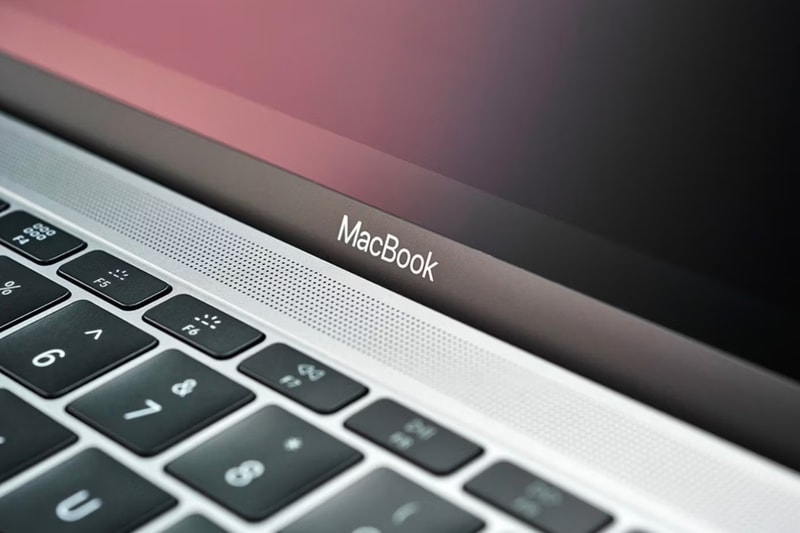
Apple enters the touchscreen MacBook era this fall with a bold product repositioning that reshuffles its professional laptop lineup. The tech giant will launch a MacBook Ultra in Fall 2026 featuring the company's first-ever integrated touchscreen, according to supply chain intelligence. The move marks Apple's most significant MacBook redesign in years and signals a shift in how the company segments its premium computer market.
The MacBook Ultra will anchor Apple's high-end laptop strategy at a projected $2,999 price point. The device combines a thinner aluminum chassis with an OLED display and Apple's signature Dynamic Island interface element, mirroring design language from iPad Pro and iPhone. These specifications position the Ultra as a visual and technical step above the existing MacBook Pro lineup, which will remain anchored at the $2,499 entry point with miniLED display technology.
This tiered approach reflects Apple's broader strategy of creating clear product separation through display technology. Supply chain reports confirm Apple will continue manufacturing miniLED panels through 2028, cementing their role in the next-generation MacBook Pro models. Meanwhile, OLED becomes the exclusive domain of the premium Ultra tier. The shift allows Apple to justify a $500 price gap through tangible hardware differentiation rather than processor speed alone.
The touchscreen integration on a MacBook represents Apple's calculated reversal on a long-standing design philosophy. Steve Jobs rejected touch inputs on laptops as ergonomically inferior to trackpad interaction. However, the integration here differs fundamentally from the touch-optimized Windows convertibles that flooded the market in the 2010s. Apple's implementation will likely emphasize supplementary interactions, smart controls, and context-aware inputs rather than wholesale touch-first navigation. The Dynamic Island signals this approach, offering a floating interface element responsive to both trackpad and direct touch interaction.
The fall 2026 launch positions the Ultra as a counter to Microsoft's premium Surface Laptop Studio and high-end Dell XPS lineups, both of which now feature OLED displays and touchscreen capabilities. Apple held out longer than competitors, choosing to refine display technology and software integration before committing to the feature. The MacBook Air line, which dominates unit sales, will retain its M-series chips without OLED treatment, maintaining clear visual separation from professional tiers.
The OLED manufacturing strategy reveals Apple's confidence in sustained demand for premium MacBooks. OLED production carries higher costs and greater complexity than miniLED, yet Apple's decision to maintain miniLED production through 2028 suggests the company expects both technologies to coexist across multiple product cycles. This dual-track approach mirrors Apple's management of display types across iPhone Pro, iPad Pro, and Apple Watch lineups.
Professional users in creative fields, software development, and content production form the target market for the MacBook Ultra. These buyers tolerate premium pricing for display quality and processing power. The OLED screen delivers superior color accuracy, contrast, and power efficiency compared to miniLED, directly addressing demands from video editors, photographers, and designers. The touchscreen addition serves as an adjacency feature rather than a core selling point, enhancing workflows without dominating the device concept.
The Fall 2026 launch timeline aligns with Apple's typical processor upgrade cycles. Next-generation M-series chips arriving in late 2026 will likely power the Ultra, ensuring processing performance matches the premium positioning. Storage and memory configurations will almost certainly exceed MacBook Pro baselines, reinforcing the Ultra's flagship status within the professional lineup.