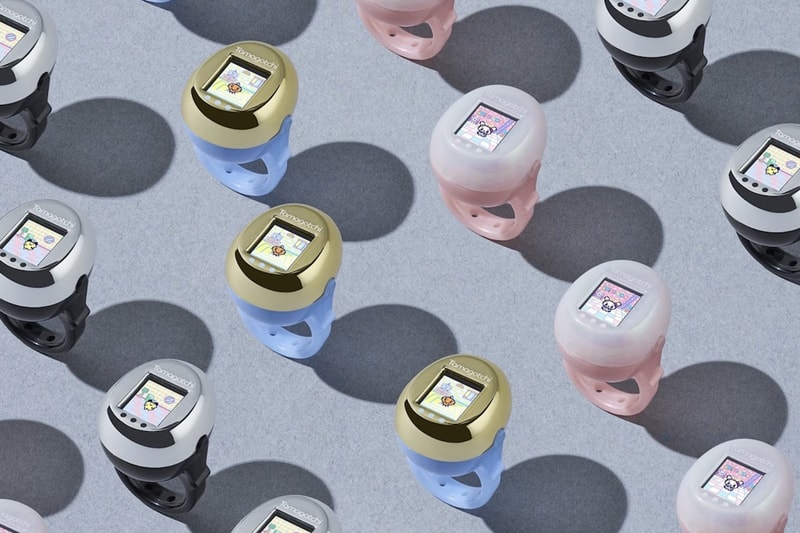
Bandai has officially entered the wearables market with the Tamagotchi Ring, a finger-sized device that transplants the beloved '90s virtual pet franchise into a contemporary format. Launching in late August 2026, the ring combines nostalgic gameplay mechanics with modern hardware, signaling how legacy entertainment properties increasingly move beyond traditional product categories.
The Tamagotchi Ring retains the core appeal of the original: feeding, training, and bonding with a digital creature. The new iteration upgrades the experience with a color touchscreen display, eliminating the monochrome LCD screens that defined the 1990s original. Users can interact with their pets through taps and swipes rather than the mechanical button inputs of previous versions. Bandai designed the ring to allow discreet pet care throughout the day, positioning it as a lifestyle accessory rather than a dedicated gaming device.
Customizable styles represent another critical shift in Bandai's approach. The ring will ship in multiple finishes, acknowledging that contemporary consumers expect personalization alongside functionality. This mirrors how smartwatch manufacturers like Apple and Samsung offer varied band options and case colors. Fashion-forward product design matters to the demographic driving this revival, particularly Gen Z and millennial consumers who grew up with the original Tamagotchi craze.
The timing reflects broader industry trends. Nostalgia marketing has become a reliable revenue engine for entertainment companies. Nintendo's Switch revival of Game Boy, Hasbro's continued My Little Pony expansion, and countless '80s and '90s IP revivals demonstrate that childhood memories drive purchasing decisions across age groups. Tamagotchi itself never truly disappeared, but existing as a novelty keychain item rather than a category-defining product.
The wearable angle proves particularly shrewd. Rings occupy a growing segment between smartwatches and fitness trackers. Companies like Oura, Samsung, and Gucci have positioned rings as sophisticated alternatives to bulkier wrist devices. Bandai taps into this momentum while maintaining Tamagotchi's essential identity. A ring form factor feels more personal than a traditional gaming device, encouraging the compulsive checking behavior that made the original addictive.
This launch also signals how fashion and collectible tech increasingly overlap. Bandai sells Tamagotchi across multiple channels: high-end boutiques, mainstream retailers, and direct-to-consumer platforms. The ring occupies premium positioning within that ecosystem. Limited colorways and customizable options create scarcity and collection incentives, proven tactics in streetwear and limited-edition consumer electronics.
The Tamagotchi Ring enters a market already saturated with wearable options. Success depends on execution and whether the device delivers meaningful gameplay on such a small screen. Technical limitations could frustrate users accustomed to smartphone gaming. Battery life, durability, and price point will determine adoption rates among both nostalgic adults and younger consumers discovering Tamagotchi for the first time.
Bandai's strategy positions the ring as both a functional device and a fashion statement. That dual positioning reflects how millennial and Gen Z consumers evaluate products. They seek utility wrapped in cultural relevance and aesthetic appeal. The Tamagotchi Ring delivers exactly that formula, betting that '90s IP nostalgia combined with contemporary wearable technology creates a compelling product category. Whether this succeeds depends on whether nostalgia alone drives sustained engagement, or if gameplay depth can sustain interest beyond the initial novelty purchase.