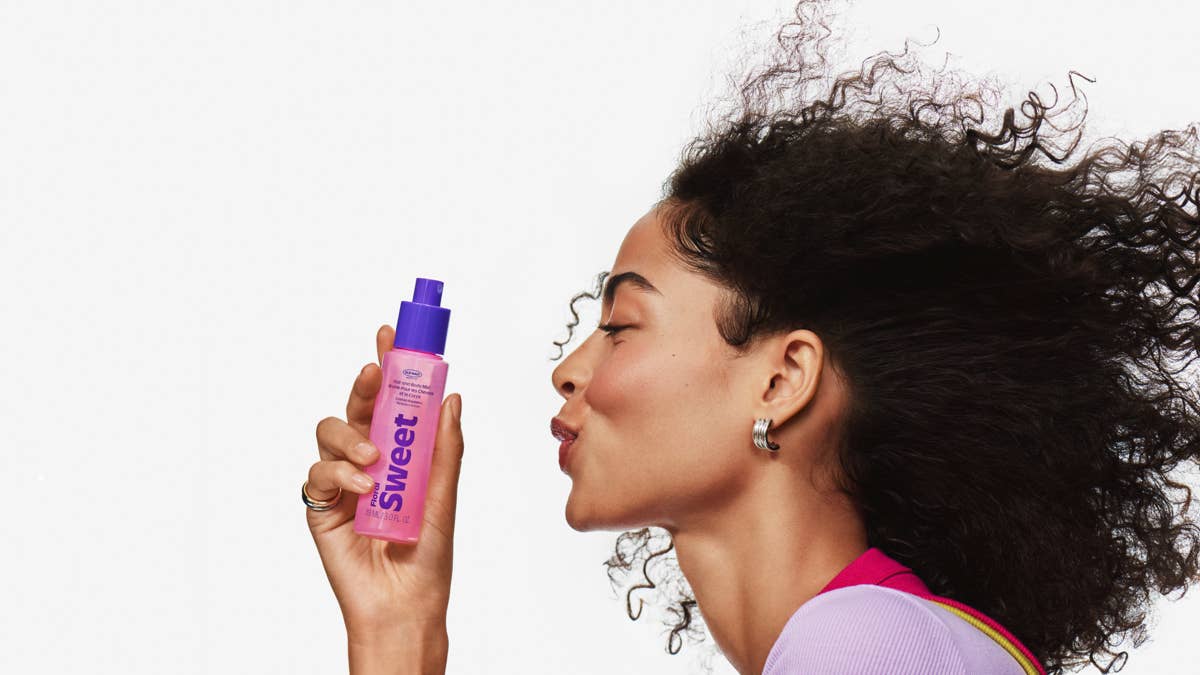
Old Navy has stepped into beauty with a calculated move that signals the casual apparel retailer's push into lifestyle expansion. The company partnered with master perfumer Jérôme Epinette to develop a seven-scent fragrance collection launching under the banner Old Navy Beauty Co., bundled with a broader body-care line entering a market already crowded with direct-to-consumer beauty brands.
Epinette brings legitimate credentials to the project. The French perfumer has worked with major fragrance houses and understands how to build accessible scent stories that appeal to mainstream consumers without sacrificing composition. His involvement suggests Old Navy is not treating beauty as a throwaway adjacency but rather investing in quality that matches the brand's core positioning: affordable style for the masses.
The seven fragrances represent a deliberate strategy. Rather than launching a single hero scent, Old Navy is offering diversity from day one. This breadth allows the retailer to capture different customer profiles and price points within the collection, maximizing shelf space utility across both physical stores and its e-commerce channels. Each scent likely targets a specific lifestyle moment or consumer archetype, which is standard practice for mass-market beauty launches.
Body care accompanies the fragrance rollout. Lotions, body washes, and complementary products extend the collection's reach and increase transaction value. This bundled approach mirrors playbooks deployed by Gap Inc. brands like Banana Republic, which have tested beauty adjacencies. It also reflects how legacy apparel retailers now view beauty as essential to customer lifetime value and brand experience.
Old Navy Beauty Co. enters a fragmented landscape. Affordable fragrance has become competitive terrain. Target's Good & Gather line, Walmart's Time and Tru, and indie brands distributed through Ulta have already captured price-conscious consumers. Direct-to-consumer players like Prose and Glossier have reset expectations around accessibility and digital-first distribution. Yet Old Navy's retail footprint across North America gives it distribution advantages these newcomers lack.
The timing reflects broader retail consolidation. Department stores continue losing cosmetics shelf space, while beauty has become a profit center for apparel and lifestyle brands. Lululemon Beauty, Outdoor Voices' venture into skincare, and even Reformation's cosmetics experiments demonstrate that apparel brands now view beauty as an essential category for retention and data collection. Each fragrance purchase becomes a customer signal, informing future product development and marketing strategy.
Old Navy's move also addresses the reality that Gen Z and millennial consumers expect brands to operate across categories. A single brand offering clothing, beauty, and lifestyle products feels inevitable rather than opportunistic. The beauty consumer expects coherence across touchpoints. A shopper buying Old Navy jeans might purchase matching fragrance. The beauty line provides a reason to visit stores more frequently and spend incrementally beyond apparel.
Retail partnerships matter too. Old Navy operates stores within Gap locations and runs standalone locations globally. This infrastructure means Old Navy Beauty Co. reaches customers in over 800 stores immediately, plus e-commerce channels. That distribution network took years and billions to build. Indie beauty brands and direct-to-consumer startups cannot replicate this advantage.
The seven-scent launch suggests Old Navy is testing before scaling. Success with fragrance could open doors for skincare, cosmetics, or personal care expansion. Each category builds brand stickiness and margin potential higher than apparel alone.