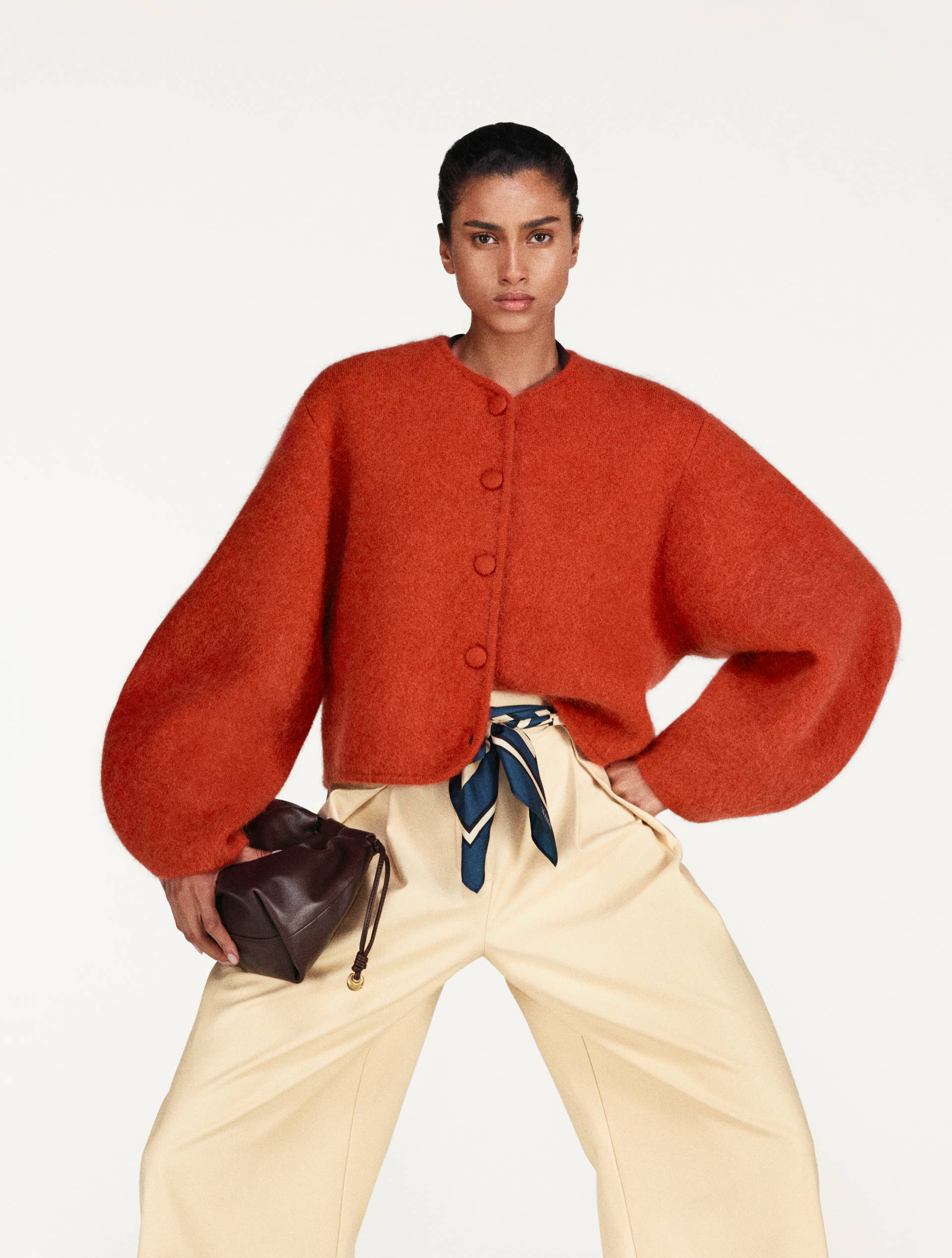
# Sézane Pivots Strategy as Harlem Fashion Row Celebrates Emerging Talent
Sézane, the Parisian-born contemporary label, has entered a transformative new phase that signals a shift in how direct-to-consumer fashion brands approach their market positioning. The French house, known for its minimalist aesthetic and accessible price point, continues to refine its business model in response to evolving retail dynamics. The move comes as the broader DTC sector faces pressure from changing consumer behavior and increased competition from both legacy players and emerging digital natives.
Simultaneously, Harlem's Fashion Row, the nonprofit organization dedicated to supporting Black and Latinx designers, unveiled its 2026 Style Awards honorees. The announcement underscores the organization's role as a crucial platform for emerging talent in an industry historically resistant to diversifying its ranks. The awards recognize designers who have demonstrated exceptional creativity, business acumen, and cultural impact within their communities.
In related news from the innovation front, designer Willy Chavarria has begun testing an AI shopping assistant within his brand's retail ecosystem. The New York-based designer, known for his socially conscious collections and theatrical presentations, views artificial intelligence as a tool to enhance customer experience rather than replace human interaction. The experiment reflects a broader trend among independent designers exploring how machine learning can streamline personalization and inventory management without sacrificing the narrative-driven approach that defines contemporary luxury.
Chavarria's initiative gains context within the current landscape where AI adoption in fashion ranges from virtual try-on technology to demand forecasting algorithms. Major luxury conglomerates have already invested heavily in machine learning infrastructure. Independent designers testing these tools earlier potentially gain operational advantages as the technology matures. Chavarria's approach, however, emphasizes the emotional and cultural dimensions of shopping, treating AI as infrastructure rather than the primary customer engagement layer.
Sézane's strategic repositioning occurs within a broader recalibration across the DTC space. Companies like Everlane and Warby Parker normalized direct sales models, but market saturation and consumer habit shifts have forced second-generation reckoning. Sézane's evolution likely includes refined supply chain strategies, expanded collaboration opportunities, and potentially reconsidered wholesale relationships, though specifics remain under wraps.
The timing of these three developments reveals distinct attitudes toward fashion's future. Harlem's Fashion Row signals the industry's growing acknowledgment that diversity isn't accessory but foundational. Chavarria's AI experiment demonstrates how individual designers integrate technology at their scale. Sézane's transition reflects the maturing DTC model's need for structural innovation.
For emerging designers watching these movements, the takeaway centers on platform diversity. Harlem's Fashion Row provides visibility and resources that venture capital cannot replicate. Designers like Chavarria demonstrate that technological experimentation and cultural specificity coexist. Sézane's recalibration proves that early DTC success requires continual strategic reassessment.
These three narratives intersect around a single truth: fashion's next phase demands brands think simultaneously about accessibility, authenticity, and innovation.