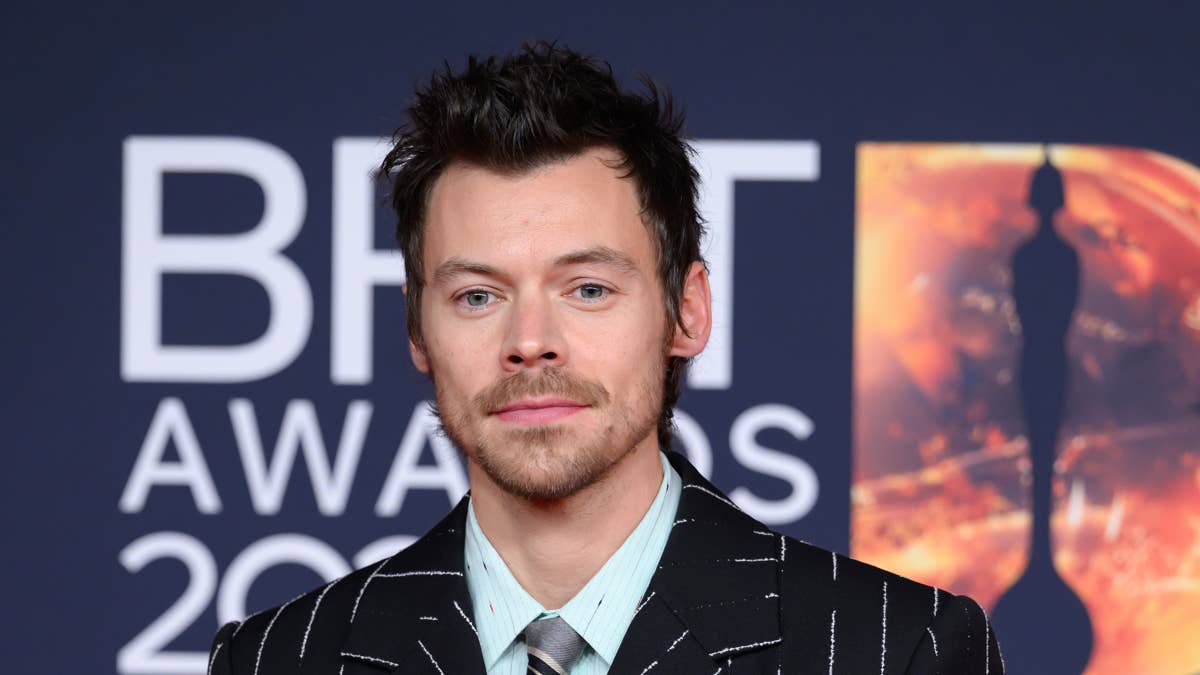
Harry Styles returns to the magazine cover circuit with a feature in W Magazine's latest issue, marking a continued presence in fashion publishing despite his recent shift away from music industry dominance. The British pop-turned-actor maintains his status as a bankable cover star, drawing reader interest through his evolving personal style and cultural relevance.
Simultaneously, the reality television sphere crosses into mainstream beauty commerce. Bryce and Trinity, winners of Love Island USA's fifth season, now front a Maybelline campaign, demonstrating how streaming platforms and dating shows generate influencer currency at scale. The pairing reflects Maybelline's strategic pivot toward Gen Z audiences through relatability rather than celebrity prestige alone. Dating show participants command campaign deals previously reserved for established actors or musicians, a shift that reshapes how brands identify authentic voices for beauty marketing.
The appointment of FIT's first Chief Marketing Officer signals institutional evolution at the Fashion Institute of Technology. This hire elevates marketing from departmental function to C-suite strategy. FIT's decision to formalize a CMO role suggests the school recognizes competitive pressures within fashion education. Institutions compete aggressively for enrollment and industry partnerships. A dedicated CMO positions FIT to amplify its curriculum innovations, faculty credentials, and placement outcomes. The role also reflects broader education sector trends where marketing leadership drives institutional positioning and revenue growth.
These three developments map distinct corners of fashion's ecosystem. Styles occupies the intersection of music, film, and fashion, where individuals leverage multiple industries simultaneously. His magazine covers serve promotional functions while satisfying editorial curiosity about his aesthetic choices and career trajectory. W Magazine benefits from his cultural currency while Styles maintains visibility during a period when his music output has slowed.
Love Island's integration into beauty advertising reflects entertainment's democratization. The show produced marketable personalities from casting rather than pre-existing fame. Bryce and Trinity's Maybelline moment validates their appeal to younger consumers who discover beauty influencers through streaming rather than traditional media. This pathway challenges legacy celebrity hierarchies in beauty endorsements.
FIT's CMO appointment addresses institutional competition intensifying across fashion education. Schools like FIDM, Parsons, and LCF invest in marketing infrastructure to differentiate programming and recruit talent. A chief marketing officer orchestrates enrollment strategy, alumni engagement, industry partnerships, and thought leadership positioning. For FIT, the move strengthens its hand in attracting students and maintaining relevance as fashion education becomes increasingly crowded.
All three stories reflect how fashion commerce operates across media, entertainment, and institutional channels. Magazine covers remain valuable real estate for cultural figures. Reality television generates legitimate marketing assets for consumer brands. Educational institutions apply corporate strategy to remain competitive. The convergence shows fashion's entanglement with broader entertainment and business ecosystems, where success requires simultaneous presence across multiple platforms and audience segments.