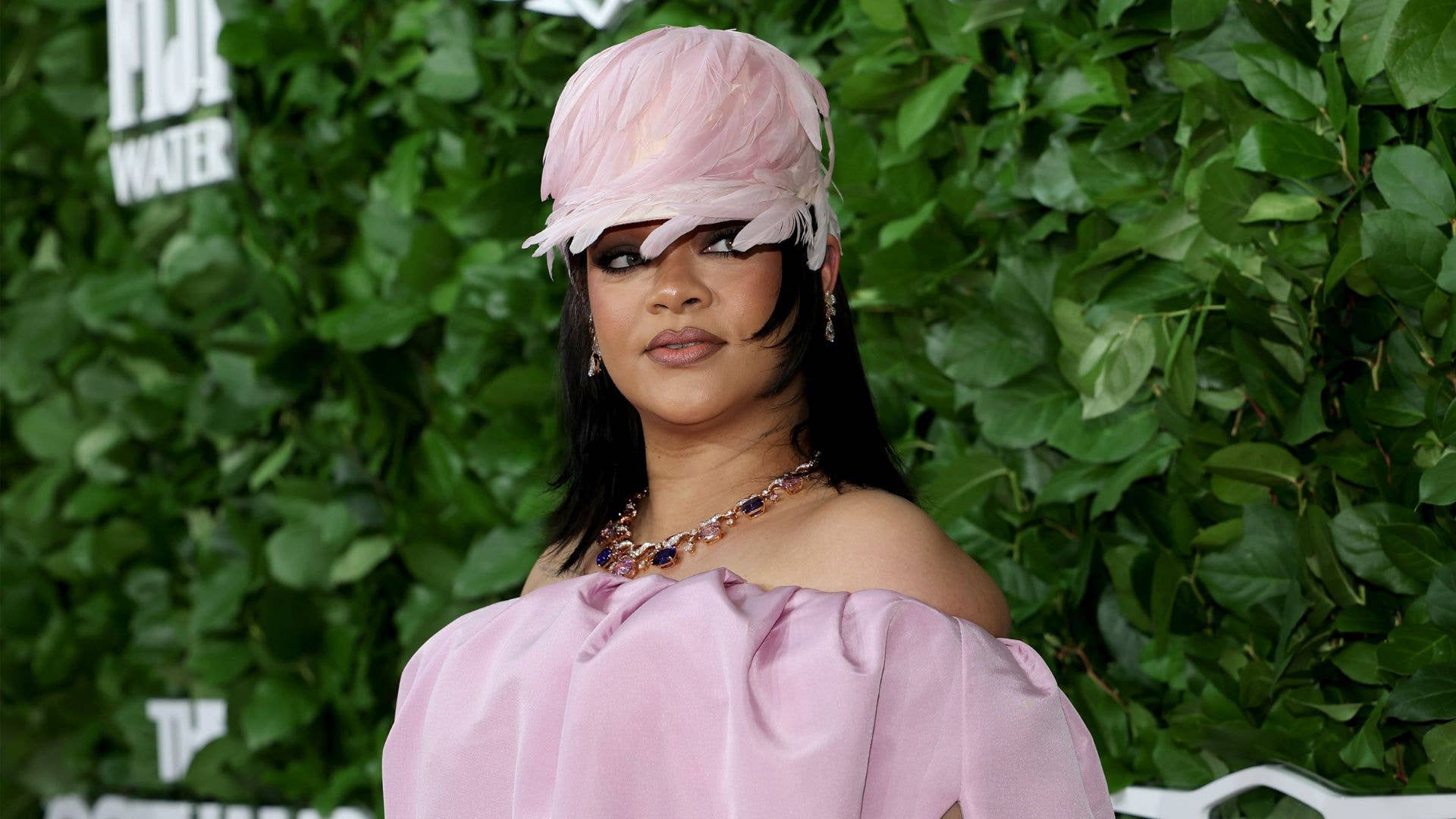
Rihanna commanded the cover of Elle's latest issue, continuing her reign as one of fashion's most bankable and culturally dominant figures. The Fenty mogul remains a perennial magazine cover subject, reflecting her outsized influence across beauty, fashion, and luxury sectors. Her Elle appearance lands amid sustained momentum for Fenty Beauty and the quietly powerful Savage X Fenty empire, both of which have redefined their respective categories through direct-to-consumer strategies and Rihanna's unparalleled star power.
The more pressing story involves Phia, the luxury resale app that has faced serious operational transparency issues. Co-founders of Phia allegedly knew the platform was wrongfully claiming sales credits and misrepresenting transaction data to users and sellers. This revelation cuts to the heart of trust in resale marketplaces, where authentication and accurate attribution of sales are foundational to user confidence. The allegation suggests systemic misrepresentation rather than technical glitches, raising questions about whether Phia's founders deliberately obscured business practices from their community.
The luxury resale sector has exploded into a multi-billion-dollar industry, with platforms like Vestiaire Collective, Rebag, and The RealReal competing fiercely for market share among affluent consumers seeking pre-owned designer pieces. Apps in this space depend entirely on seller trust and transparent accounting. When platforms misattribute sales or withhold accurate credit information, they undermine the fundamental value proposition that makes resale appealing to high-net-worth individuals accustomed to detailed transaction records and clear provenance tracking.
Phia entered a crowded landscape with promises of curation and community, positioning itself as a more intimate alternative to larger, algorithm-driven competitors. The co-founders' alleged knowledge of false sales credits suggests they may have attempted to inflate transaction volume or user engagement metrics, possibly to attract investors or justify valuations during funding rounds. Such practices invite regulatory scrutiny and potential fraud investigations.
This moment reflects broader tensions within luxury commerce. Direct-to-consumer models have disrupted traditional retail hierarchies, but they also create information asymmetries where platforms control what data users see. Rihanna's Fenty, by contrast, has built loyalty through consistent quality delivery and transparent brand communication, avoiding the opacity that now plagues Phia.
Additionally, Exemplar Luxury Group's chief buying officer departed the organization, signaling potential internal restructuring or strategic pivoting within that consultancy. Exemplar advises luxury conglomerates on acquisition, brand strategy, and market positioning. Executive departures at this level often precede shifts in how firms approach client services or their own portfolio management.
The week's fashion news underscores divergent trajectories. Rihanna's brand portfolio grows stronger through proven execution and consumer confidence. Phia faces an existential crisis rooted in founder credibility and operational integrity. For an industry built on heritage, authenticity, and trust in goods and information, these stories represent opposing poles of how luxury performs in the current moment.