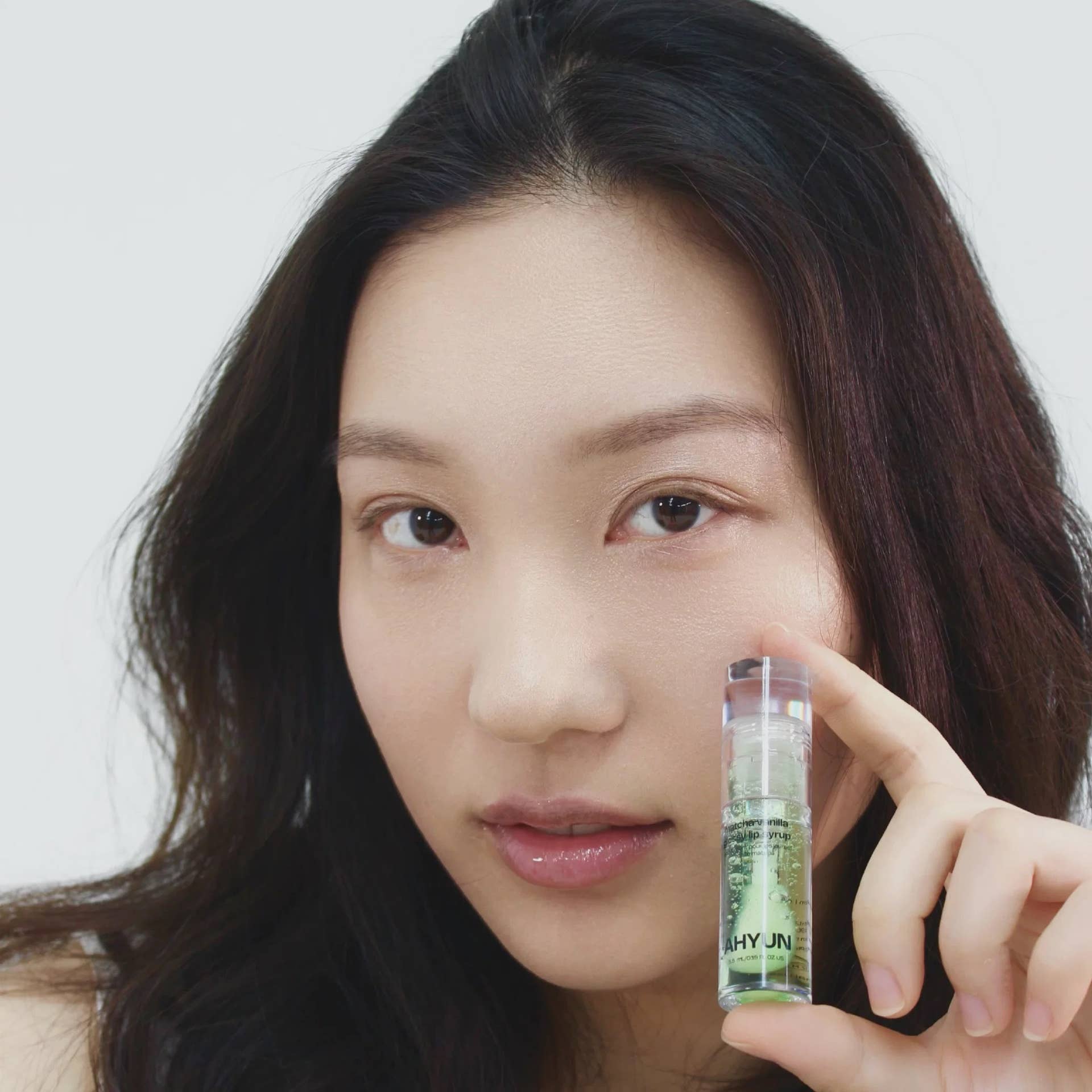
Ahyun enters the acne-safe beauty market with a founder-led brand that marries skincare philosophy with personal heritage. The brand launched in 2024 with its flagship Matcha Vanilla Glossy Lip Syrup, positioning itself at the intersection of clean beauty and cultural storytelling.
The founder draws directly from Chinese and Korean beauty traditions, two cultures with centuries of herbal and botanical skincare expertise. This isn't accidental branding. The choice reflects a deliberate strategy in an increasingly crowded beauty space where founder stories and heritage narratives drive consumer loyalty. Consumers now demand transparency about where ingredients originate and what philosophy guides formulation.
Ahyun's acne-safe positioning addresses a genuine market gap. While acne-fighting skincare dominates the mainstream, the lip category remains largely overlooked for acne-prone skin types. Most glossy lip products contain comedogenic oils or heavy emollients that trigger breakouts around the mouth and chin, areas already vulnerable to acne. A matcha-infused lip syrup signals botanical efficacy while avoiding synthetic fragrances and known trigger ingredients. Matcha brings antioxidants to the lip area, aligning with the K-beauty obsession with preventative skincare across all facial zones.
Vanilla flavoring adds sensory appeal without resorting to artificial taste compounds. This formula choice reflects broader Gen Z and millennial beauty purchasing logic. These demographics reject the "clean beauty" label as performative but respond to transparent ingredient lists, heritage-backed formulations, and products that solve specific problems. Acne-safe cosmetics now constitute a lifestyle choice rather than a dermatological afterthought.
The timing matters. K-beauty continues its global expansion, with Gen Z consumers studying Korean skincare routines as cultural education. Chinese beauty traditions experience simultaneous resurgence, particularly among diaspora communities reclaiming ancestral knowledge. Ahyun captures this moment by refusing to compartmentalize heritage. The brand doesn't position itself as either K-beauty or Chinese beauty. It exists in both spaces simultaneously, reflecting how modern consumers navigate multicultural identity.
This approach differentiates Ahyun from established acne-safe beauty brands like Proven Skincare or Dermalogica, which center dermatological science over cultural narrative. Ahyun competes instead with emerging founder brands like Ilia Beauty or Kosas, which pair clean formulation with storytelling. The lip syrup category itself gained momentum through brands like Lip Lab and Tower 28 Beauty, which prioritize clean ingredients and condition-specific formulations.
Distribution strategy will determine success. Direct-to-consumer channels allow Ahyun to maintain brand narrative control while building community around the founder's heritage story. Retail partnerships with Sephora or specialty beauty retailers would accelerate reach but risk diluting the founder-led positioning that differentiates the brand.
The acne-safe beauty sector continues expanding as skincare education spreads through TikTok and Instagram. Consumers now understand that acne requires comprehensive treatment, extending beyond face cleansers and spot treatments into lip care, primers, and concealer. Ahyun's entry suggests brands increasingly recognize that acne-safe positioning spans the entire beauty category, not just skincare. The Matcha Vanilla Glossy Lip Syrup represents this category expansion. Heritage storytelling adds depth to product functionality, creating emotional investment beyond performance claims.