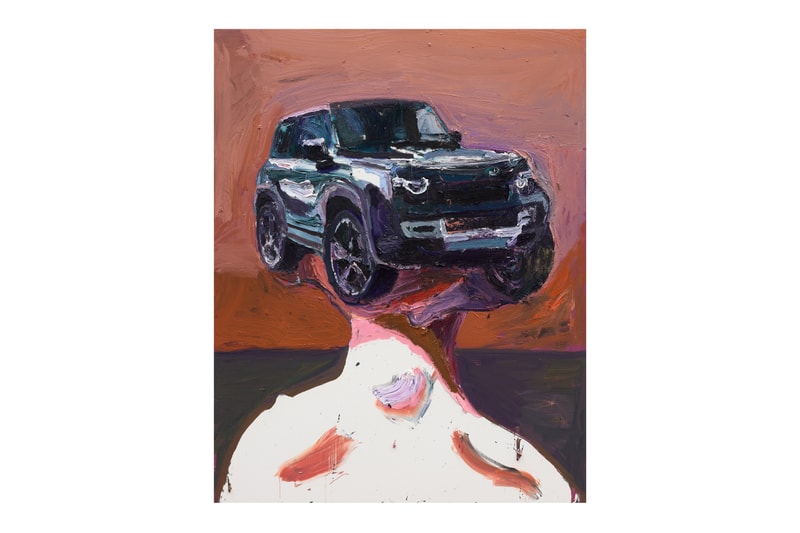
Australian artist Ben Quilty stages his New York solo debut with "Devil/God" at albertz benda, a exhibition anchored in urgent confrontation with masculinity, institutional violence, and planetary collapse. The show draws conceptual weight from Arthur Conan Doyle's 1928 short story "When the World Screamed," positioning the work as a visceral response to a civilization at breaking point.
Quilty, known for his unflinching investigations into power structures and human suffering, channels that practice into a new formal language here. The "Devil/God" framework operates as both theological metaphor and political statement. Rather than offering resolution, the exhibition presents the world's systems as dual forces of destruction and delusion, refusing easy moral binaries.
The artist's approach marries contemporary anxieties with literary precedent. Conan Doyle's narrative, published a century ago, imagined Earth itself as a living organism driven to protest. Quilty extrapolates that metaphor into present conditions. Climate collapse, masculine aggression, and institutional brutality emerge as interconnected phenomena rather than separate crises. His painterly vocabulary shifts to accommodate this scope, moving between abstraction and figuration to destabilize viewer certainty.
For New York's art scene, the debut arrives at a moment when Australian artists have gained considerable visibility. Quilty's uncompromising stance toward political content distinguishes him from peers operating in softer registers. The albertz benda platform, known for rigorous exhibition curation, positions "Devil/God" as a serious intervention rather than spectacle.
The timing carries weight. As institutional violence persists globally and climate denialism hardens into policy, art that refuses comfort speaks directly to audience fatigue with bland positivity. Quilty's work operates in that space of necessary discomfort. "When the World Screamed" becomes not historical reference