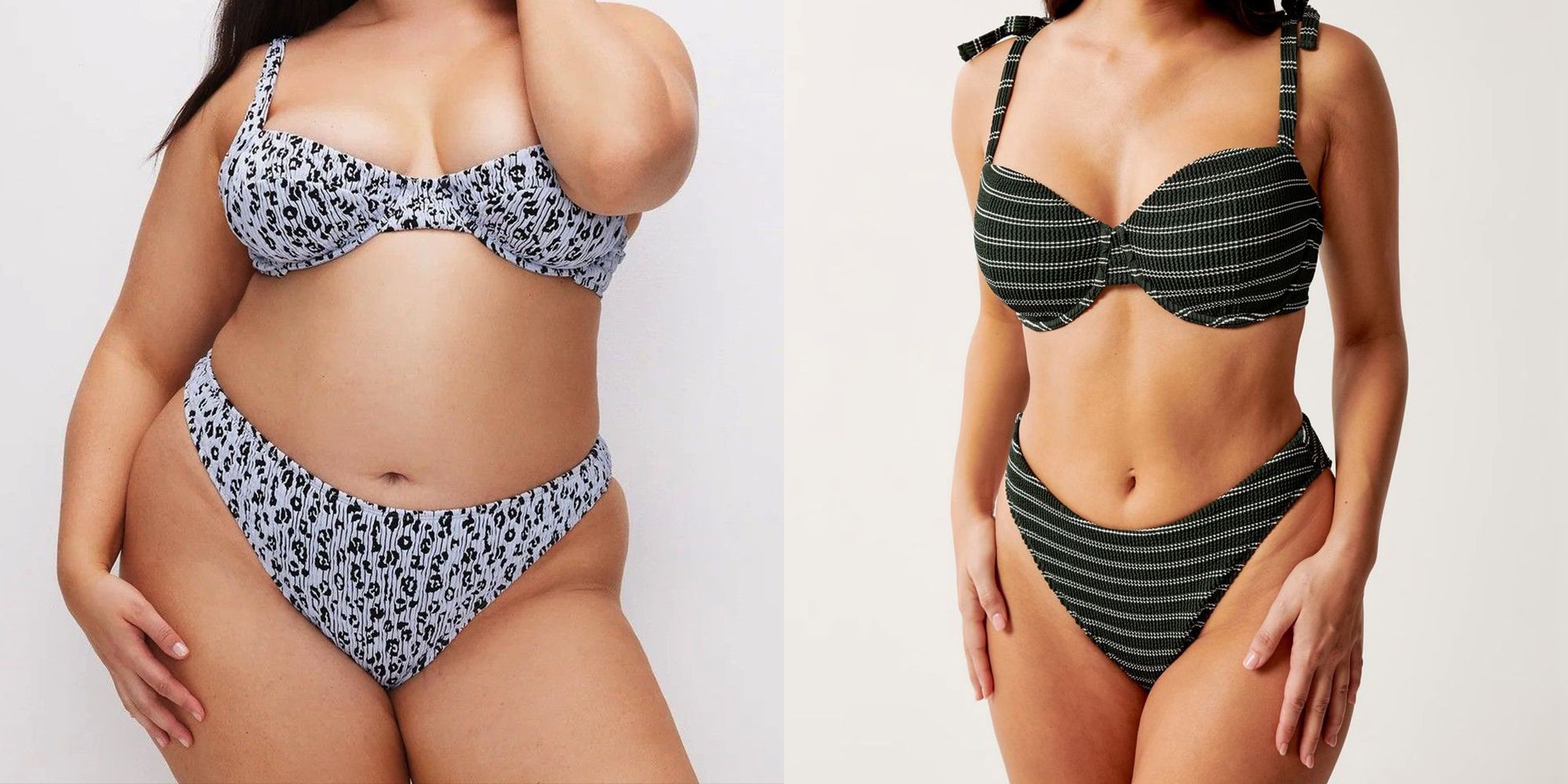
# The Most Supportive Underwire Swimsuits That Don't Sacrifice Style
Cosmopolitan highlights the growing category of underwire swimsuits that deliver both support and aesthetic appeal, a shift away from the minimalist swim trends that dominated the past decade. The category bridges functional intimates with resort wear, offering structured silhouettes without compromising on design.
Underwire swimsuits have evolved beyond basic utility. Brands now engineer bust support through technical fabrics and strategic boning while maintaining contemporary cuts, bold colorways, and fashion-forward details. This represents a broader industry recognition that comfort and confidence drive purchase decisions.
The underwire swim market reflects larger consumer trends toward body-positive fashion and functional luxury. Women increasingly reject false choices between support and style. High-street retailers and premium brands respond by developing swim pieces that flatter diverse body types while delivering technical performance. Brands like Fantasie, Freya, and Panache have expanded swim collections with structured options that rival fashion labels.
This category also signals shifting attitudes toward one-piece swimsuits and coverage as luxury rather than compromise. Structured swim silhouettes often feature architectural details, luxe fabrics, and investment pricing that elevates them beyond seasonal basics. The trend appeals to consumers aged 25 to 55 who prioritize comfort during resort weeks and beach vacations.
Retailers recognize the profit potential. Swimwear with technical components commands higher margins than simple styles. Department stores and specialty retailers dedicate shelf space to structured options, while direct-to-consumer brands build customer loyalty through specialized fit guides and customization. The category attracts consumers willing to spend premium prices for swimwear that performs.
The underwire swim movement also reflects changing design aesthetics. Retro-inspired cuts, sculptural necklines, and pattern work signal that structured swimwear codes as fashion rather than correction. This