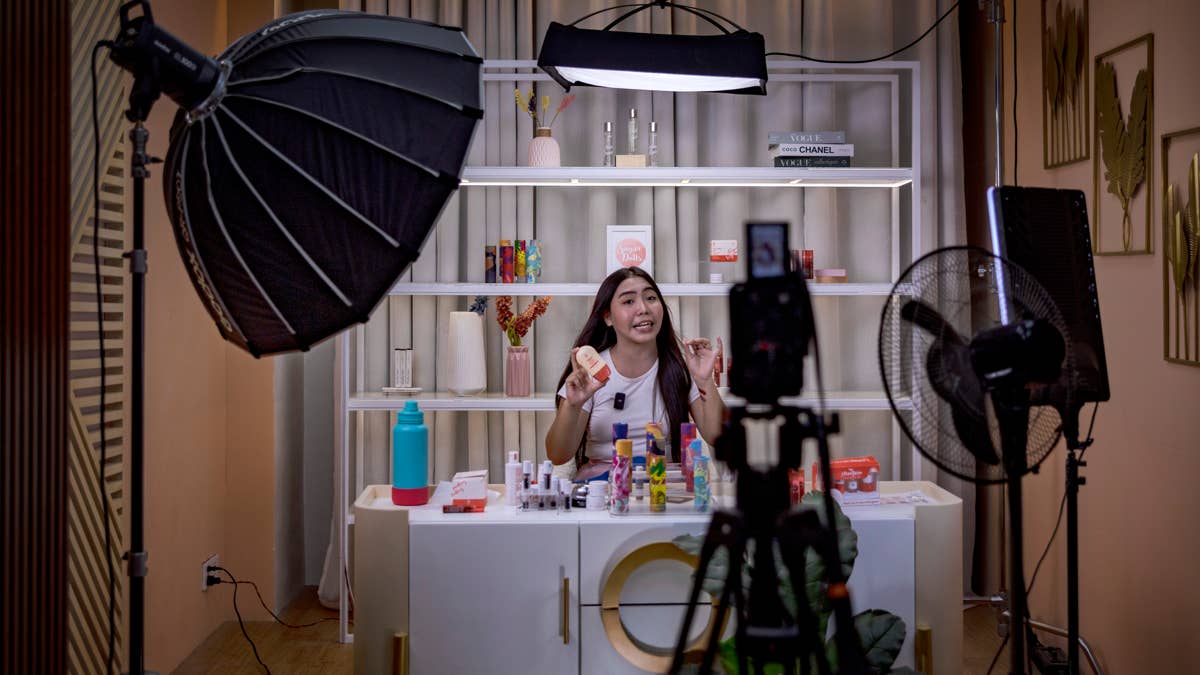
Small beauty brands are carving out space on TikTok Shop by leaning into what they do best: direct connection with customers. Major conglomerates dominate advertising budgets, but indie labels compete through authenticity, consistent broadcasting schedules, and founders willing to host livestreams themselves.
Live selling demands constant presence. Brands like Tower 28 and Rare Beauty built followings through relentless engagement, but smaller players lack their resources. Instead, indie founders stream multiple times weekly, answering questions in real time and building parasocial relationships that big beauty can't replicate at scale. The labor is punishing. A single founder managing inventory, production, customer service, and three nightly livestreams burns out fast. Yet this friction creates trust.
Community becomes the moat. Small brands cultivate loyal Discord servers, Discord groups, and email lists where customers feel seen. They offer exclusive drops during streams, create inside jokes, and remember repeat buyers by name. TikTok Shop's algorithm favors watch time and engagement rate over production value, rewarding scrappy authenticity over slick production.
Consistency matters more than flash. Brands that stream at the same time nightly build habits. Followers plan their evening around a 9 p.m. livestream from their favorite indie label. This predictability costs nothing but discipline. Founders sacrifice sleep and social lives to maintain schedules that platforms reward.
The sustainability question lingers. Burnout is real. Some indie brands hire part-time hosts to share the load, but this cuts already-thin margins. Others scale out of live selling entirely once they reach critical mass. The model works as a growth engine for emerging brands, not a permanent business structure.
What separates winners from burnouts is embracing the human cost. Brands that treat livestreaming as a long-term channel, not a sprint, invest in