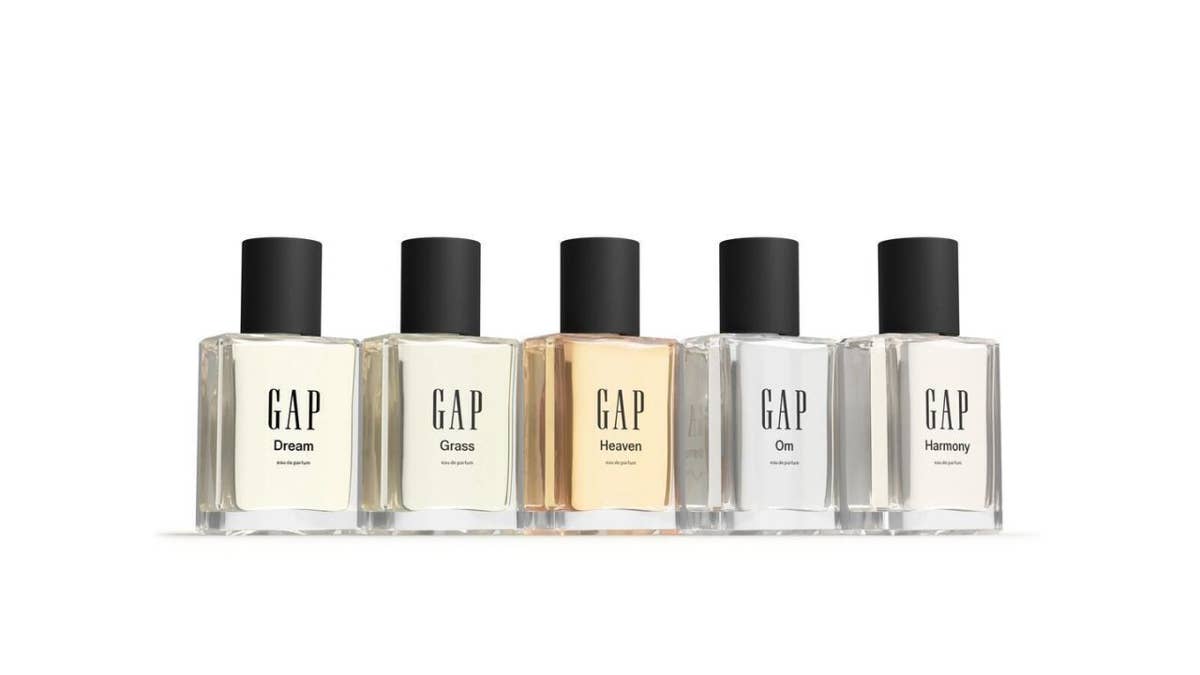
Gap Beauty launches a fragrance revival, reintroducing five eau de parfum scents designed for contemporary consumers. The collection marks the brand's return to beauty after years away from the fragrance market, positioning itself as an accessible luxury player targeting lifestyle-conscious shoppers.
The five scents span different emotional territories, each crafted to address specific moods and occasions. This mood-based segmentation reflects current fragrance marketing strategy, where brands move away from traditional gender categorization toward personal emotional expression. Gap joins a broader industry trend where established fashion houses leverage their heritage and brand DNA to enter or re-enter the beauty market.
Gap's fragrance legacy dates back decades, making this relaunch a nostalgia play for millennial and Gen X consumers while introducing the brand to younger demographics. The revival capitalizes on growing consumer appetite for accessible prestige fragrances priced between mass-market and luxury tiers.
The timing aligns with fragrance market expansion. Social media, particularly TikTok, has reignited fragrance discovery and community building around scent. Beauty consumers increasingly seek multi-sensory brand experiences beyond apparel and accessories. Gap Beauty's fragrance entry positions the company to capture wallet share from customers already invested in its clothing lines.
The eau de parfum format signals quality positioning. Higher fragrance concentration delivers longevity and projection, differentiating these from eau de toilette alternatives. Gap's choice here suggests premium positioning without ultra-luxury price points.
This move reflects broader retail strategy. Fashion houses from Everlane to Banana Republic expand into adjacent beauty categories, recognizing that lifestyle brands thrive through ecosystem building. Gap Beauty's five-scent launch avoids oversaturation while offering enough variety to appeal to diverse consumer preferences.
The fragrance revival demonstrates Gap's evolution from clothing-only retailer to lifestyle brand. Success depends on distribution strategy, pricing, and whether