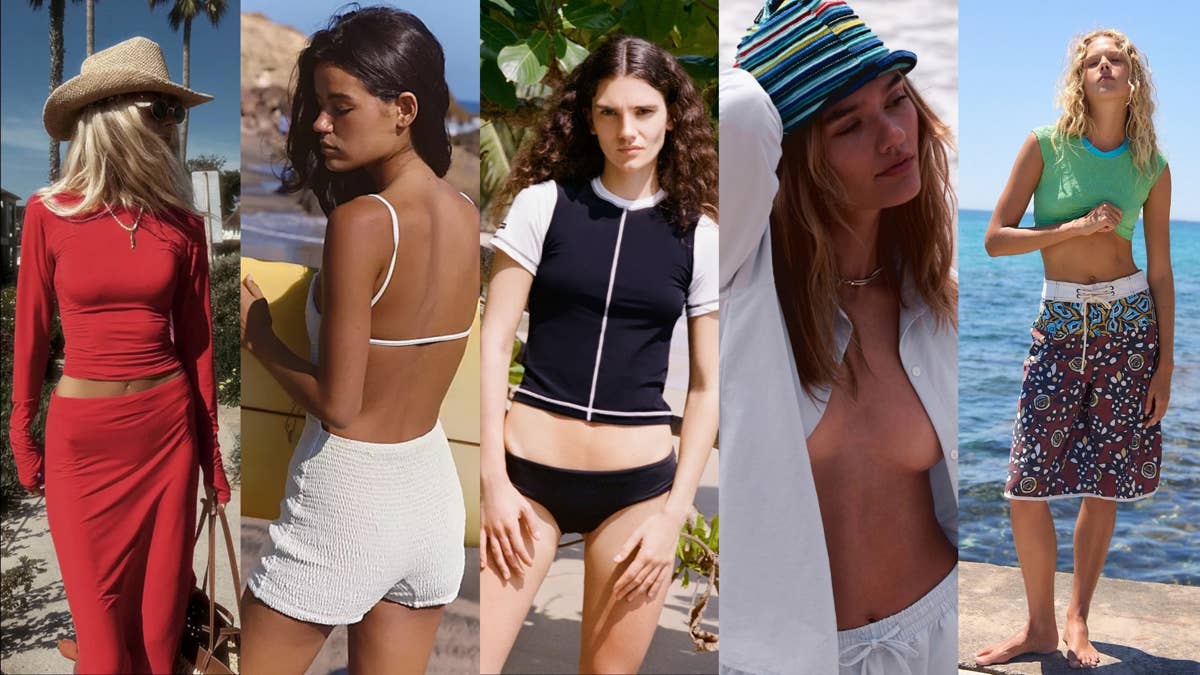
Sun-protective clothing has shed its utilitarian image. UPF fabric technology, once confined to basic athletic wear and beachwear, now anchors collections from luxury and contemporary brands that treat UV protection as a design feature rather than an afterthought.
The shift reflects broader consumer demand for garments that perform multiple roles. High-fashion labels now embed UPF fabrics into structured blazers, flowing dresses, and tailored separates that compete aesthetically with conventional pieces. Brands recognize that sun safety appeals to a demographic willing to invest in premium basics, particularly as dermatological concerns and outdoor living trends drive interest.
This evolution mirrors similar industry pivots. Like athleisure's rise transformed gym wear into everyday fashion, sun-protective apparel graduated from niche functionality to mainstream desirability. Designers discovered that advanced fabrics need not compromise silhouette, drape, or visual appeal. Technical textiles now deliver coverage without bulk, lightweight construction, and finishes that read as intentional rather than protective.
The aesthetic upgrade matters commercially. Consumers historically avoided sun-protective basics because they signaled compromise or sacrifice. Now brands position UPF garments as smart luxury, appealing to health-conscious consumers, outdoor enthusiasts, and those seeking versatile pieces that work across seasons and climates.
Manufacturing innovation supports the shift. Contemporary mills produce UPF fabrics that feel luxurious, breathe effectively, and maintain color and texture. Some brands layer protection invisibly. Others highlight technical elements as design statements, treating UV-blocking as part of the garment's visual narrative rather than hidden engineering.
The trend accelerates as climate awareness and skin health consciousness reshape shopping priorities. Sun-protective clothing transitions from niche category to essential wardrobe component. What began as function-first design now commands aesthetic credibility alongside performance benefits, proving that protection and style operate as complementary forces rather than