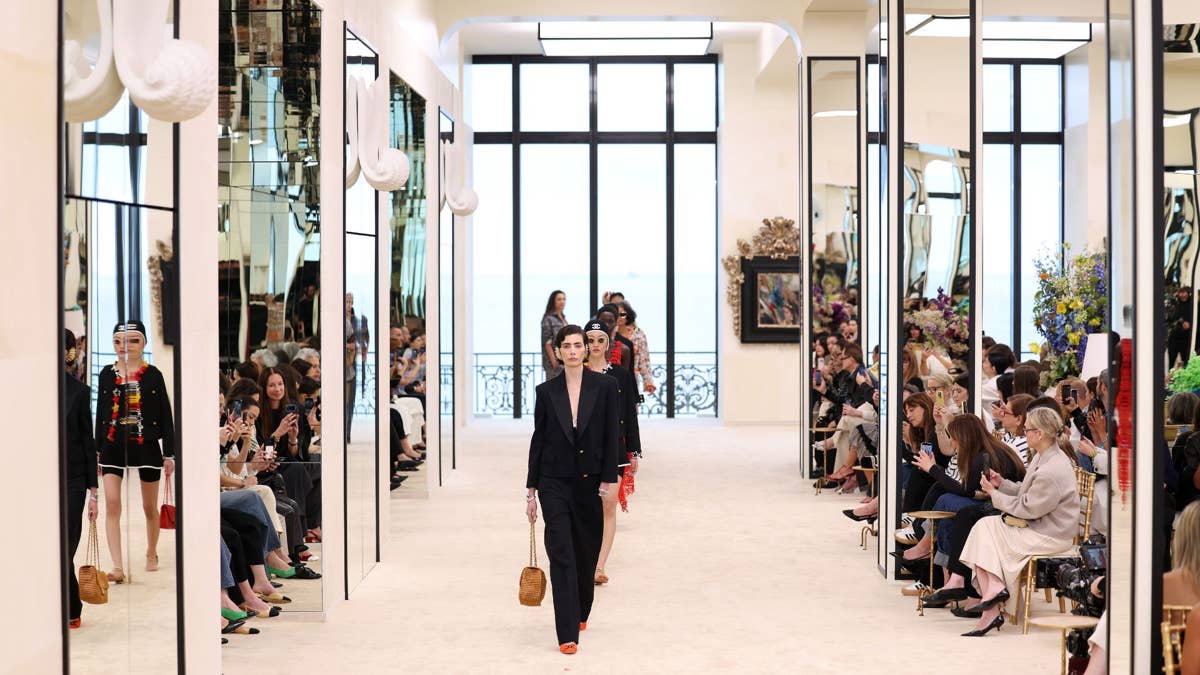
The Big 4 fashion capitals have locked in their spring 2027 schedules. New York, London, Milan, and Paris released their September 2026 calendar dates, confirming the traditional fashion month rhythm that dictates the industry's pace for the next calendar year.
This staggered schedule remains the backbone of how designers present collections to buyers, press, and consumers. New York typically leads the week, followed by London's provocative presentations, Milan's luxury powerhouses, and Paris' haute couture and ready-to-wear finale. The calendar's consistency allows fashion editors, influencers, and industry professionals to plan their runway coverage months in advance.
Spring 2027 will follow the established pattern that has governed fashion weeks since the system formalized decades ago. These dates matter beyond the shows themselves. They determine when retailers receive collections, when buyers place orders, and when fashion media shapes the narrative around emerging trends. The September shows present spring collections because the industry operates roughly six months ahead of consumer retail calendars.
The Big 4 structure continues to dominate despite pressure from digital presentations and independent fashion weeks challenging the traditional model. Designers like Virgil Abloh's estate brand and emerging names increasingly use the official calendars as anchors while experimenting with digital drops and presentation formats outside the official schedule.
Fashion month's September timing positions spring 2027 collections to hit retail floors in late 2026 and early 2027, aligning with consumer shopping patterns. The calendar releases signal designers to finalize designs, confirm venue bookings, and prepare their show narratives. Smaller fashion weeks in cities like Copenhagen, Berlin, and Seoul operate around the Big 4 framework, allowing emerging designers platforms without competing directly against the established powerhouses.
The continued commitment to traditional fashion week schedules underscores how despite industry disruption and direct-to-consumer strategies, the ceremonial presentation