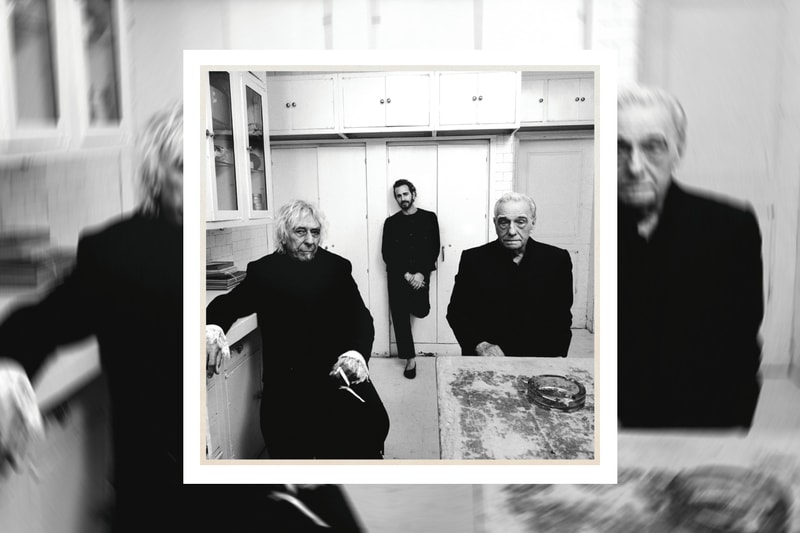
Charli xcx pivots hard on "Music, Fashion, Film," trading the hedonistic maximalism of her brat era for guitar-soaked introspection and conceptual depth. The 11-track record deconstructs fame and consumer culture through a rock-grunge lens, positioning itself as both manifesto and pop critique.
Standout tracks like "SS26" and "Card Declined" dissect identity, excess, and the persona performance inherent to celebrity. The sonic palette shifts dramatically from brat's dance-floor euphoria. Jagged guitars drive "Rock Music," while "Camera" channels glittering, distortion-laden riffs that feel confessional rather than celebratory. This represents a deliberate genre pivot, one that acknowledges the burnout beneath brat's glossy surface.
The album's conceptual backbone examines consumerism and the commodification of self. Charli tackles how fashion, music, and film industries demand constant reinvention, constant consumption, constant visibility. She doesn't shy from the exhaustion embedded in that treadmill. The closing monologue from David Cronenberg anchors the project's intellectual ambitions, signaling intent beyond traditional pop album structure.
"Music, Fashion, Film" signals that Charli xcx isn't content recycling the brat moment into something stale. Instead, she's interrogating what that moment cost her creatively and personally. The rock instrumentation creates distance from dance-floor escapism, replacing it with textures that feel more raw, more vulnerable.
For the broader pop landscape, this represents a meaningful counterpoint to maximalist streaming culture. At a moment when artists face relentless pressure to maintain viral momentum, Charli pulls back and examines the machinery itself. The album doesn't reject pop but questions its mechanisms, its hunger, its waste.
This positions her