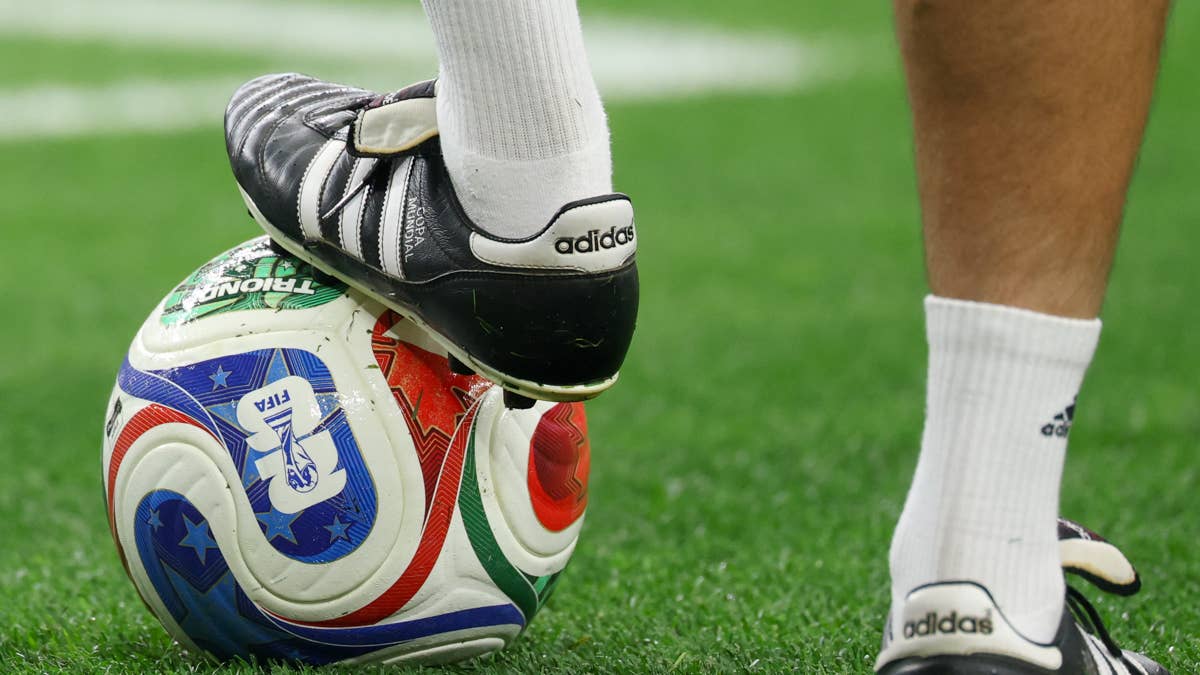
FIFA's 2024 World Cup delivered unexpected fashion winners beyond the field. Brands leveraged the tournament's global reach to build cultural momentum, with strategic partnerships and ambassador placements reshaping how luxury and accessible labels compete for sports-adjacent relevance.
Kate Spade New York strengthened its leadership structure by appointing a new Chief Marketing Officer, signaling the brand's commitment to revitalizing its position in the competitive accessible luxury market. The move comes as the Coach parent company (Tapestry Inc.) continues refining its portfolio strategy across heritage and contemporary labels.
Sustainability startups captured investor appetite for innovation. Syntetica, a recycling-focused technology firm, closed a Series A funding round valued at $30 million. The company's circular fashion approach addresses mounting pressure on brands to demonstrate environmental responsibility beyond surface-level commitments. This capital injection reflects growing confidence in scalable recycling infrastructure as essential to future supply chains.
These developments signal three industry shifts. First, sporting events function as global brand platforms where cultural cachet beats traditional advertising spend. Second, heritage brands face pressure to modernize leadership and marketing approaches to retain relevance with younger consumers who value authenticity over legacy positioning. Third, venture capital increasingly backs infrastructure solving fashion's waste problem, suggesting recycling technology transitions from niche concern to foundational business model.
The convergence reveals an industry in flux. Brands winning World Cup attention shared agility, authentic storytelling, and willingness to embed themselves in cultural moments. Meanwhile, Syntetica's funding validates what investors now accept: circular fashion represents competitive advantage, not just ethical positioning.