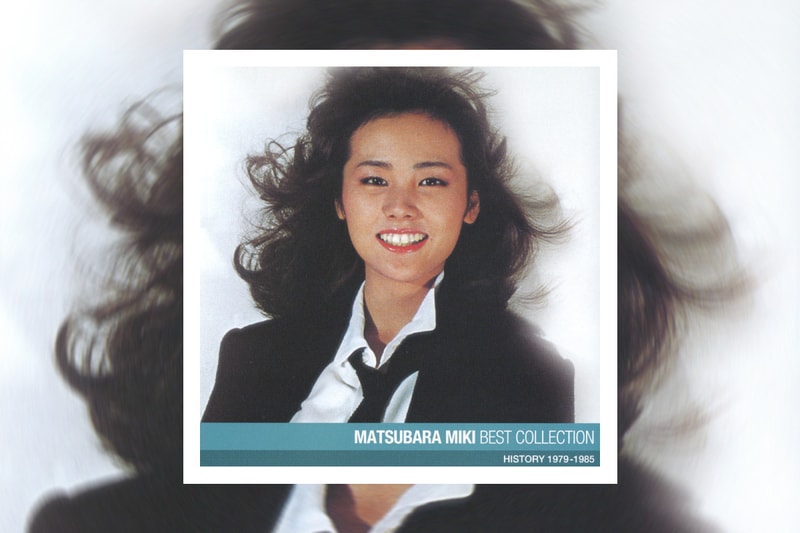
Miki Matsubara's 1979 debut single "Mayonaka no Door~Stay With Me" has crossed 500 million streams on Spotify, marking the first 20th-century Japanese track to reach this threshold. The city pop standard now ranks among the platform's most-streamed catalog tracks, a remarkable feat for a song released nearly five decades ago.
The surge stems directly from city pop's explosive global revival. What was once a niche Japanese genre confined to domestic audiences has exploded into mainstream consciousness, driven by streaming platforms, lo-fi hip-hop producers sampling vintage Japanese records, and viral TikTok trends. Matsubara's silky vocals and the track's sophisticated production feel contemporary despite its vintage origins, appealing to Gen Z listeners discovering the sound for the first time alongside longtime devotees.
The revival carries real economic weight. Matsubara's estate continues fielding soundtrack placement offers, and the artist's back catalog commands renewed licensing interest from filmmakers and television producers worldwide. The stream count translates into royalty revenue that benefits her legacy decades after her 1999 death, demonstrating how streaming algorithms can resurrect forgotten artists.
City pop itself sits at an inflection point. While mainstream fashion and design have embraced retro-futurism for years, the genre's moment reflects deeper cultural appetite for analog aesthetics and pre-digital production values. Brands increasingly reference city pop's visual language. The 1970s and 1980s Japanese aesthetic now influences everything from streetwear collections to luxury brand campaigns.
Matsubara's milestone matters beyond streaming metrics. She represents a cohort of Japanese female artists whose work was undervalued internationally until the internet democratized music discovery. The 500 million figure validates what collectors and crate diggers knew all along. City pop endures because it captures a specific moment, a specific place,