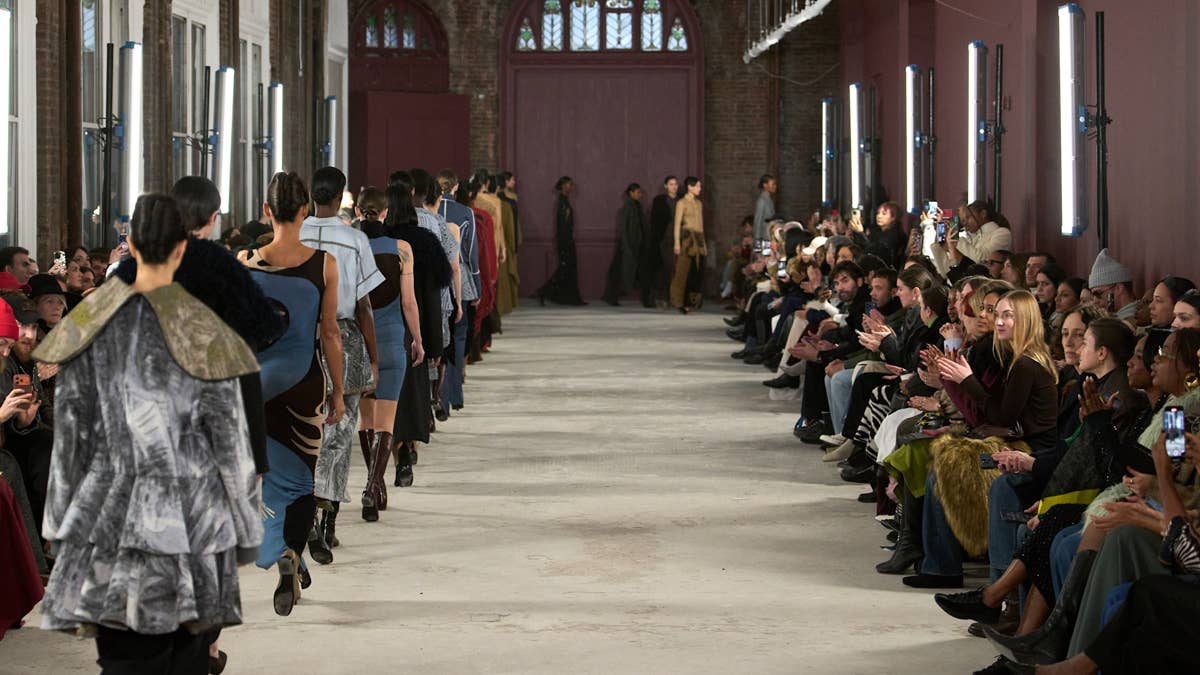
Fashion industry workers are reaching a breaking point. The quote encapsulates what insiders across design, production, and merchandising openly acknowledge: the sector's relentless pace, chronic understaffing, and exploitative conditions have become untenable.
The burnout epidemic stems from structural problems. Fashion's seasonal calendar demands constant creativity under impossible deadlines. Teams operate skeleton-crew mode across design houses, retail operations, and supply chain management. A single designer often shoulders responsibilities that once belonged to three people. The pressure compounds when brands chase trend cycles faster than ever, amplifying the workload without adding headcount or compensation.
Discrimination persists throughout the industry. Women designers fight for equal pay and leadership roles. Designers of color report being pigeonholed into specific aesthetic categories. LGBTQ+ workers navigate hostile environments in conservative corporate offices. Harassment remains normalized in studios and showrooms where power imbalances favor senior figures.
The disposability culture that built modern fashion now repels the people creating it. Young designers reject the fast-fashion model's ethics. They recognize the contradiction between their artistic ambitions and being forced to pump out cheap, short-lived pieces designed for landfill. The cognitive dissonance drives talented creatives out of the industry entirely.
This exodus matters. Fashion loses institutional knowledge, diverse perspectives, and fresh talent to burnout. Brands that don't address these systemic issues will struggle to retain staff. The cost of constant turnover, training new hires, and losing experienced leaders outweighs any savings from lean staffing models.
Some companies begin experimenting with four-day work weeks and hiring additional positions. Others remain stuck in extraction mode. The divide between forward-thinking houses and those clinging to old dynamics will widen. Fashion's future workforce will choose employers that respect their wellbeing.
The insider critique signals an industry reckoning. Workers are no longer willing