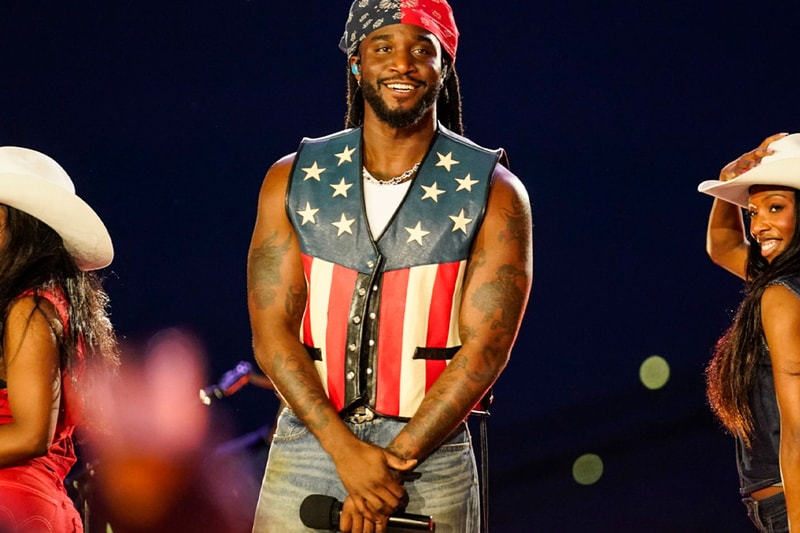
Grammy-nominated musician Shaboozey ventures into graphic storytelling with his debut comic book series, The Outlaw Cherie Lee, launching at San Diego Comic-Con 2026. The partnership with Range Comics marks Shaboozey's first foray into the medium, positioning the series as an expansion of his broader music universe narrative.
Comic-Con attendees gain exclusive first access to purchase copies before the nationwide retail rollout begins. This strategy leverages the convention's passionate collector base to build momentum around the launch while capitalizing on the intersection of music fandom and comic culture.
The move reflects a broader trend of musicians diversifying into visual storytelling formats. Artists increasingly recognize that graphic novels and comic books offer distinct creative canvases for world-building beyond albums and tour performances. Shaboozey joins a growing roster of recording artists exploring sequential art as a complementary medium.
Range Comics' involvement signals industry confidence in the project's commercial viability. The publisher specializes in artist collaborations, positioning itself at the nexus of music and comics. By hosting the debut at Comic-Con rather than a music festival or album launch event, Shaboozey targets a demographic that values transmedia narratives and collectible merchandise.
The Outlaw Cherie Lee creates potential for merchandising opportunities, potential film or television adaptations, and expanded universe content across multiple platforms. This multi-platform approach has become standard for entertainment properties seeking sustained audience engagement.
For Shaboozey, the move diversifies his creative portfolio beyond music production and performance. As artists face evolving streaming economics and competition for attention spans, branching into comics offers both artistic expression and alternative revenue streams. The exclusive Comic-Con availability also generates the scarcity and urgency that drives collector demand.
This launch underscores how contemporary artists view themselves as brand builders rather than single-medium creators, leveraging convention spaces and