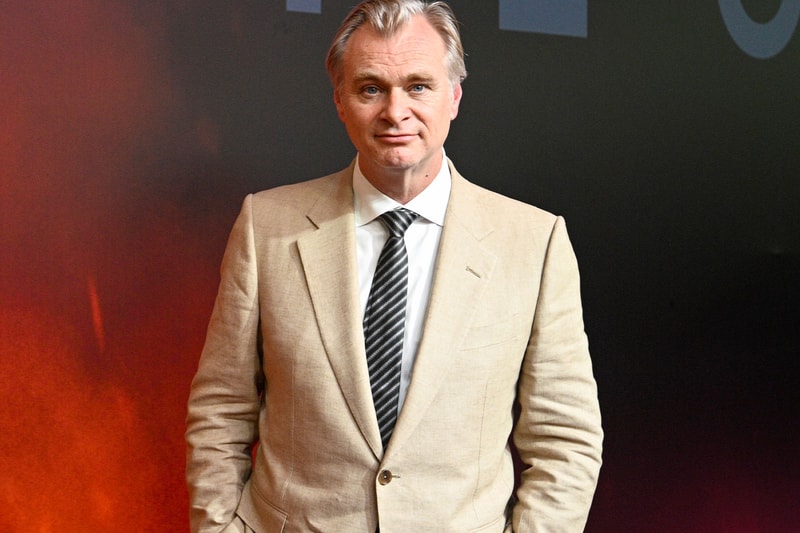
Christopher Nolan announced a three-year hiatus after completing "The Odyssey," his latest directorial venture. The filmmaker disclosed that physical and mental exhaustion drove this decision, with production pushing him to his absolute limits.
"The Odyssey" marks a technical milestone as the first feature ever shot entirely on IMAX 70mm film. This achievement demanded grueling practical effects work and remote location shooting that taxed Nolan's endurance throughout the shoot. The director's commitment to shooting on premium large-format film rather than digital cameras represents a bold stance in an industry increasingly favoring streaming-compatible formats.
Nolan's three-year pause reflects broader industry conversations about filmmaker burnout and the toll of prestige filmmaking. His previous projects, including "Oppenheimer" and "Interstellar," similarly demanded extensive location work and practical cinematography. The director's insistence on shooting film in an era when most peers have shifted to digital technology compounds the physical demands of production.
The hiatus signals a shift in how major auteurs balance artistic ambition with personal sustainability. Nolan joins other heavyweight directors who've taken extended breaks between projects, though his explicit framing of exhaustion as a factor differs from typical studio scheduling announcements. His transparency about creative fatigue carries weight in an industry often characterized by relentless output pressure.
"The Odyssey" carries enormous expectations as both Nolan's most ambitious technical achievement and the first narrative feature shot in IMAX 70mm. The decision to pursue this format despite its rarity, cost, and production complexity underscores Nolan's unwavering commitment to theatrical cinema and practical filmmaking at a moment when the format faces existential questions.
This announcement also protects Nolan's leverage within the industry. His three-year absence will build anticipation for his eventual return while establishing clearer boundaries around his creative output